Institutional Backing Surges: TON Secures Over $400 Million to Supercharge Telegram’s Web3 Ecosystem
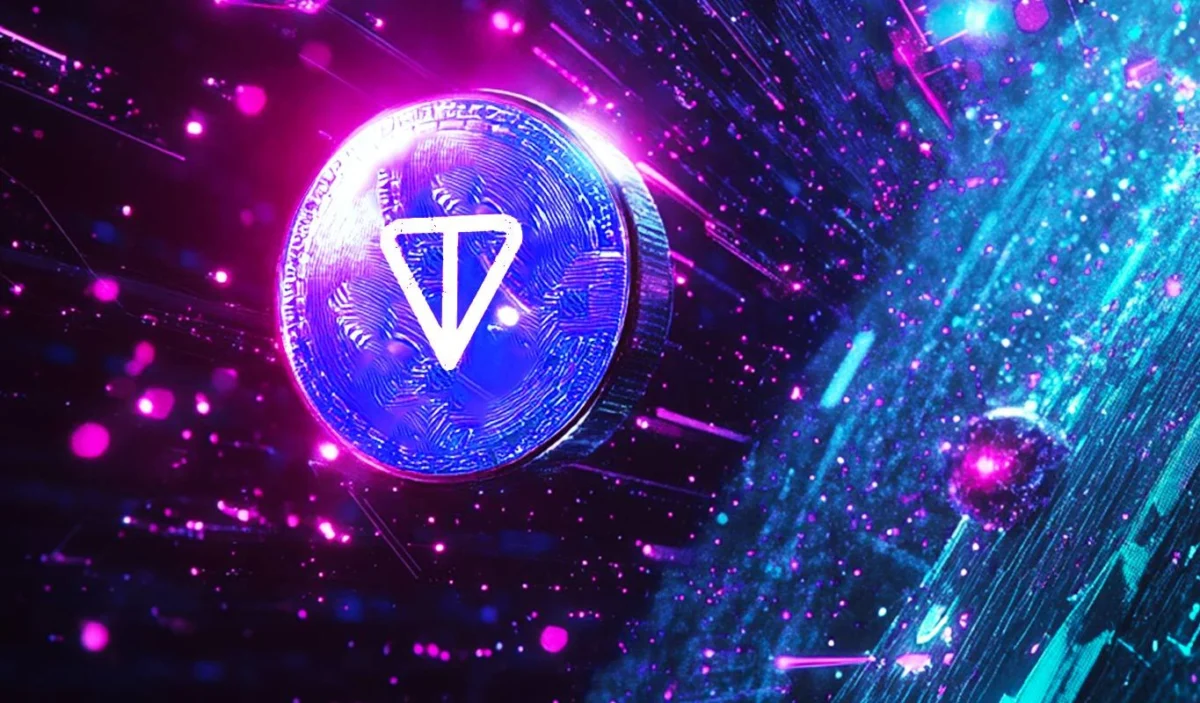
The landscape of decentralized finance and blockchain-based consumer applications has witnessed a seismic shift. The Open Network (TON) Foundation, the governing body behind the layer-1 blockchain Toncoin, recently announced that it has successfully secured over $400 million in investments from a coalition of high-profile venture capital firms. This massive capital injection marks a significant milestone for the project, signaling a growing institutional appetite for blockchain networks that can effectively bridge the gap between complex decentralized technology and mass-market consumer utility.
The list of participating investors reads like a "who’s who" of Silicon Valley and crypto-native venture capital. Among the entities backing the project are Sequoia Capital, Ribbit Capital, Benchmark, Kingsway, Vy Capital, Draper Associates, Libertus Capital, CoinFund, Hypersphere, SkyBridge, and Karatage. This infusion of capital is expected to accelerate the development of the TON ecosystem, further cementing its position as a primary infrastructure layer for the next generation of decentralized applications.
A Turbulent Origin Story: From Telegram to Independence
To understand the magnitude of this investment, one must first appreciate the complex history of the Toncoin network. Originally conceived by the encrypted messaging giant Telegram under the name "Telegram Open Network," the project was envisioned as a blockchain integrated directly into the messaging platform to facilitate seamless transactions for its global user base.
However, the project faced a major roadblock in 2020. Following a high-stakes legal battle with the U.S. Securities and Exchange Commission (SEC), which argued that the project’s initial token offering constituted an unregistered securities sale, Telegram was forced to abandon the project. In a move that surprised many observers, the company parted ways with the technology, effectively halting its development under the Telegram brand.
Rather than allowing the sophisticated code to wither, an open-source community of developers—now operating under the banner of The Open Network Foundation—stepped in to carry the torch. By rebranding the technology as "The Open Network," these developers preserved the core architecture while decentralizing the governance structure, effectively insulating the project from the specific regulatory pressures that had hampered its predecessor.
The Synergy of Scale: Telegram and the TON Blockchain
The primary value proposition of the TON blockchain today is its unique, albeit unofficial, symbiotic relationship with Telegram’s massive user base. With over 1 billion monthly active users, Telegram provides a distribution network for decentralized applications (dApps) that is arguably unmatched in the crypto industry.
Unlike other blockchain projects that struggle to find "product-market fit" or attract users beyond the crypto-enthusiast bubble, TON is integrated into an interface that users are already familiar with. Users can send Toncoin (TON) directly within the messaging app without the friction of navigating long, complex alphanumeric wallet addresses. This "crypto-as-a-service" approach removes a major barrier to entry for mainstream adoption.
In January of this year, this synergy was solidified when TON was officially designated as the "exclusive blockchain" for Telegram’s burgeoning Mini Apps Ecosystem. This development allows developers to build games, financial tools, and decentralized social applications that live inside Telegram, utilizing TON as the underlying settlement layer.
Institutional Perspectives: Why Sequoia and Others are Betting Big
The involvement of blue-chip venture firms like Sequoia Capital suggests that institutional investors are looking beyond the volatile price action of the crypto market and focusing on infrastructure that possesses inherent "network effects."
Shaun Maguire, a partner at Sequoia Capital, articulated the firm’s rationale during the announcement. "The TON team is the best in the world at the intersection of consumer product thinking and crypto infrastructure," Maguire noted. This statement highlights a shift in venture capital strategy; investors are no longer just looking for groundbreaking consensus mechanisms or high transaction-per-second (TPS) counts—they are looking for platforms that can deliver consumer-facing products at a global scale.
For firms like Benchmark and Draper Associates, the investment is a bet on the "Super App" thesis. By combining social interaction with financial services, the TON-Telegram ecosystem is mirroring the success of platforms like WeChat in China, but with the added benefit of decentralization, transparency, and global accessibility.
Analyzing the Economic and Technical Implications
The influx of $400 million is not merely a vote of confidence; it is a catalyst for technical and economic expansion. The TON Foundation has indicated that these funds will be deployed toward several strategic pillars:
- Scaling Infrastructure: Enhancing the network’s capacity to handle the increased load of millions of concurrent users interacting with Mini Apps.
- Developer Grants: Incentivizing the creation of high-quality dApps to populate the ecosystem, ensuring that users have a diverse range of services—from decentralized exchanges to gaming and social media—at their fingertips.
- Regulatory Compliance and Security: Investing in robust auditing and legal infrastructure to ensure that the project remains resilient against the evolving global regulatory landscape, particularly in the wake of the SEC challenges that defined its early years.
- User Acquisition: Developing marketing and educational initiatives to introduce the hundreds of millions of Telegram users to the benefits of self-custody and blockchain-based finance.
Market Positioning and Future Outlook
As of the current writing, Toncoin (TON) is trading at approximately $3.61. While the market has seen a recent 2% dip in the last 24 hours, the long-term outlook remains tethered to the project’s adoption rate. As the 14th-ranked crypto asset by market capitalization, TON is already a heavyweight, but its true potential lies in its ability to convert Telegram’s user base into active participants in the Web3 economy.
The success of TON will likely be measured by how many of those 1 billion users actually engage with the Mini Apps. If the foundation can successfully onboard even 10% of that user base into the blockchain ecosystem, it would represent one of the largest migrations of users into decentralized finance in history.
Risks and Challenges Ahead
Despite the massive funding and technical promise, the project is not without its risks. The association with Telegram remains both its greatest strength and a potential vulnerability. If regulatory authorities were to shift their focus toward Telegram’s integration with blockchain technology, the project could face renewed scrutiny.
Furthermore, competition is fierce. Other layer-1 blockchains, such as Solana, Ethereum (via Layer-2 solutions), and Sui, are all competing for the same developer talent and user liquidity. TON’s success depends on its ability to maintain its unique competitive advantage—its ease of use within the Telegram interface—while simultaneously proving that it is a secure, decentralized, and performant blockchain.
Conclusion: A New Era for Consumer Crypto
The $400 million investment into TON represents a maturation of the cryptocurrency sector. It moves the conversation away from speculative trading and toward the tangible application of blockchain technology in everyday life. By successfully aligning institutional capital with a platform that has legitimate mass-market reach, the TON Foundation is positioning itself as a leader in the race to bring the next billion users into the decentralized web.
While the market will always be subject to volatility, the fundamental development of the TON ecosystem suggests that the "infrastructure layer" of the internet is shifting. Whether this results in a decentralized future for social and financial interactions remains to be seen, but with the backing of the world’s most prominent venture capitalists, the trajectory of the Toncoin project is one that every market observer should be monitoring closely.
Disclaimer: The information provided in this article is for informational purposes only and does not constitute financial, investment, or legal advice. Cryptocurrency investments are subject to high market volatility and risks. Readers are encouraged to conduct their own due diligence and consult with a professional financial advisor before making any investment decisions. The Daily Hodl does not recommend the buying or selling of any digital assets.