The RWA Reality Check: Why Bitget Wallet Canceled Tokenized SpaceX Share Allocations
The promise of Real-World Asset (RWA) tokenization has long been hailed as one of the most transformative narratives in the digital asset space. By bridging the gap between legacy financial markets and decentralized ledgers, RWA products aim to democratize access to previously walled-off investment opportunities. However, this bridge is only as strong as its off-chain foundations.
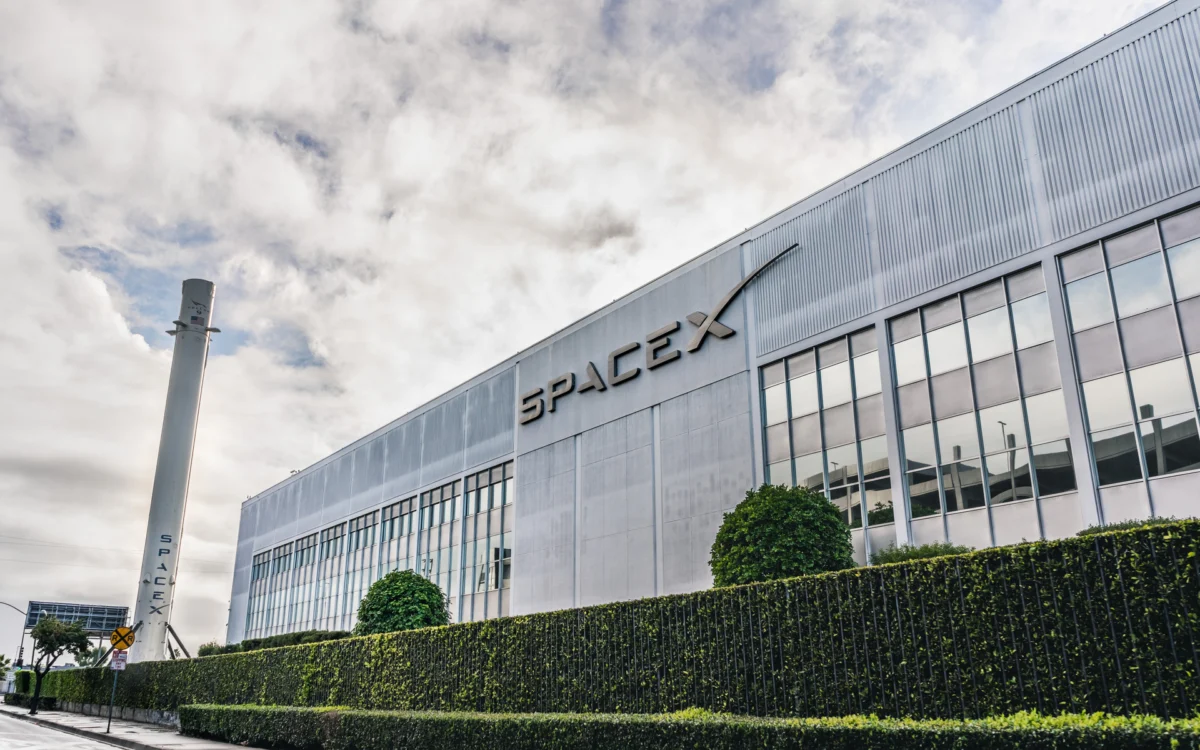
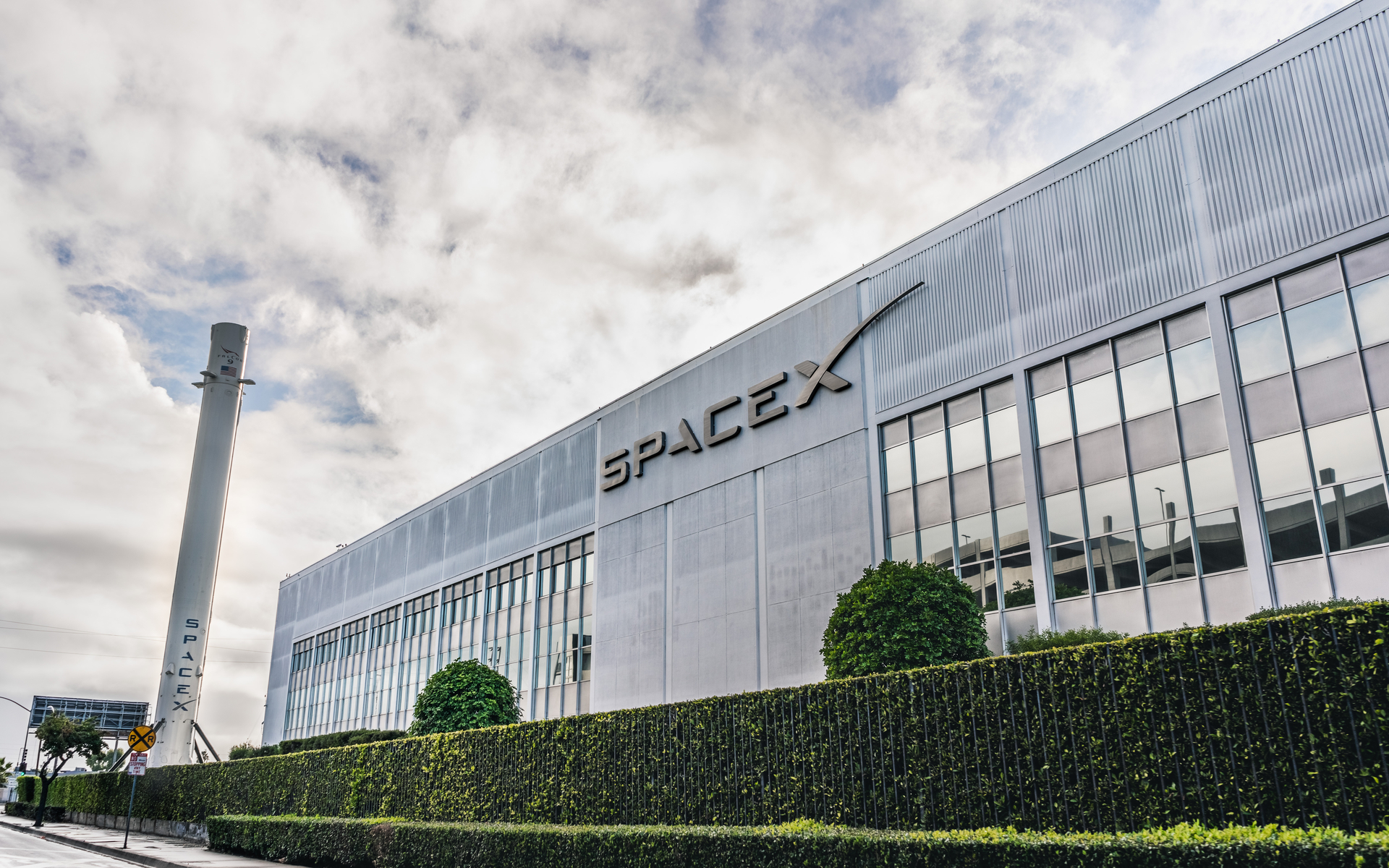
A stark reminder of this operational vulnerability occurred recently when Bitget Wallet announced the cancellation of its tokenized SpaceX share allocations (under the ticker SPCXx). The cancellation, triggered by a supply shortage from third-party broker xStocks, highlights a critical bottleneck in the RWA sector: when the physical or off-chain supply of an asset dries up, the digital wrapper cannot conjure liquidity out of thin air.
This incident serves as a crucial case study for traders, platforms, and builders. It exposes the structural, legal, and counterparty risks inherent in offering synthetic or tokenized exposure to private, highly restricted equity markets.
1. Main Facts of the Incident
According to an official system announcement released by Bitget Wallet on X (formerly Twitter), the platform has officially canceled all pending allocations for its SPCXx tokenized product. The SPCXx asset was designed to give crypto traders fractionalized, pre-IPO-style exposure to SpaceX, the private aerospace giant led by Elon Musk.
The core facts of the disruption include:
- The Source of the Failure: The cancellation was not caused by any internal technical failure within Bitget Wallet, nor was it triggered by any direct action or regulatory filing from SpaceX. Instead, the failure lies with xStocks, a third-party broker responsible for securing and delivering the underlying pre-IPO share allocations.
- The Cause: xStocks experienced a critical supply shortage, failing to deliver the promised private share allocations required to back the tokenized SPCXx assets on-chain.
- The Remedy: Bitget Wallet has confirmed that all affected users will receive full refunds of their committed funds. The platform is actively working to reverse transactions and restore capital to user balances.
- The Scope: While Bitget Wallet is the first major platform to issue an official cancellation notice for this specific batch, the supply failure from a major intermediary like xStocks raises immediate questions about whether other crypto platforms offering similar pre-IPO exposures will face identical shortages.
2. Chronology of Events
To understand how this supply failure occurred, it is necessary to trace the lifecycle of pre-IPO tokenization initiatives in the crypto ecosystem.
[Phase 1: RWA Expansion] ──> [Phase 2: Product Launch] ──> [Phase 3: Supply Crunch] ──> [Phase 4: Cancellation & Refunds]
Demand for private equity     Tokenized SpaceX (SPCXx)      Broker xStocks fails       Bitget Wallet halts product,
leads to synthetic wrappers.  launched via broker chains.   to deliver allocations.    initiates user refunds.
Phase 1: The Rise of Pre-IPO Tokenization
As the RWA narrative gained traction throughout 2023 and 2024, crypto platforms sought novel ways to attract retail capital. High-profile, private tech firms like SpaceX, OpenAI, and Anthropic became prime targets. Because these companies are private, retail investors cannot purchase their shares on public exchanges. Crypto projects attempted to fill this void by partnering with secondary-market brokers to tokenize pre-IPO shares.
Phase 2: Launch of the SPCXx Allocation
Platforms, including Bitget Wallet, integrated with specialized brokers like xStocks to offer tokenized representations of these private shares. Investors deposited stablecoins or other cryptocurrencies to secure an "allocation" of the upcoming tokenized asset, operating under the assumption that the broker had secured the corresponding physical equity or forward contracts.
Phase 3: The Intermediary Bottleneck
Behind the scenes, the transfer of private equity is highly restricted. SpaceX, for instance, maintains strict control over its cap table, frequently exercising its Right of First Refusal (ROFR) to block unapproved secondary market transfers. As demand for SpaceX exposure surged, the intermediary broker, xStocks, ran into a supply bottleneck, unable to legally or physically secure the volume of shares promised to the crypto platforms.
Phase 4: Systemic Cancellation
Upon realizing that the broker could not fulfill the allocation chain, Bitget Wallet acted to protect users by halting the SPCXx product. On February 2025, the wallet provider issued an official system notice confirming the cancellation of the allocations and outlining the refund protocol for affected accounts.
3. Supporting Data and Market Context
The cancellation of the SPCXx allocation comes at a time when the RWA sector is experiencing unprecedented growth, making this operational failure a highly visible stress test.
The Scale of the RWA Market
According to data from DeFiLlama and various web3 analytics platforms, the Total Value Locked (TVL) in tokenized real-world assets has surged past $8 billion, driven largely by tokenized U.S. Treasury bills (such as BlackRock’s BUIDL and Franklin Templeton’s FOBXX) and private credit protocols.
| RWA Category | Primary Backing | Regulatory Status | Operational Risk |
|---|---|---|---|
| Tokenized Treasuries | Highly liquid U.S. government debt | High compliance, institutional custodians | Low (Highly liquid underlying) |
| Private Credit | Corporate loans, real estate | Structured debt agreements | Medium (Default and liquidity risk) |
| Pre-IPO Equities | Private company shares (e.g., SpaceX) | Unofficial, gray-market synthetic wrappers | High (Transfer restrictions, broker default) |
While tokenized debt and treasuries benefit from deep, highly liquid underlying markets, tokenized private equities operate in a legal and operational gray area. Private companies are under no obligation to facilitate or recognize tokenized wrappers of their shares.
The Mechanics of Pre-IPO Tokenization
To offer tokenized SpaceX shares, a crypto platform typically relies on a multi-tiered custody chain:
- The Investor purchases a token representing a fraction of a share.
- The Crypto Platform issues the token and manages the smart contract.
- The Broker (e.g., xStocks) holds a forward contract or shares inside a Special Purpose Vehicle (SPV).
- The Target Company (e.g., SpaceX) holds the actual underlying equity.
If any link in this chain breaks—specifically between step 3 and step 4—the entire tokenized structure collapses. Because SpaceX has historically forbidden unauthorized secondary trading of its stock, brokers often struggle to execute these transfers, leading directly to the supply shortages observed in this case.
4. Official Responses and Platform Positions
The response to this cancellation has been defined by a clear effort to isolate the problem to the broker level and protect the reputation of the hosting platforms.
Bitget Wallet’s Official Stance
In its system announcement, Bitget Wallet emphasized its commitment to user security and transparency. The platform made it clear that the cancellation was a direct result of a supply failure on the part of xStocks. By promptly initiating refunds, Bitget Wallet sought to mitigate counterparty risk for its users, ensuring that retail capital was not locked up in an unfulfillable financial product.
The Silence of the Intermediaries
As of the time of writing, xStocks has not issued a comprehensive public disclosure detailing exactly why the SpaceX share allocations fell through. Similarly, other major exchanges and platforms that offer pre-IPO RWA products (such as Bybit or Binance) have not formally commented on whether their own supply chains have been compromised by the same broker-side shortages.
SpaceX’s Standing Policy
SpaceX has not issued any statement regarding the SPCXx cancellation, which is consistent with its historical approach. The aerospace firm has consistently maintained that it does not authorize, endorse, or participate in public tokenization schemes or unauthorized secondary market sales of its private stock.
5. Implications for the RWA Narrative and Crypto Infrastructure
This incident is a watershed moment for the RWA sector, exposing several structural vulnerabilities that must be addressed if tokenized equities are to achieve mainstream viability.
The Illusion of On-Chain Liquidity
The SPCXx cancellation proves that on-chain wrappers cannot bypass off-chain market realities. A smart contract can guarantee instant settlement, transparent ledger entries, and automated distribution, but it cannot force a legacy broker to deliver private shares that do not exist or cannot legally be transferred. The "on-chain access" is only as robust as the off-chain legal custody backing it.
Counterparty and Settlement Risk
In traditional finance, clearinghouses and strict regulatory frameworks mitigate the risk of a broker failing to deliver securities. In the relatively unregulated intersection of crypto and pre-IPO equities, these safeguards are largely absent. Had Bitget Wallet not acted swiftly to return user funds, investors could have been left holding worthless synthetic tokens backed by nothing more than an unfulfilled promise from a third-party broker.
Regulatory Implications
This event is likely to draw the attention of financial regulators, such as the U.S. Securities and Exchange Commission (SEC) and European watchdogs. Regulators have previously warned that tokenized representations of equities—especially private, unregistered securities—may violate securities laws if offered to retail investors without proper prospectuses or registration. A high-profile failure of a tokenized pre-IPO product could accelerate regulatory crackdowns on synthetic RWA platforms.
The Path Forward: Institutional-Grade SPVs
For the tokenization of private equities to mature, the industry must transition away from opaque broker arrangements and toward fully compliant, bankruptcy-remote Special Purpose Vehicles (SPVs). Future protocols must ensure that the underlying shares are legally secured, audited, and locked in custody before any public token sale or allocation occurs.
Conclusion: A Healthy Evolutionary Step
While the cancellation of the SpaceX SPCXx allocations is undoubtedly disappointing for retail traders seeking exposure to the aerospace giant, it represents a healthy and necessary stress test for the broader crypto ecosystem.
The incident highlights that the value of RWA does not lie in hype or speculative synthetic exposure, but in rigorous, secure, and compliant infrastructure. As the market moves forward, platforms that prioritize audited custody chains, legal transparency, and robust counterparty risk management will likely emerge as the true leaders of the tokenized financial future. For now, the SPCXx episode serves as a grounded reminder: in the world of web3, the code is only as good as the real-world assets backing it.