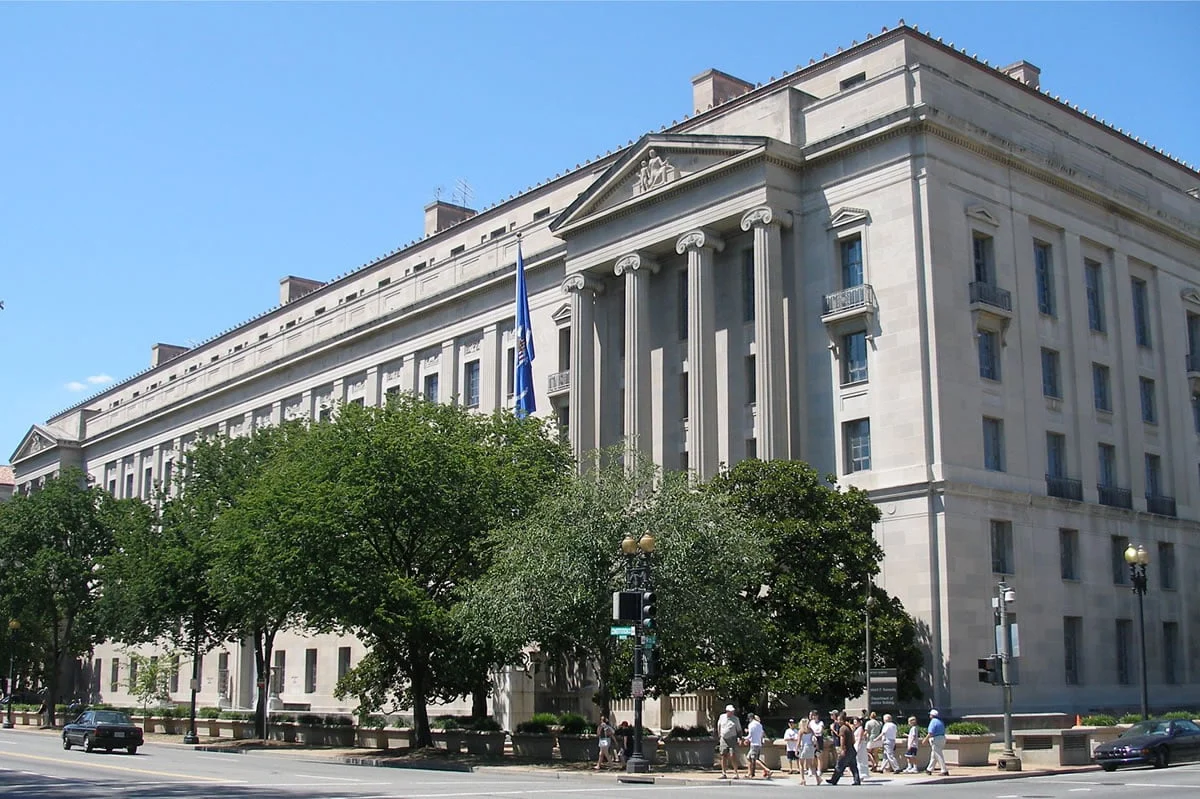
Dismantling the Dark Backbone: U.S. DOJ Targets Huione Group’s Infrastructure in Crypto Crackdown
In a significant escalation of its campaign against international cyber-fraud, the U.S. Department of Justice (DOJ) has successfully seized backend infrastructure associated with the Huione Group, a Cambodia-based conglomerate increasingly viewed by investigators as a vital artery for illicit financial flows. This tactical strike marks a pivot in U.S. enforcement strategy: instead of merely targeting individual crypto wallets or chasing ephemeral front-end websites, authorities are now dismantling the cloud computing and service backbones that sustain global scam ecosystems.
The Strategic Shift: Targeting the Infrastructure Layer
For years, the cat-and-mouse game between regulators and illicit actors was defined by the speed at which criminal networks could spin up new accounts or abandon compromised wallets. However, the recent seizure signifies a move toward "infrastructure-level disruption." By targeting the cloud computing accounts tied to Huione Group subsidiaries, the DOJ has demonstrated a sophisticated understanding of the modern digital criminal stack.
The infrastructure in question served as the digital plumbing for various fraudulent activities, ranging from "pig butchering" scams to sophisticated money laundering operations. By disabling these servers, the DOJ has not only blocked current illicit operations but has also secured critical forensic evidence that could unravel the broader organizational structure of the Huione Group. This approach recognizes that in the digital age, a criminal syndicate is only as strong as the servers that host its communication, payment processing, and ledger management systems.
Chronology of the Huione Investigation
The investigation into Huione Group did not occur in a vacuum; it is the culmination of years of mounting evidence regarding the group’s role in Southeast Asian scam compounds.
- Initial Discovery (2021–2022): Blockchain intelligence firms and human rights organizations began identifying a pattern: large volumes of crypto-assets associated with forced labor camps and scam centers in Cambodia were being funneled through Huione-linked payment processors.
- The Rise of "Pig Butchering": As the "pig butchering" epidemic (long-term confidence scams) exploded globally, investigators traced the movement of stolen funds through over-the-counter (OTC) brokers that utilized Huione’s payment rails.
- Increased Scrutiny (2023): International regulators and NGOs published multiple reports linking the conglomerate to money laundering services that cater to transnational criminal organizations.
- DOJ Intervention (2024): Following extensive collaboration with domestic and international partners, the U.S. Department of Justice executed a series of warrants to seize cloud infrastructure, effectively grounding the digital operations of identified Huione subsidiaries.
Supporting Data: The Anatomy of a Laundering Network
To understand the magnitude of this operation, one must look at the "operational stack" used by these networks. The Huione Group’s model is not a simple platform; it is a complex, modular ecosystem.
The Components of the Stack:
- Communication Rails: Utilizing encrypted messaging apps like Telegram to coordinate victim targeting and manage internal staff at scam compounds.
- Stablecoin Integration: Leveraging the speed and liquidity of dollar-pegged stablecoins to move value across borders in seconds, bypassing traditional banking oversight.
- OTC Brokers: Acting as the bridge between "dirty" crypto and "clean" fiat currency, these brokers obscure the audit trail, making it difficult for centralized exchanges to flag the assets.
- Cloud Hosting: The backbone seized by the DOJ, which provided the computational power necessary to run the software tools and databases that manage high-frequency illicit transactions.
Blockchain analytics firms have long argued that the inherent transparency of distributed ledgers is a double-edged sword. While it allows for illicit activity, it also provides a permanent, immutable record that law enforcement can analyze. The data shows that billions of dollars in illicit volume have flowed through platforms associated with Huione, utilizing a mix of stablecoins—most notably Tether (USDT)—to facilitate these transfers.
Official Responses and Legal Framework
The U.S. Department of Justice has framed this action as part of a broader commitment to protecting the integrity of the global financial system. In official statements, the DOJ emphasized that the seizure is a direct response to the "misuse of financial technology to facilitate criminal activity."
"We are moving beyond the surface level," stated a spokesperson close to the investigation. "If a business provides the infrastructure that allows a criminal network to operate with impunity, they become a legitimate target for intervention. We are stripping away the digital camouflage these entities hide behind."
Legal experts suggest that this move signals a new interpretation of the Bank Secrecy Act (BSA) as applied to modern cloud service providers. By holding the infrastructure providers accountable—or seizing their assets—the DOJ is effectively outsourcing the policing of the "crypto-criminal stack" to the entities that control the servers and the data.
Implications for the Crypto Industry
The ripple effects of this seizure are likely to be felt across the entire cryptocurrency ecosystem for years to come. The message to industry participants is unequivocal: "Know Your Customer" (KYC) and "Know Your Transaction" (KYT) requirements are no longer just suggestions; they are the baseline for survival.
1. Increased Compliance Costs
Crypto firms, particularly those providing payment rails, liquidity services, and hosting, will face immense pressure to tighten their compliance protocols. This will inevitably lead to higher operating costs as firms are forced to implement more rigorous monitoring tools to ensure their services are not inadvertently supporting entities like Huione.
2. The Stablecoin Dilemma
Stablecoins remain the primary vehicle for illicit cross-border transfers. While they provide massive utility for legitimate businesses, their role in laundering has brought them into the crosshairs of regulators. The industry is currently at a crossroads: either issuers must implement more robust, possibly restrictive, compliance measures, or face the prospect of severe, blanket regulations that could stifle innovation.
3. A Catalyst for "Clean" Crypto
There is a silver lining. By systematically removing criminal elements from the ecosystem, the industry can finally move toward a more regulated, stable, and reputable future. The removal of bad actors is essential for institutional adoption; large-scale financial institutions will not enter the crypto space until they are certain that the underlying infrastructure is free from the taint of illicit finance.
The Road Ahead: Transparency and Enforcement
The Huione seizure is a landmark event, but it is not the end of the story. The challenge for law enforcement remains the sheer adaptability of criminal networks. When one piece of infrastructure is seized, another is often already in development.
However, the DOJ’s strategy is evolving to match this reality. By focusing on the operational stack—the tools, the cloud accounts, and the payment pathways—the government is making it exponentially more expensive and technically difficult for these networks to operate.
The industry’s role is to ensure that it acts as a partner in this effort rather than a target. For crypto-native companies, the lesson is clear: transparency is not just an on-chain feature; it is an organizational imperative. Firms that prioritize compliance and work closely with regulators to map and report suspicious activity will be the ones that survive the next phase of the industry’s maturation.
Conclusion: A New Era of Enforcement
The U.S. Department of Justice’s action against the Huione Group serves as a definitive turning point. It marks the transition from a period of passive observation to one of proactive, infrastructure-level disruption. As the crypto sector continues to grow, the ability of law enforcement to keep pace with innovation will depend on this precise type of targeted, intelligence-led enforcement.
The "dark backbone" that supported the Huione Group may have been severed, but the larger battle for the integrity of the digital economy continues. For the crypto industry, the path forward is clear: the era of unchecked growth is being replaced by an era of accountability, where the stability of the system is guarded by those who build it. As investigators continue to map the networks behind global scam operations, one thing is certain: there is no longer anywhere for the infrastructure of crime to hide.
This report was synthesized from official U.S. Department of Justice press releases and industry analysis. For more information on the evolving regulatory landscape, readers are encouraged to consult the latest guidance from the Financial Crimes Enforcement Network (FinCEN) and the Securities and Exchange Commission (SEC).