The Illusion of Liquidity: Why Wash Trading Continues to Plague the Crypto Ecosystem
The cryptocurrency market, once heralded as the frontier of decentralized finance and transparent trading, is currently facing a significant credibility crisis. According to Bobby Ong, co-founder of the prominent market data aggregator CoinGecko, the industry is grappling with an escalating epidemic of "wash trading"—a deceptive practice that threatens to undermine the integrity of digital asset markets. As investors increasingly rely on reported trading volumes to gauge market health and asset popularity, the prevalence of artificial activity has cast a long shadow over the sector, making it difficult for even seasoned traders to distinguish between genuine demand and manufactured hype.
Main Facts: Decoding the Wash Trading Phenomenon
Wash trading is a sophisticated form of market manipulation where an entity simultaneously acts as both the buyer and the seller of a financial instrument. By essentially trading with oneself, the manipulator creates the appearance of high liquidity and robust market activity without ever changing the beneficial ownership of the asset.
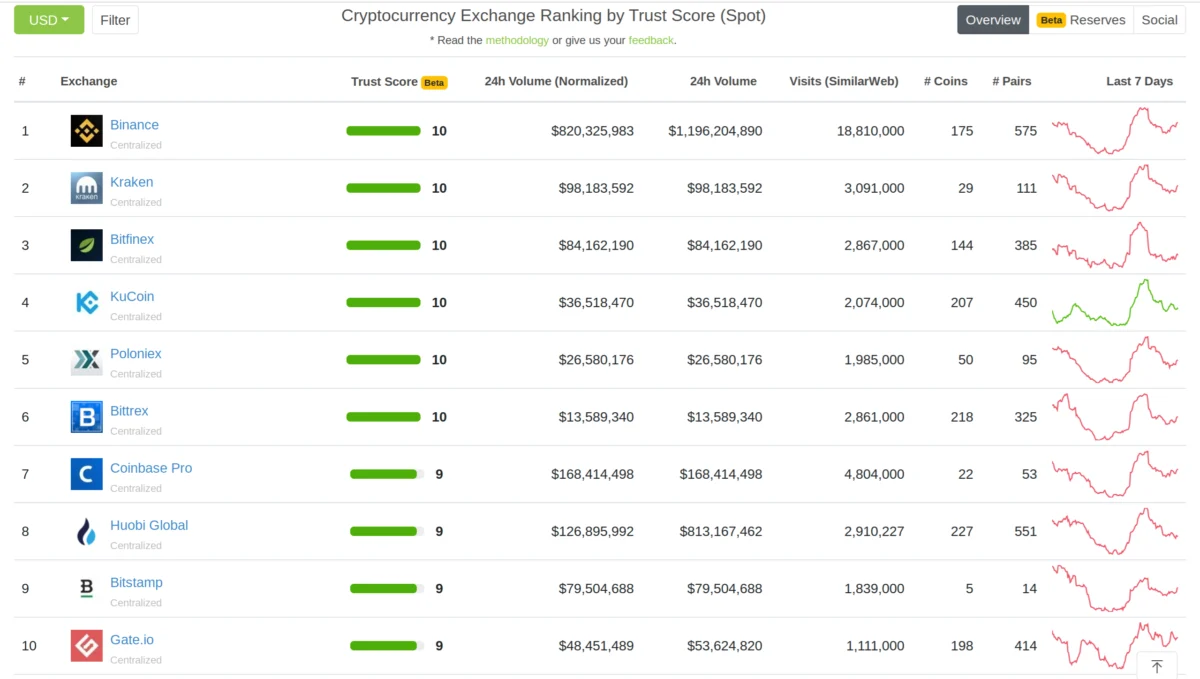
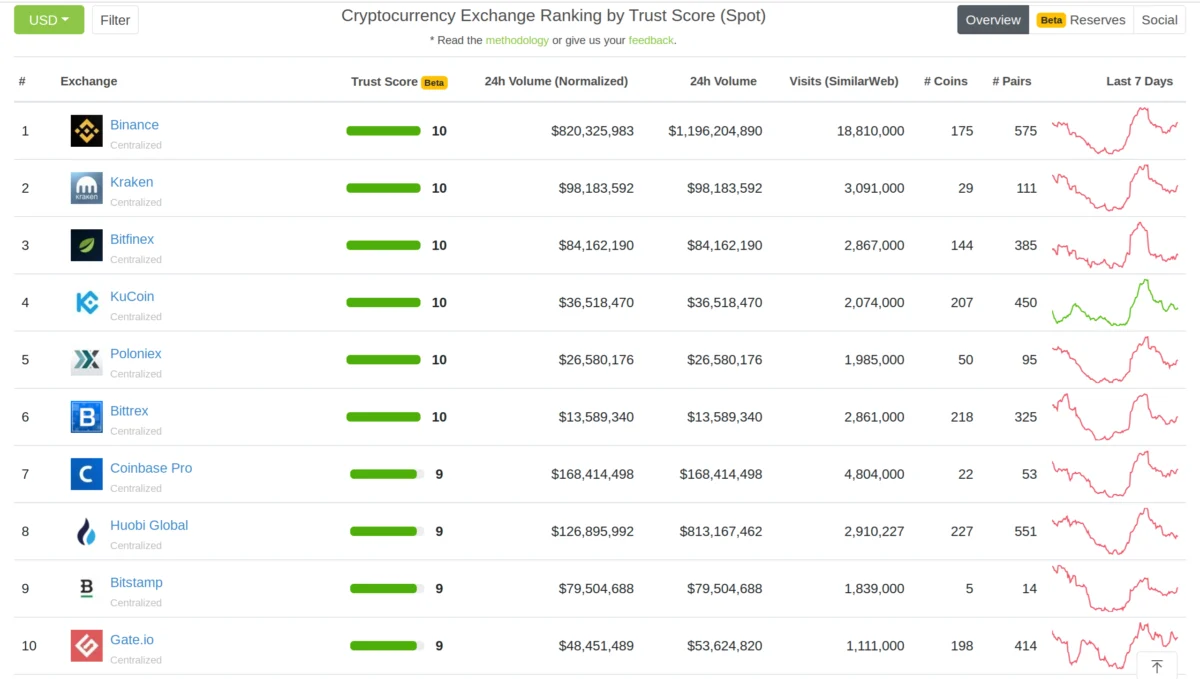
In the context of cryptocurrency exchanges, this practice is often deployed to inflate trading volume statistics. Exchanges use these inflated figures to climb the rankings on data aggregation websites, thereby attracting unsuspecting retail traders who equate high volume with high reliability and popularity. The mechanism is simple but devastatingly effective: bots are programmed to execute high-frequency trades that generate massive turnover figures. To the casual observer, an exchange with billions of dollars in daily volume appears to be a thriving marketplace, when in reality, it may be a hollow shell propped up by automated scripts.
Bobby Ong, in a recent interview with BlockTV, pulled no punches regarding the state of the industry. He asserted that despite increased scrutiny from regulators and the implementation of more robust data metrics, the situation is worsening. "The trading volume for the spot market is almost close to not being used as a trusted source anymore," Ong noted. "There are so many exchanges that are just wash trading that it’s ridiculous."
A Chronological Look at the Rise of Manipulated Metrics
The history of crypto volume manipulation is almost as old as the industry itself. In the early years, the lack of standardized reporting and the absence of institutional oversight allowed exchanges to report virtually any figure they desired.
- 2013–2016: The Wild West Era: During the infancy of the market, data aggregators relied on self-reported data from exchanges. With little verification, many platforms began inflating numbers to capture a larger share of the market, setting a precedent for deceptive practices.
- 2017–2018: The ICO Boom: The massive influx of capital during the initial coin offering (ICO) craze incentivized exchanges to list dozens of speculative tokens. To gain liquidity, many of these exchanges resorted to aggressive wash trading to make their platforms look more liquid than they actually were.
- 2019: The Transparency Reckoning: As institutional interest grew, the "fake volume" problem became impossible to ignore. Researchers from firms like Bitwise Asset Management published reports suggesting that up to 95% of reported Bitcoin trading volume on unregulated exchanges was likely fabricated.
- Late 2019 to Present: The industry began a concerted effort to move toward "Trust Scores." Data aggregators like CoinGecko shifted their methodologies, moving away from volume-only rankings toward more holistic metrics that account for web traffic, order book depth, and regulatory status.
Supporting Data: The Case for Regulated Transparency
The core of the issue lies in the disparity between regulated and unregulated exchanges. Ong argues that the only reliable way for an investor to gauge true market activity is to restrict their analysis to licensed and regulated platforms.

"If you really want to get real 24-hour trading volume, I think the only real way is to look at volume from regulated exchanges such as those in the US, in Japan—those licensed exchanges," Ong stated. He specifically cited platforms like Coinbase and Gemini, alongside Japanese-regulated exchanges, as entities that operate under strict legal frameworks that mandate accurate reporting.
The Metrics of Trust
To combat the fog of fake data, CoinGecko introduced the "Trust Score" algorithm. This metric represents a paradigm shift in how market data is consumed. Rather than relying solely on the "Volume" column, which can be easily manipulated, the Trust Score utilizes a multi-factor analysis:
- Reported Volume: While still a data point, it is now heavily discounted if other metrics do not corroborate it.
- Web Traffic: By analyzing the quality and source of an exchange’s web traffic, researchers can determine if the users are real or if the traffic is being generated by bots.
- Order Book Depth: Genuine liquidity is reflected in the ability of an exchange to absorb large trades without significant slippage. Exchanges that claim high volume but have thin order books are easily identified as fraudulent.
- Regulatory Compliance: Being licensed in a major jurisdiction serves as a proxy for operational integrity.
Official Responses and Industry Shifts
The industry’s response to Ong’s warnings and the broader issue of wash trading has been bifurcated. On one hand, top-tier exchanges have welcomed the focus on transparency. Exchanges like Binance and Kraken, which consistently rank high on CoinGecko’s lists, have emphasized their commitment to providing deep liquidity and transparent reporting to satisfy institutional clients who require audited proof of activity.
Conversely, smaller, offshore, or unregulated exchanges often remain silent or defensive. Many argue that their "volume" is a result of high-frequency trading (HFT) and market-making bots, which they claim is a standard practice in traditional finance (TradFi). While it is true that market makers exist in the New York Stock Exchange, the critical difference is that in regulated environments, these trades represent actual capital deployment and risk, whereas, in many crypto instances, the trades are essentially "phantom" liquidity.
Regulators, particularly the U.S. Securities and Exchange Commission (SEC) and the Commodity Futures Trading Commission (CFTC), have begun to take note. The recent trend of denial for various Bitcoin ETF applications was, in large part, driven by the regulator’s concerns regarding the integrity of the underlying spot markets. The message from the regulators is clear: until the market can prove that its volumes are genuine and its price discovery is not subject to manipulation, it will struggle to gain full institutional legitimacy.
Implications: What This Means for the Future of Crypto
The prevalence of wash trading has profound implications for the future of the digital asset space:
1. The Institutional Barrier
Institutional investors, such as pension funds and sovereign wealth funds, require high-integrity data. They cannot allocate capital to markets where price discovery is artificial. The ongoing persistence of wash trading acts as a "glass ceiling" for the total addressable market (TAM) of the industry. Until the market cleanses itself of these practices, the barrier to mass institutional adoption will remain high.
2. The Risk to Retail Investors
Retail investors are the primary victims of wash trading. By being misled into thinking an exchange is liquid, they may execute trades at suboptimal prices or, worse, deposit their assets onto a platform that lacks the actual liquidity to facilitate large withdrawals during periods of market stress. The risk of exchange insolvency is often masked by the "veneer of success" created by fake volume.
3. The Move Toward Decentralization
Ironically, the failure of centralized, opaque exchanges has fueled the growth of Decentralized Exchanges (DEXs). Unlike centralized platforms, DEXs operate on-chain. Every transaction is verifiable on a public ledger. While DEXs have their own challenges—such as MEV (Maximal Extractable Value) and sandwich attacks—they do not suffer from the "black box" reporting issues of centralized exchanges. Many believe that the ultimate solution to the wash trading problem is a shift toward on-chain, transparent liquidity pools.
Conclusion: A Call for Higher Standards
Bobby Ong’s assessment serves as a sobering reminder that the cryptocurrency industry has not yet outgrown its "wild" roots. While the technology underlying digital assets is transparent, the way in which that technology is bought and sold remains clouded in manipulation.
For the industry to mature, it must move beyond vanity metrics. Investors must prioritize exchanges that undergo regular audits, hold appropriate regulatory licenses, and maintain transparent, observable order books. As the market continues to evolve, the distinction between "trusted" and "untrusted" platforms will become the most important factor in long-term success. Wash trading may be getting worse, but the tools to identify it are getting sharper. The era of blind trust in reported volume is coming to an end; the era of data verification has begun.
Disclaimer: The opinions expressed in this report are for informational purposes only and do not constitute investment advice. Investors are urged to conduct their own due diligence before engaging with any cryptocurrency exchange. Market volatility and platform risk are inherent to digital assets; trade with caution.