The Distribution Moat: How Tether’s TON Integration is Redefining the Stablecoin Landscape
The global stablecoin market has evolved far beyond a simple race for liquidity. While early competition among issuers centered on maintaining pegs and accumulating reserves, the contemporary battlefield has shifted toward a far more challenging frontier: distribution.
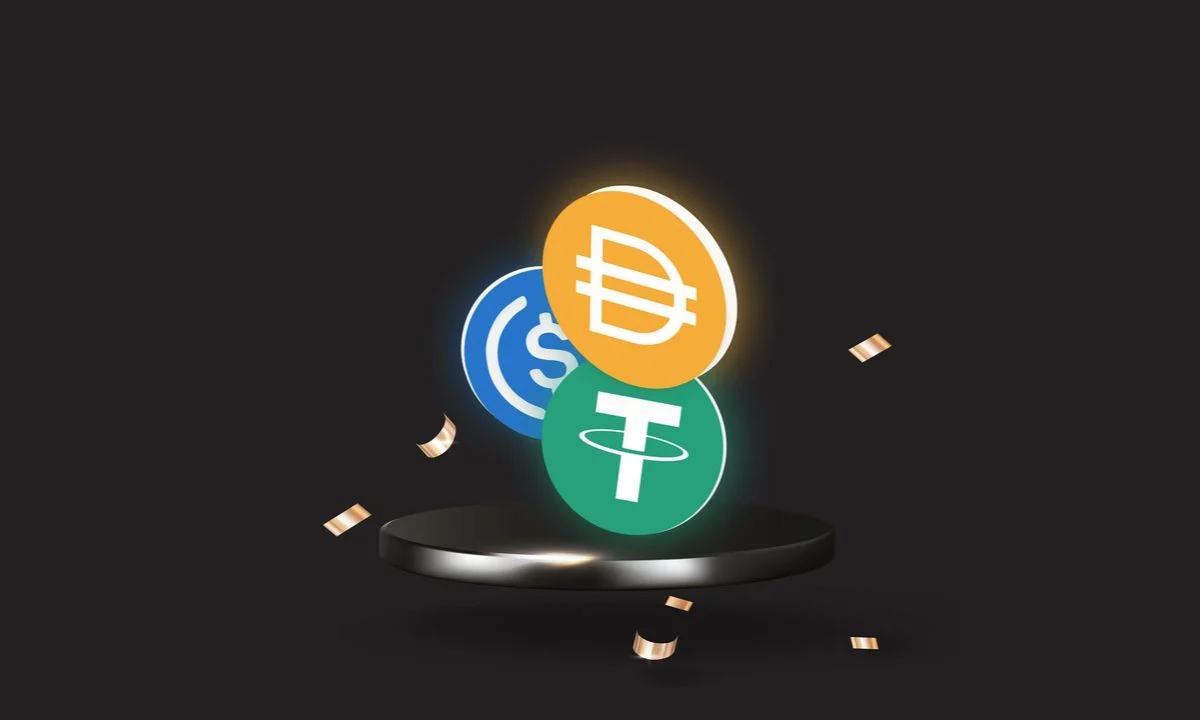
Tether’s expansion of its flagship stablecoin, USDT, onto The Open Network (TON)—the blockchain network deeply integrated with the Telegram messaging application—is a prime example of this shift. By embedding the world’s most liquid stablecoin directly into an instant messaging ecosystem boasting over 900 million monthly active users, Tether is not merely launching on another blockchain. It is attempting to solve one of the most persistent bottlenecks in decentralized finance: user acquisition and friction-free consumer payments.
This comprehensive analysis explores the mechanics of the USDT-TON integration, traces the chronological development of this partnership, presents the key data driving its adoption, examines official stances from industry leaders, and analyzes the broader implications for the global financial ecosystem.
1. Main Facts of the Tether-TON Integration
The integration of native USDT on the TON blockchain represents a structural alignment between a leading stablecoin issuer and a massive consumer-facing communication platform. Rather than relying on third-party bridges or complex decentralized exchanges (DEXs), the partnership introduces native, smart-contract-backed USDT directly onto the TON network.
+-------------------------------------------------------------+
|                      TELEGRAM ECOSYSTEM                     |
|  - 900M+ Monthly Active Users                               |
|  - Integrated @Wallet (Custodial & Self-Custodial)         |
+------------------------------+------------------------------+
                               | (Seamless UI Integration)
                               v
+-------------------------------------------------------------+
|                        TON BLOCKCHAIN                       |
|  - High-throughput, sharded architecture                    |
|  - Native USDT Smart Contracts                              |
|  - Gasless Transactions (Pay transaction fees in USDT)       |
+------------------------------+------------------------------+
                               | (Liquidity & Peg Support)
                               v
+-------------------------------------------------------------+
|                       TETHER (USDT)                         |
|  - $120B+ Market Capitalization                             |
|  - Global fiat-backed reserves                              |
+-------------------------------------------------------------+
The Frictionless Transfer Mechanism
Historically, executing a cryptocurrency transaction required users to navigate external wallets, manage seed phrases, copy long public keys, and hold native gas tokens (such as ETH or TRX) to pay network fees. The TON integration addresses these pain points through several key mechanisms:
- The Telegram Wallet: Users can access a built-in custodial or self-custodial wallet (@Wallet) directly within the Telegram interface, allowing them to send USDT to contacts as easily as sending a text message.
- Gasless Transactions: TON developers introduced fee-delegation mechanisms, allowing users to pay transaction fees directly in USDT rather than requiring them to purchase and hold the network’s native utility token, TON.
- Peer-to-Peer (P2P) Micro-payments: The system enables zero-fee or ultra-low-fee peer-to-peer transfers globally, circumventing traditional remittance networks.
Yield and Fee Campaigns
To bootstrap the ecosystem, the TON Foundation, in coordination with Tether and various ecosystem partners, launched aggressive incentive campaigns. These campaigns targeted both retail users and decentralized application (dApp) developers:
- Liquidity Pool Subsidies: Millions of dollars in TON incentives were allocated to decentralized exchanges on the network (such as STON.fi and DeDust) to offer high yields on USDT-associated liquidity pools.
- In-Wallet Yields: Promotional campaigns offered double-digit annualized percentage yields (APYs) on USDT balances held within Telegram’s self-custodial Space Wallet, attracting capital from yield-seeking retail participants.
- Developer Grants: Grants and fee waivers were established to encourage Web3 developers to build applications—ranging from e-commerce tools to gaming platforms—that utilize USDT as their primary denominating currency.
2. Chronological Development
The path to integrating USDT on TON was shaped by regulatory hurdles, technical pivots, and strategic rebranding.
[2018-2020] Telegram launches Telegram Open Network; SEC halts project; Telegram officially divests.
     │
     ▼
[2021-2023] Independent developers form TON Foundation; rebuild network; integrate "@Wallet" into Telegram.
     │
     ▼
[April 2024] Token2049 Dubai: Paolo Ardoino & Pavel Durov announce official launch of native USDT on TON.
     │
     ▼
[Q2-Q3 2024] Launch of massive liquidity incentives (11M TON); emergence of "Tap-to-Earn" mini-apps.
     │
     ▼
[Late 2024 - 2025] Platform matures; focus shifts to regulatory compliance, gasless features, and global merchant adoption.
2018–2020: The Telegram Open Network and SEC Litigation
Telegram’s blockchain ambitions began in 2018 with the development of the Telegram Open Network and its native token, Gram. Following a highly successful $1.7 billion private token sale, the U.S. Securities and Exchange Commission (SEC) intervened, obtaining an injunction that declared the Gram token an unregistered security. In May 2020, Telegram officially abandoned the project, agreeing to pay an $18.5 million civil penalty and return unspent funds to investors.
2021–2023: The Birth of the Open Network and Community Takeover
Following Telegram’s departure, an independent group of open-source software developers took over the technology. Rebranding the ecosystem as The Open Network (TON), they continued developing the blockchain’s unique sharded architecture. By late 2023, Telegram re-established close ties with the project, officially endorsing TON as its preferred Web3 infrastructure and integrating the custodial "@Wallet" directly into the messaging app’s settings menu.
April 2024: The Token2049 Announcement
At the Token2049 conference in Dubai, Tether CEO Paolo Ardoino and Telegram founder Pavel Durov officially announced the launch of native USDT on the TON blockchain. This announcement marked the formal transition of TON from a speculative layer-1 network to an active, institutional-grade payment rail.
Mid-to-Late 2024: Incentive Waves and the Mini-App Boom
Immediately following the launch, the TON Foundation committed 11 million TON (worth tens of millions of dollars) to incentivize USDT adoption. Concurrently, the rise of Telegram-based "mini-apps" (such as Notcoin and Hamster Kombat) onboarded tens of millions of users to the TON ecosystem. These users, familiar with the Telegram interface, quickly became the primary demographic for micro-transactions powered by USDT.
2025: Consolidation and Mature Integration
Entering 2025, the focus shifted from temporary yield incentives to sustainable utility. The network prioritized stablecoin-denominated commerce, offline merchant payment integrations, and compliance frameworks to ensure the longevity of the payment rails.
3. Supporting Data and Market Performance
The growth of USDT on the TON blockchain has been remarkably rapid compared to previous stablecoin deployments on other Layer-1 and Layer-2 networks.
Supply and Transaction Metrics
According to on-chain data from block explorers and analytical platforms like Artemis and DeFiLlama:
- Circulating Supply: The net supply of USDT issued natively on the TON blockchain crossed $1 billion within six months of its launch, making it one of the fastest-growing chains in Tether’s history.
- Active Addresses: Weekly active addresses interacting with USDT on TON saw exponential growth, consistently outperforming older, established smart contract networks during promotional periods.
- Transaction Costs: The average transaction fee for transferring USDT on TON remained significantly lower than on Ethereum (L1) and highly competitive with Tron (TRX), hovering between $0.05 and $0.15, depending on network congestion.
| Blockchain Network | Average Transaction Fee (USDT) | Speed / Finality | Estimated Active Users (Daily) | Primary Use Case |
|---|---|---|---|---|
| TON | $0.05 – $0.15 | ~2–6 Seconds | High (Via Telegram integration) | Peer-to-peer payments, mini-apps, social commerce |
| Tron (TRX) | $1.00 – $2.00 | ~1 Minute | High (Emerging Markets) | High-volume merchant transfers, OTC desks |
| Ethereum (L1) | $3.00 – $15.00+ | ~15 Seconds to Minutes | Moderate | Institutional settlement, high-value DeFi |
| Arbitrum / Base | $0.01 – $0.10 | Near-instant | High (DeFi Native) | Trading, decentralized exchanges, lending |
The data highlights a clear market segmentation: while Ethereum remains the standard for institutional-grade settlements and Arbitrum/Base serve DeFi power-users, TON and Tron compete directly for low-cost, high-volume consumer transactions, with TON leveraging Telegram’s social graph to capture retail users.
4. Official Responses and Industry Perspectives
The integration of USDT on TON has drawn significant commentary from key executives, highlight the strategic rationale behind the partnership.
Tether’s Vision: Financial Inclusion and Practical Utility
Paolo Ardoino, CEO of Tether, has consistently emphasized that Tether’s primary mission is to serve unbanked and underbanked populations in emerging markets. In public statements, Ardoino noted:
"The launch of USDT on TON will allow for seamless value transfer globally, bypassing traditional financial intermediaries. By linking our stablecoin with Telegram’s massive network, we are creating a financial infrastructure that is as simple to use as sending an instant message. This is not about speculation; it is about building real-world payment systems."
Tether’s leadership views the TON integration as a counterweight to competing stablecoins (like Circle’s USDC) that have historically focused on regulated Western financial markets and compliance-first institutional integrations.
Telegram’s Stance: Freedom and Decentralization
Pavel Durov, the founder of Telegram, has long advocated for privacy, decentralized communication, and financial sovereignty. During his presentation at Token2049, Durov stated:
"The beauty of TON is that it brings power back to the user. Our integration with Tether allows hundreds of millions of people to store and send money securely without needing a bank account. This is the first time in history that a messaging platform of our scale has integrated decentralized, stable financial rails directly into its core product."
Analyst Perspectives: The Distribution Advantage
Independent market analysts point out that the TON-Tether partnership addresses the "cold start" problem that plagues most new blockchain networks. While other chains must spend millions of dollars in marketing to convince users to download new wallets and bridge assets, TON’s wallet is already installed on the mobile devices of nearly a billion people.
5. Strategic Implications for the Crypto Industry
The convergence of messaging services and financial networks has deep implications for the global digital economy, shifting competitive dynamics, regulatory landscapes, and Web3 development.
              ┌─────────────────────────────────────────┐
              │  IMPLICATIONS OF TON-USDT INTEGRATION   │
              └────────────────────┬────────────────────┘
                                   │
         ┌─────────────────────────┼─────────────────────────┐
         ▼                         ▼                         ▼
┌─────────────────┐       ┌─────────────────┐       ┌─────────────────┐
│ THE "SUPER-APP" │       │  STABLECOIN     │       │   REGULATORY    │
│    PARADIGM     │       │  DISTRIBUTION   │       │    SCRUTINY     │
│  - Peer-to-Peer │       │  - Shift from   │       │  - KYC/AML in   │
│  - Mini-dApps   │       │    liquidity to │       │    wallets      │
│  - Ad Networks  │       │    distribution │       │  - Geopolitics  │
└─────────────────┘       └─────────────────┘       └─────────────────┘
The Emergence of the Western "Super-App"
In Asian markets, platforms like WeChat (Tencent) and Alipay have dominated daily life by combining messaging, social media, e-commerce, and digital payments into a single application. Western and European markets have struggled to replicate this model due to fragmented banking regulations, anti-trust concerns, and legacy credit card infrastructures.
By integrating TON and native USDT, Telegram is effectively constructing a decentralized Web3 super-app. This setup allows users to:
- Pay for services: Buy premium Telegram features, pay for digital content, and tip creators in USDT.
- Power in-app economies: Allow developers of Telegram Mini-Apps to monetize their games or services directly through stablecoins, eliminating the 30% fee typically charged by Apple and Google app stores.
- Facilitate global trade: Enable small businesses in developing regions to sell physical or digital goods directly to international customers through Telegram channels, using USDT as the settlement layer.
The Shift from Liquidity-Seeking to Distribution-Seeking
In the early days of DeFi, blockchain networks competed for Liquidity (Total Value Locked, or TVL) by offering high-inflation token rewards. However, this capital proved to be highly mercenary, moving to other chains as soon as incentives dried up.
The Tether-TON integration represents a more sustainable approach: distribution-seeking. By placing the stablecoin in an ecosystem where users are already active for non-financial reasons (messaging, gaming, social interaction), the asset becomes sticky. The stablecoin is used for utility, peer-to-peer settlement, and real-world transactions rather than speculative yield farming.
Regulatory and Compliance Friction
The rapid growth of a highly liquid, privacy-centric stablecoin payment network within a global messaging app has naturally attracted the attention of financial regulators.
- KYC/AML Challenges: While Telegram’s
@Walletoffers a custodial option that requires identity verification (KYC), it also supports self-custodial wallets. Regulators in the United States and Europe have expressed ongoing concerns regarding the use of self-custodial assets for illicit finance and sanctions evasion. - The Arrest of Pavel Durov: The August 2024 arrest of Pavel Durov in France highlighted the geopolitical tensions surrounding Telegram’s moderation policies and its decentralized financial integrations. This event underscored the legal risks that decentralized networks face when operating at a global scale.
- MiCA Compliance: In Europe, the Markets in Crypto-Assets (MiCA) regulation imposes strict reserve and licensing requirements on stablecoin issuers. How Tether navigates these European regulations while maintaining its frictionless, global integration on TON remains a key issue for the coming years.
Conclusion: A New Era for Stablecoin Utility
The integration of Tether (USDT) into the TON blockchain and the Telegram ecosystem is more than just a minor technical update; it is a major strategic milestone in the history of decentralized finance. By combining the world’s most popular stablecoin with a messaging network of nearly a billion users, this partnership addresses the critical challenge of Web3 distribution.
While the ecosystem must still navigate complex regulatory challenges, user-privacy debates, and technical scaling hurdles, the initial data shows strong market demand for fast, low-cost, peer-to-peer stablecoin payments. As stablecoin issuers continue to compete for distribution channels, the TON-USDT integration serves as a powerful blueprint for how digital assets can move past speculative trading and become a seamless part of everyday global communication.