The Great Cooling: Analyzing the 40% Collapse in Crypto Trading Volumes
The cryptocurrency market, known for its extreme volatility and rapid cycles of boom and bust, faced a significant reality check in June 2021. Following a period of hyper-growth and record-breaking interest, the industry experienced a sharp contraction as trading volumes across major global exchanges plummeted by more than 40%. This downturn marked a decisive shift in market sentiment, transitioning from the frenzied optimism of early 2021 to a period of consolidation, caution, and sideways price action.
Data provided by London-based research firm CryptoCompare reveals that this slump was not isolated to a single platform but was a widespread phenomenon affecting industry titans, including Coinbase, Kraken, Bitstamp, and Binance. As the market grappled with a volatile macro environment, both retail and institutional investors retreated, leading to the most significant pullback in activity since the start of the year.
The Chronology of a Market Contraction
To understand the decline in June, one must look at the preceding months, which set the stage for a dramatic correction.
The May Catalyst
The downward trend was heavily influenced by the events of May 2021. China, previously the hub for global Bitcoin mining, announced a comprehensive crackdown on mining operations. This regulatory offensive sparked a mass exodus of miners, forced the relocation of significant infrastructure, and cast a shadow of uncertainty over the security and decentralization of the Bitcoin network. As mining hash rates dipped and regulatory fears spread, the market experienced unprecedented liquidation events, pushing volumes to all-time highs in May—a peak that made June’s subsequent decline appear even more dramatic by comparison.
The June Slide
As June arrived, the market entered a "sideways" pattern. Bitcoin touched a monthly low of $28,908, struggling to regain the momentum that had propelled it to record heights earlier in the year. The month ended with the flagship cryptocurrency down 6.0%. During this period, the market was besieged by conflicting narratives: on one side, China’s relentless pressure on mining; on the other, the landmark news that El Salvador had become the first nation to adopt Bitcoin as legal tender. Despite the historic nature of El Salvador’s move, the broader market remained muted, with traders opting for a "wait-and-see" approach.
Supporting Data: By the Numbers
The contraction in June was quantifiable and sweeping. According to CryptoCompare’s Exchange Review, the drop in activity was comprehensive, touching every corner of the digital asset ecosystem.
Spot vs. Derivatives
The decline was not limited to direct asset trading. Spot volumes, which represent the immediate exchange of cryptocurrencies, plummeted by a staggering 42.7%. Simultaneously, the derivatives market—a key indicator of speculative appetite—saw a 40.7% decrease in total volume. This suggests that the decline was driven not just by a lack of buying interest, but by a significant reduction in speculative leverage.
Open Interest Decline
Further evidence of the cooling market can be found in the "open interest" data for Bitcoin (BTC) and Ethereum (ETH) futures. Open interest represents the total number of outstanding derivative contracts that have not been settled. In June, BTC futures open interest fell by 31.8%, while ETH futures dropped by 29.3%. This mass liquidation of positions indicates that traders were actively closing their bets, likely due to a combination of risk management and the desire to preserve capital amidst falling price floors.
The Resilience of Binance
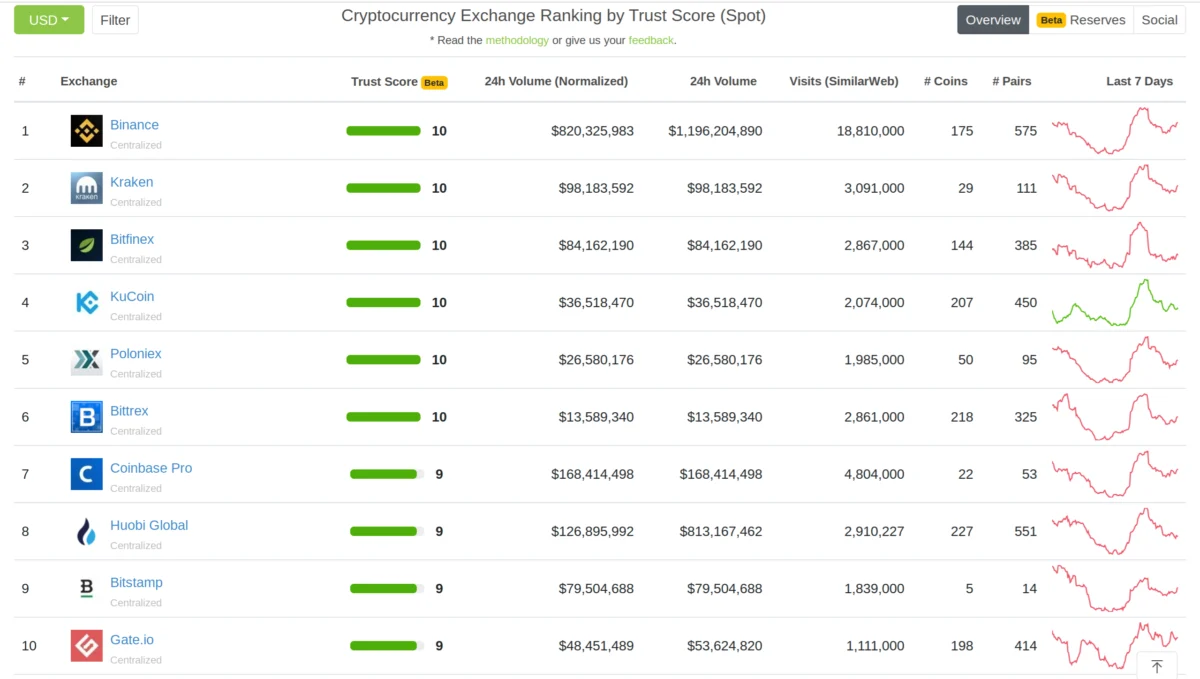
Despite the overall market downturn, Binance maintained its dominance as the world’s largest cryptocurrency exchange by trading volume. Even with a 56% decline in its own monthly volume—amounting to roughly $668 billion—the exchange held onto its top position. This resilience highlights the "stickiness" of major platforms, even when the broader market environment is unfavorable.
Official Responses and Expert Analysis
The industry has been quick to contextualize these numbers, warning against viewing the drop in isolation. While headlines focused on the "plunge," market analysts emphasize that a year-over-year comparison reveals a different story.

The "Fair Comparison" Argument
Clara Medalie, research lead at the crypto market data provider Kaiko, offered a nuanced perspective in an interview with CNBC. She acknowledged the severity of the drop but cautioned that comparing June to May is inherently misleading.
"Volumes plunged in June on pretty much every exchange; however, overall volumes are still magnitudes greater than they were one year ago today," Medalie explained. She noted that May 2021 saw the highest volumes ever recorded due to extreme volatility and forced liquidations, making it an anomaly rather than a baseline.
From a broader historical perspective, June’s volume still ranks within the top five months of trading activity in the history of the asset class. According to Medalie, the market has essentially "reverted to early 2021 amounts," which, while lower than the spring peaks, remain robust compared to the activity levels seen throughout 2020.
Implications for the Future of Crypto
The contraction of June 2021 carries several critical implications for investors, regulators, and the broader financial ecosystem.
1. The Maturity of the Asset Class
The sharp decline in leverage (open interest) and the subsequent cooling of speculative fervor suggest that the market is beginning to mature. Excessive leverage often acts as a propellant for extreme volatility; a deleveraged market, while quieter, is often more sustainable in the long term. This period of consolidation allows the industry to shift focus from short-term price manipulation to long-term utility and infrastructure development.
2. Regulatory Sensitivity
The events in China proved that regulatory sentiment remains the single most powerful factor affecting market volume. As countries continue to formulate their own digital asset policies, exchanges and investors must navigate a world where a single government mandate can alter the trajectory of global trade. The decentralization of mining—as operations moved from China to North America and elsewhere—is a direct consequence of this volatility and will likely lead to a more geographically diverse, and perhaps more resilient, network.
3. Institutional Stability vs. Retail Hype
The fact that volumes remain significantly higher than in 2020 indicates that the institutional interest sparked in late 2020 has not fully evaporated. While retail traders may be more prone to panic-selling or exiting the market during downturns, the continued presence of institutional capital suggests that large-scale entities are viewing these corrections as opportunities for accumulation rather than signals for total exit.
4. The Shift Toward Utility
With speculative volume down, the industry is increasingly forced to justify its value through utility. Projects that rely solely on "hype" often see their volumes evaporate during market downturns, whereas platforms that offer decentralized finance (DeFi) services, smart contract functionality, or payment rails (like the adoption seen in El Salvador) tend to maintain a base level of usage. The June dip serves as a filter, distinguishing projects with actual use cases from those sustained merely by speculative fervor.
Conclusion
The 40% drop in trading volume during June 2021 was a painful, yet arguably necessary, correction for a market that had reached unsustainable heights. By shedding excess leverage and cooling the speculative frenzy of the spring, the crypto ecosystem found a temporary floor. While the headlines focused on the decline, the underlying data confirms that the industry remains in a fundamentally stronger position than it was just twelve months prior. As the market moves forward, the focus will likely shift from the sheer volume of trades to the quality of the underlying technology and the stability of the global regulatory environment. For the patient investor, these periods of "sideways" movement are rarely seen as the end of the road, but rather as the quiet before the next cycle of innovation.
Disclaimer: The information provided in this article is for educational and informational purposes only and does not constitute investment advice. Cryptocurrency investments involve significant risk, including the potential loss of principal. Readers are encouraged to conduct their own due diligence and consult with a qualified financial advisor before making any investment decisions. The Daily Hodl does not endorse or recommend the purchase or sale of any specific assets, and participation in the crypto market is at the user’s own risk.