Crypto Winter or Market Reset? Trading Volumes Plunge 40% Amidst Regulatory Turbulence
The cryptocurrency market, often characterized by its high-octane volatility and rapid growth, hit a significant speed bump in June 2021. Following a period of unprecedented activity, trading volumes across major global exchanges plummeted by more than 40%, signaling a broader shift in investor sentiment as the digital asset space grapples with a two-month-long price correction.
Data released by the London-based market research firm CryptoCompare paints a sobering picture of the industry’s mid-year performance. As Bitcoin and other major tokens moved sideways, the frenzied participation that defined the early months of 2021 began to wane, replaced by caution and a notable cooling of speculative fervor.
The Landscape: A Multi-Front Challenge
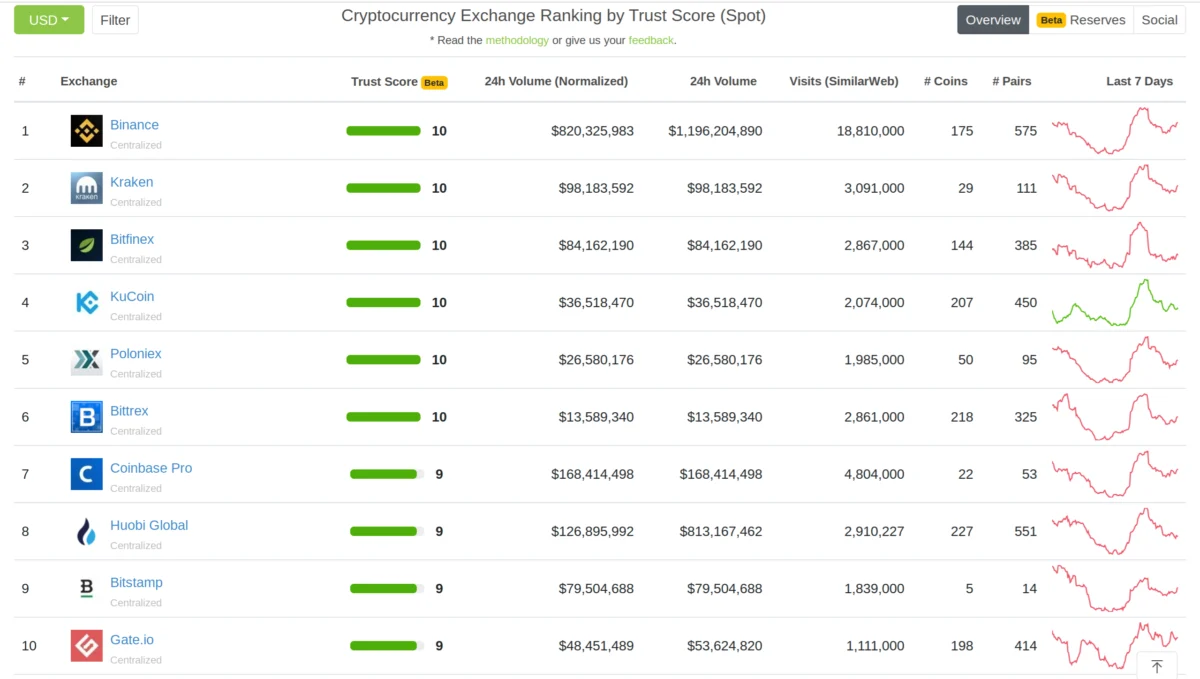
The contraction in trading volume was not localized to a single platform but was instead a systemic trend affecting industry giants including Coinbase, Kraken, Bitstamp, and Binance. The figures are stark: spot volumes across major exchanges fell by 42.7%, while total derivative volumes followed a similar trajectory, dropping by 40.7%.
Key Data Points:
- Bitcoin Performance: BTC hit a monthly low of $28,908 in June, closing the month down 6.0%.
- Futures Market: Open interest for Bitcoin (BTC) and Ethereum (ETH) futures declined by 31.8% and 29.3%, respectively, indicating a reduction in leverage and speculative positioning.
- Exchange Dominance: Despite the market-wide downturn, Binance maintained its position as the world’s largest exchange by trading volume, even as its total volume fell by 56% to $668 billion.
This drop occurred in the shadow of a "perfect storm" of news. Markets were caught between the hammer of aggressive regulatory crackdowns in China and the anvil of institutional adoption milestones, most notably El Salvador’s historic decision to formally adopt Bitcoin as legal tender.
A Chronology of the June Downturn
To understand why liquidity evaporated from the markets, one must look at the timeline of events that defined the second quarter of 2021.
The May Catalyst
The seeds of June’s decline were sown in May, when Chinese regulators initiated a sweeping crackdown on cryptocurrency mining operations. China, which at the time accounted for a massive portion of the global Bitcoin hashrate, ordered a systematic shutdown of mining farms. This move triggered a mass exodus of mining infrastructure and personnel, causing significant uncertainty regarding the network’s security and future energy usage. The sudden regulatory hostility effectively "shook out" retail investors who had entered the market during the peak of the bull run.
The June Correction
As the news cycle persisted throughout June, the market entered a state of consolidation. Bitcoin failed to reclaim its previous highs, leading to a "sideways" trading pattern. This lack of clear direction often discourages day traders and institutional algorithmic bots, both of which rely on volatility to generate profits. As prices stagnated, the once-high volume of trading dried up, leading to the 40% decline reported by CryptoCompare.
Analyzing the Macroeconomic and Regulatory Headwinds
The decline in trading volume is symptomatic of a fundamental re-evaluation of the cryptocurrency sector. Investors are currently weighing the benefits of blockchain technology against the risks of increased government intervention.
The China Factor
The crackdown in China is arguably the most significant geopolitical event in the history of Bitcoin mining. By forcing miners to relocate to jurisdictions like the United States, Kazakhstan, or Russia, the Chinese government forced a temporary disruption in the network’s efficiency. While the network proved resilient, the short-term impact on market confidence was profound. Investors, wary of "regulatory contagion," opted to sit on the sidelines rather than commit capital to an asset class facing existential questions.
El Salvador and the Divergent Narrative
Contrasting the negative news from Asia was the bold legislative move by El Salvador. By becoming the first nation-state to grant Bitcoin the status of legal tender, the country provided a counter-narrative of mainstream institutional acceptance. However, as the data shows, even this landmark development was not enough to offset the bearish sentiment or the decline in speculative trading volume, as the market remained fixated on immediate liquidity and price stability.
Perspectives from Market Experts
While the raw numbers suggest a contraction, experts urge caution against interpreting the drop as a "death knell" for the industry. Clara Medalie, the research lead at crypto market data provider Kaiko, provided a nuanced perspective on the situation in an interview with CNBC.

"Volumes plunged in June on pretty much every exchange; however, overall volumes are still magnitudes greater than they were one year ago today," Medalie noted.
Contextualizing the Drop
Medalie emphasized that comparing June 2021 to May 2021 is inherently skewed. May saw the highest trading volumes ever recorded in the history of the asset class, driven by massive liquidation events and extreme market volatility. When viewed against the historical timeline, June’s activity represents a "reversion to the mean" rather than a total collapse.
"June volume still ranks in the top five months of volume ever recorded," she added. "Volumes have reverted to early 2021 amounts and are still massive compared with 2020."
Implications for the Future of Crypto Trading
The recent cooling of the market has several implications for the future of the cryptocurrency ecosystem:
1. The Maturity of the Asset Class
The decline in speculative volume suggests that the market is moving toward a more mature phase. While extreme volatility attracts day traders, institutional players—such as pension funds, family offices, and corporate treasuries—often prefer lower volatility and higher liquidity. The current consolidation could be a necessary step in building a more stable foundation for long-term growth.
2. The Rise of Decentralized Exchanges (DEXs)
While centralized exchanges (CEXs) saw a massive drop, the ecosystem is also seeing a shift toward decentralized protocols. As regulatory scrutiny increases on centralized platforms, many users are migrating to DeFi (Decentralized Finance) platforms, which may not be fully captured in traditional volume reporting metrics.
3. Regulatory Compliance as a Competitive Advantage
Exchanges that can successfully navigate the shifting regulatory landscape will likely emerge as the winners of the next market cycle. As governments worldwide formulate clearer frameworks for digital assets, platforms that prioritize transparency and compliance are better positioned to attract institutional capital, which is less sensitive to the short-term dips that plague retail-heavy exchanges.
Conclusion: A Temporary Lull or a Structural Shift?
The 40% plunge in trading volume in June 2021 serves as a reminder that the cryptocurrency market is still in its nascent stages, subject to the whims of geopolitical policy and investor sentiment. While the headlines regarding a "plunge" in volume are technically accurate, they miss the broader context: the industry is still operating at a scale that dwarfs the activity of just 12 to 18 months ago.
For the retail investor, the message is one of caution. The period of "easy money" and unchecked, vertical growth has been replaced by a period of fundamental analysis and regulatory adjustment. Whether this trend continues into the second half of the year depends on how the industry adapts to the new regulatory realities in China and how successfully the global community integrates Bitcoin into the traditional financial system.
As always, the digital asset market remains an environment where patience and due diligence are the best defenses against volatility. Investors should remain vigilant, acknowledging that while the volume may have ebbed, the underlying technology continues to evolve at an unprecedented pace.
Disclaimer: Opinions expressed in this article are not investment advice. Investors should perform their own due diligence before making any high-risk investments in Bitcoin, cryptocurrency, or other digital assets. The Daily Hodl does not recommend the buying or selling of any assets, nor is it an investment advisor. Please note that trading involves significant risk, and any losses incurred are the sole responsibility of the investor.