The Great Pivot: How Bitcoin Miners are Reimagining the Future Through AI Integration
The landscape of the cryptocurrency mining industry is undergoing a seismic shift. Following the highly anticipated Bitcoin halving event in April 2024—a programmed reduction in block rewards that effectively slashed the daily revenue of network validators by more than 70%—the sector has reached a critical juncture. Faced with the reality of thinner margins and increased operational costs, mining enterprises are moving beyond a singular reliance on Proof-of-Work (PoW) protocols.
In a strategic bid for survival and profitability, the industry is witnessing a "metamorphosis." Major mining firms are pivoting their massive computing infrastructure toward the burgeoning sector of Artificial Intelligence (AI) and High-Performance Computing (HPC), fundamentally altering the traditional mining business model.
The Catalyst: A New Era of Economic Necessity
The April 2024 halving was not merely a technical update to the Bitcoin protocol; it was a financial stress test. By design, the halving limits the new supply of Bitcoin, which is intended to bolster scarcity. However, for miners, the immediate impact was a sharp reduction in revenue per terahash.
With operational overheads remaining static or increasing, the industry faced an existential question: how to sustain a profitable bottom line when the primary product—newly minted Bitcoin—is suddenly halved? The answer, increasingly, lies in the high-demand, high-growth field of artificial intelligence.

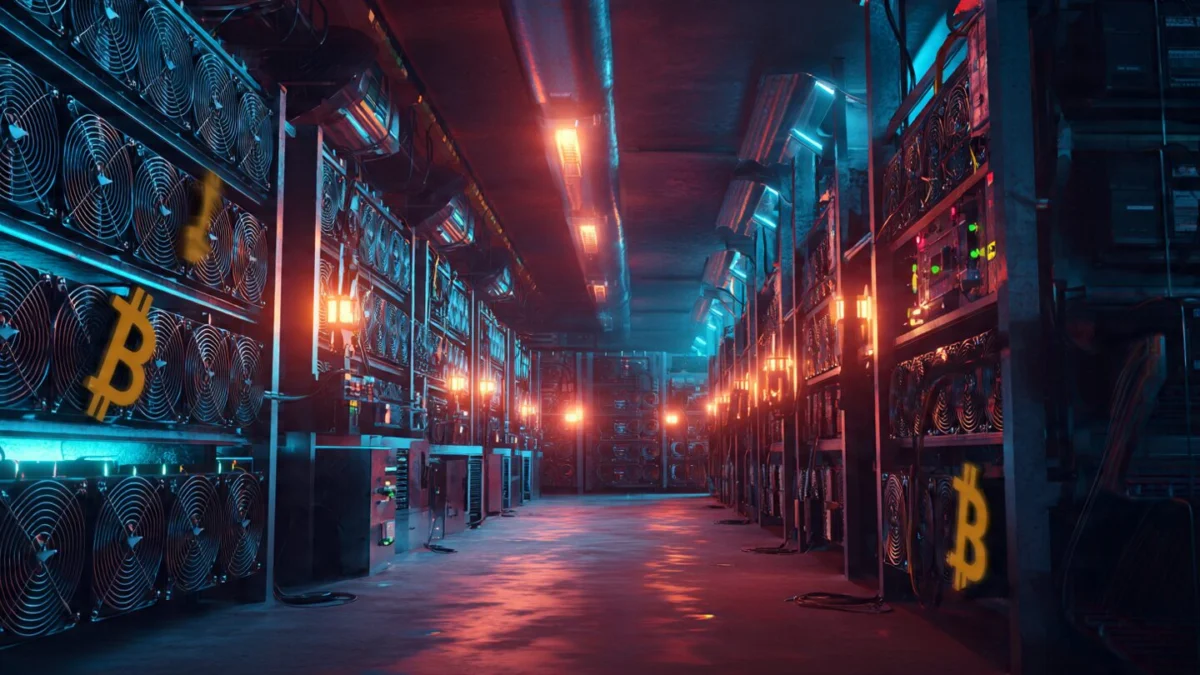
As OpenAI’s ChatGPT and other generative AI models have captured global attention, the demand for specialized computing power has exploded. AI training and inference require significant GPU and CPU resources—infrastructure that mirrors the hardware-heavy nature of Bitcoin mining. Miners, who already possess the physical facilities, power procurement expertise, and cooling infrastructure, have found themselves in a unique position to capitalize on the "AI gold rush."
Chronology of the Shift: From Mining to Computing
The integration of AI into the crypto-mining ecosystem did not happen overnight, but the momentum has accelerated significantly since the Q2 2024 mark.
- Pre-Halving (2023): Mining companies began exploring "diversification" as a hedge against crypto market volatility. Initial experiments focused on secondary revenue streams, including edge computing and cloud services.
- April 2024 (The Halving): The immediate drop in revenue acted as a catalyst. Profitability for many firms utilizing older, less efficient hardware (such as older Antminer models) hit a breaking point, forcing a rapid transition or a complete exit from the market.
- Post-Halving (Q2–Q3 2024): Industry leaders, including Bit Digital, Hut 8, and Hive, reported significant portions of their revenue—in some cases exceeding 30%—originating from non-mining activities, specifically AI and HPC contracts.
- Current State: The industry is now actively reconfiguring data centers to accommodate dual-purpose hardware, balancing Bitcoin hashing with AI model training and cloud rendering.
Supporting Data: Understanding the "Miner Capitulation"
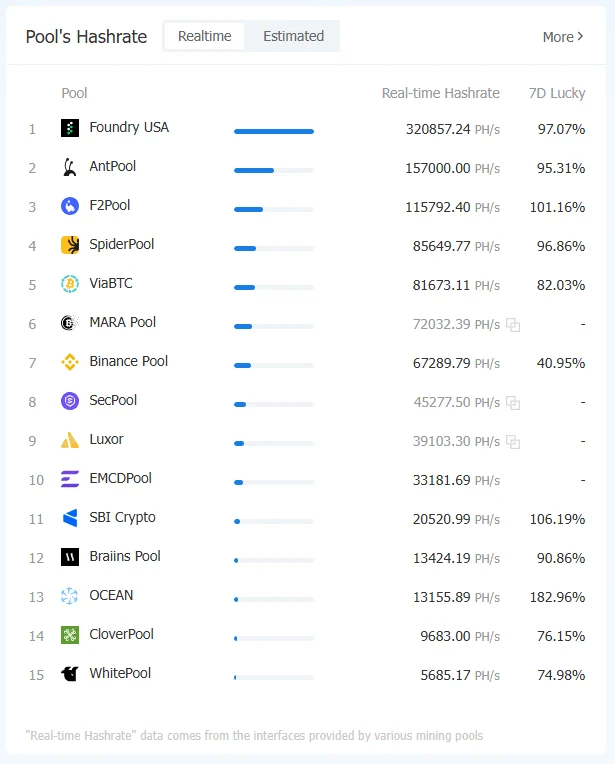
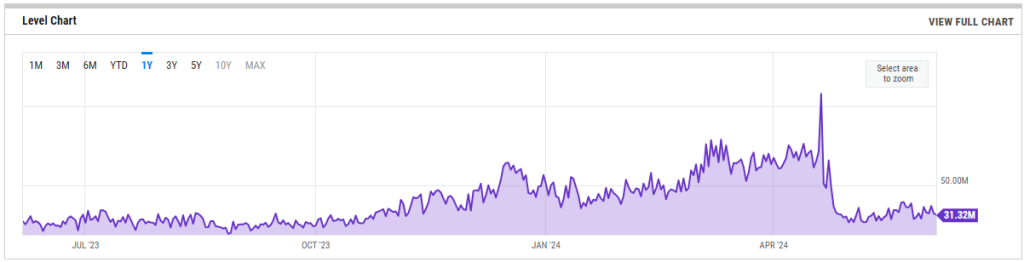
The transition is not just a strategic choice; for many, it is a forced migration driven by the "hashrate." Hashrate is the total computational power securing the Bitcoin network. Recent data indicates a noticeable decline in total hashrate, suggesting that smaller, less efficient operations are shutting down.
This trend is captured by the "Hash Ribbons" indicator. When short-term moving averages of the hashrate fall below long-term averages, it signals "miner capitulation." Historically, this phenomenon is often interpreted as a bottom-forming signal for Bitcoin prices. As miners exit the network, the "mining pressure"—the act of miners selling their Bitcoin to cover overheads like electricity and hardware loans—subsides.

For the long-term Bitcoin investor, this could be interpreted as a bullish indicator. A reduction in miner selling pressure, combined with renewed institutional interest, creates a supply-demand imbalance that often favors price appreciation.
Official Responses and Strategic Vision
Industry executives are framing this shift not as a departure from crypto, but as a maturation of the business model. Adam Sullivan, CEO of Core Scientific, articulated this vision clearly: "The shift to AI allows us to create a diversified business model with more predictable cash flows."
By decoupling from the binary outcome of Bitcoin’s price volatility, miners are seeking to appease shareholders who are wary of the "boom-and-bust" cycles inherent in the crypto market. AI service contracts typically offer long-term, fixed-income streams, providing a "stable anchor" for mining firms that have historically been at the mercy of market sentiment.
Other industry heavyweights are following suit. Bit Digital has been at the forefront of this transformation, aggressively expanding its AI infrastructure to complement its mining fleet. This diversification is seen by analysts as the "new standard" for publicly traded mining companies, as they attempt to justify their valuations to institutional investors who prioritize risk mitigation.
Implications: The Future of Decentralized Infrastructure
The implications of this shift are profound for both the crypto and AI sectors.
1. The Professionalization of Mining
The "hobbyist" era of mining has long passed, but the "AI pivot" marks the end of the "pure-play" miner. Future mining operations will likely resemble massive, multi-faceted data centers capable of switching between workloads based on real-time economic profitability. This increases the resilience of these firms, ensuring they remain solvent regardless of market fluctuations.
2. A Symbiotic Relationship with Power Grids
Miners are among the largest consumers of energy. By integrating AI, these firms become even more attractive to energy providers. They can balance the load on local grids by toggling between energy-intensive Bitcoin mining and AI processing, effectively acting as "demand response" partners for utility companies.
3. Market Volatility and Investor Sentiment
As miners hold onto more of their Bitcoin—rather than selling it to cover costs—the circulating supply of Bitcoin may tighten. If institutional demand continues to grow, this reduction in "miner sell pressure" could serve as a powerful tailwind for the next phase of the bull market.
4. Challenges to the Status Quo
The pivot is not without risk. AI hardware requires different maintenance cycles, specialized software expertise, and vastly different client-facing business models compared to traditional mining. Not every firm will successfully navigate this transition. We may see a wave of M&A activity as larger, well-capitalized firms acquire smaller ones that failed to adapt to the post-halving reality.
Conclusion: A Resilient Industry in Evolution
The narrative that Bitcoin mining is in decline is a misunderstanding of the industry’s current trajectory. While the traditional model of mining Bitcoin as the sole source of revenue has been challenged by the halving, the ingenuity of the sector remains intact.
The marriage of Bitcoin mining and Artificial Intelligence is likely the most significant development in the sector since the introduction of ASIC hardware. By leveraging the same infrastructure that secures the world’s most decentralized network to fuel the world’s most advanced computing needs, miners are ensuring their relevance in the digital economy of the future.
Whether this transition leads to a new generation of "computing utilities" or simply provides a necessary life raft during market volatility, one thing is certain: the era of the pure-play crypto miner is evolving into something far more complex, resilient, and integrated into the global technology stack. As we move further into 2024 and beyond, the success of this pivot will be the defining metric for the health and sustainability of the mining industry.
Disclaimer: The information provided in this article is for educational purposes only and does not constitute financial advice. Investment in cryptocurrency and mining-related assets involves significant risk. Readers are encouraged to conduct their own due diligence and consult with a qualified financial advisor before making any investment decisions.