Tether Expands European Footprint with MiCAR-Compliant Stablecoins via Hadron Platform
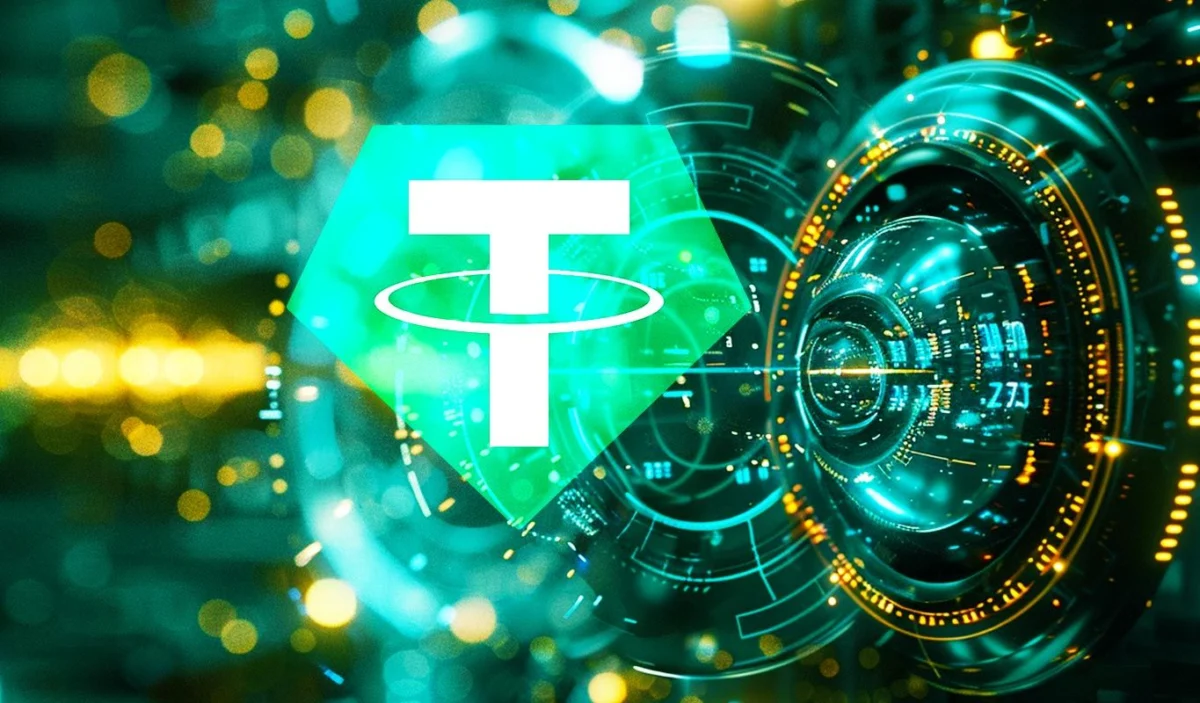
In a strategic maneuver aimed at securing a dominant foothold in the evolving European digital asset market, Tether—the issuer of the world’s most widely traded stablecoin, USDT—has announced a significant partnership with Netherlands-based Quantoz Payments. This collaboration marks the debut of two new stablecoins, EURQ and USDQ, which are engineered to be fully compliant with the European Union’s landmark Markets in Crypto-Assets (MiCAR) regulation.
This development is powered by "Hadron by Tether," a newly launched tokenization platform designed to act as a foundational technology for institutions, governments, and enterprises looking to bridge the gap between traditional finance and decentralized blockchain ecosystems.
The Core Developments: A New Era for European Stablecoins
The introduction of EURQ and USDQ is not merely a product launch; it represents a fundamental shift in how Tether intends to interact with regulated markets. Unlike the broader, global market for USDT, these new assets are specifically tailored to meet the stringent legal requirements imposed by MiCAR, which governs the issuance and operation of crypto-assets across the European Economic Area (EEA).
By utilizing the Hadron platform, Quantoz Payments can leverage a sophisticated suite of tools that automate and enforce regulatory compliance. For European investors and institutional partners, this provides a "regulated-first" alternative to the more volatile or less transparent assets that have historically dominated the crypto-landscape.
Key Details of the Launch:
- EURQ: A Euro-denominated stablecoin designed for European markets, ensuring compliance with MiCAR liquidity and reserve requirements.
- USDQ: A US Dollar-denominated stablecoin, providing a regulatory-compliant bridge for users requiring USD exposure within the European legal framework.
- The Technology: Both assets are minted and managed through the Hadron by Tether platform, which offers institutional-grade security, anti-money laundering (AML) protocols, and robust risk management.
Chronology: Building the Hadron Infrastructure
The path to this announcement has been marked by a concerted effort by Tether to pivot from being a pure-play stablecoin issuer to a multi-faceted financial technology provider.
The Foundation (Pre-2024)
For years, Tether has maintained its status as the industry leader in stablecoin liquidity. However, the company faced mounting pressure from international regulators to increase transparency and demonstrate a clearer path toward compliance. During this period, Tether focused heavily on its reserve transparency reports and strengthening its banking relationships globally.
The Pivot (Early-to-Mid 2024)
As MiCAR began its phased implementation in Europe, the regulatory landscape became increasingly difficult for non-compliant stablecoins to navigate. Recognizing this, Tether’s leadership began developing a proprietary platform capable of managing tokenized assets while maintaining the highest level of regulatory adherence.
The Launch of Hadron (November 2024)
Last week, Tether officially rolled out the private beta of "Hadron by Tether." Initially pitched as a comprehensive, full-suite token management platform, Hadron was designed to handle the entire lifecycle of digital assets. From issuance and KYC (Know-Your-Customer) verification to secondary market monitoring, Hadron was intended to be a "plug-and-play" solution for entities that wanted the benefits of blockchain without the regulatory pitfalls.
The Quantoz Partnership (Current)
The partnership with Quantoz Payments represents the first major real-world implementation of the Hadron platform. By integrating with a licensed electronic money institution (EMI) like Quantoz, Tether has successfully bypassed the regulatory "gray zone," effectively embedding its technology within the existing European financial architecture.
Supporting Data and Technical Architecture
To understand the magnitude of this launch, one must look at the specific capabilities provided by the Hadron platform. Tether has positioned Hadron as a non-custodial, blockchain-agnostic infrastructure.
Technical Capabilities:
- Multi-Signature Security: The platform leverages advanced multi-signature wallet configurations, allowing for high-security custody models that support both hardware and institutional-grade software wallets.
- Regulatory Toolkits: The platform includes pre-configured modules for KYC, AML, and "Know-Your-Transaction" (KYT) screening. This ensures that every movement of EURQ or USDQ is traceable and audit-ready.
- Cross-Chain Interoperability: By being blockchain-agnostic, Hadron allows for the issuance of tokens across multiple networks, increasing the utility of the stablecoins while maintaining a centralized oversight of the token supply.
- Institutional UX: Tether CEO Paolo Ardoino has emphasized that the platform is built with an "intuitive user interface," specifically designed to bridge the gap for traditional financial institutions that may find decentralized protocols intimidating.
The partnership with Quantoz—a company already recognized for its expertise in digital asset payment services—ensures that the underlying reserves for these stablecoins are held in high-quality, liquid assets that satisfy the European Banking Authority’s (EBA) requirements.
Official Responses and Strategic Vision
The leadership at Tether has framed this move as a logical step in the evolution of digital finance. Paolo Ardoino, CEO of Tether, has consistently articulated a vision where Tether acts as the "backbone" of the global asset tokenization industry.
In a recent statement, Tether noted:
"These stablecoins represent a significant milestone in advancing grassroots-regulated digital asset solutions in Europe. Quantoz’s decision to leverage Hadron by Tether is a key proof point for Tether’s strategy to position itself as the leading technology for real-world assets, becoming the backbone of the asset tokenization space."
Regarding the technical architecture, Ardoino added:
"It leverages a very intuitive user interface to set up and configure multi-signature wallets, including hardware wallets. A deeply thought user experience streamlines the interaction between issuers and their users. Among its suite of controls, deep emphasis has been placed on providing the most comprehensive set of tools for compliance, KYC, AML, Know-Your-Transaction, Risk Management, and secondary market ecosystem monitoring."
This sentiment echoes Tether’s broader push to collaborate with governments and institutions, suggesting that they are moving away from the "crypto-anarchist" roots of the industry and toward a collaborative relationship with sovereign financial systems.
Implications: What This Means for the Market
The arrival of MiCAR-compliant stablecoins from a major player like Tether carries profound implications for the digital asset ecosystem.
1. Competitive Pressure on Other Stablecoin Issuers
With EURQ and USDQ, Tether is directly competing with companies like Circle (the issuer of USDC) and various European banking consortia that are also rushing to issue MiCAR-compliant assets. By using the Hadron platform, Tether may be able to lower the barrier to entry for other regional banks, potentially making Tether’s technology the industry standard for stablecoin issuance.
2. Legitimacy and Adoption
For retail and institutional users in Europe, the presence of stablecoins that are explicitly endorsed and regulated under EU law reduces the "risk premium" associated with holding digital assets. This could drive significant adoption of EURQ as a settlement layer for European e-commerce and cross-border B2B payments.
3. The Future of Tokenization
Hadron is not limited to stablecoins. Tether’s broader ambition is to facilitate the tokenization of real-world assets (RWAs)—such as government bonds, commodities, and even real estate. If the Quantoz partnership proves successful, it will serve as a proof-of-concept that Hadron can handle the complexities of tokenizing traditional financial assets on a mass scale.
4. Regulatory Convergence
The partnership highlights a trend of regulatory convergence. Rather than resisting the MiCAR framework, Tether is actively leaning into it. By providing the tools that make compliance "easy," Tether is effectively ensuring that its infrastructure remains relevant, regardless of how strict the regulations become.
Conclusion: A Pivot Toward Maturity
The launch of EURQ and USDQ via the Hadron platform marks a transformative moment for Tether. By aligning its technological output with the stringent demands of the European Union, the company is signaling its intent to remain the dominant force in the stablecoin space for the next decade.
While the broader crypto market continues to grapple with volatility and evolving global regulations, Tether’s strategy is clear: focus on infrastructure, prioritize compliance, and position itself as the essential technology layer for the future of digital finance. Whether this strategy will effectively crowd out competitors or face resistance from European regulators remains to be seen. However, one thing is certain: with the introduction of Hadron and its subsequent adoption by firms like Quantoz, the boundary between "crypto" and "traditional finance" has never been thinner.
Disclaimer: The information provided in this article is for educational and informational purposes only and does not constitute financial, investment, or legal advice. Investors are encouraged to conduct their own due diligence and consult with qualified professionals before engaging in any cryptocurrency-related transactions. All investments in digital assets carry significant risk, including the loss of principal.