Crypto Winter Chill: Why Trading Volumes Plunged Over 40% in June
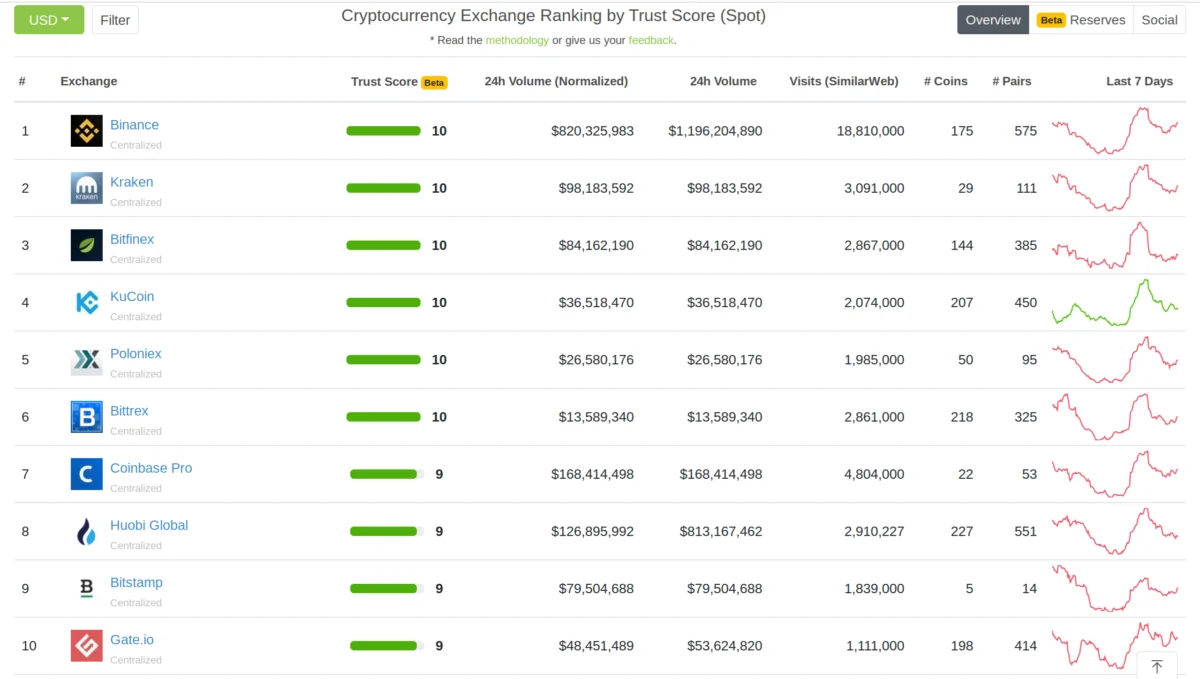
The cryptocurrency landscape experienced a sharp contraction in June 2021, as trading activity across major global exchanges plummeted by more than 40%. Following a volatile spring characterized by record-breaking highs and sudden liquidation events, the market entered a period of consolidation and uncertainty. According to data provided by the London-based research firm CryptoCompare, major platforms—including industry titans like Binance, Coinbase, Kraken, and Bitstamp—witnessed a significant exodus of capital and a cooling of investor enthusiasm.
This downturn serves as a critical case study in how regulatory pressures, macroeconomic shifts, and a lack of market volatility can rapidly drain liquidity from the digital asset space.
The Core Facts: A Market in Retrenchment
The data from June 2021 paints a clear picture of a market in the midst of a cooldown. Spot trading volumes on centralized exchanges fell by 42.7%, while the derivatives market—often a proxy for speculative institutional interest—saw a nearly identical decline of 40.7%.
Bitcoin (BTC), the market’s primary bellwether, struggled throughout the month, hitting a monthly low of $28,908 and concluding the period down approximately 6%. This price stagnation, coupled with a notable reduction in price fluctuations, effectively stifled the "fear of missing out" (FOMO) that had previously driven astronomical trading volumes during the first quarter of the year.
Furthermore, the "open interest"—the total number of outstanding derivative contracts that have not been settled—also saw a steep decline. Bitcoin futures open interest fell by 31.8%, while Ethereum (ETH) futures open interest dropped by 29.3%. These metrics indicate that traders were not just closing positions; they were withdrawing from the market entirely, opting for cash or stablecoin positions to wait out the uncertainty.
Chronology of a Correction
To understand why the market stalled in June, one must examine the cascading series of events that began in mid-spring.
The May Catalyst: China’s Mining Ban
The precursor to June’s slump was the aggressive crackdown initiated by the Chinese government in May. Beijing, historically a massive hub for Bitcoin mining, declared a comprehensive prohibition on mining operations. This forced a mass exodus of mining rigs and operators, triggering a "hash rate" collapse as the network adjusted to the loss of a significant portion of its participants.
This regulatory shockwave served as the primary catalyst for a market-wide liquidity drain. As miners liquidated their holdings to fund the relocation of their operations to more crypto-friendly jurisdictions, the price of BTC plummeted, causing a domino effect of liquidations among leveraged traders.
June: The "Sideways" Stagnation
By the time June arrived, the initial panic had evolved into a "sideways" market. Investors found themselves caught between conflicting narratives. On one hand, China’s persistence in dismantling mining infrastructure created a persistent "headwind" of fear. On the other, the industry received a monumental piece of good news: El Salvador became the first nation-state in history to adopt Bitcoin as legal tender.
Despite this historic milestone, the market lacked the directional momentum required to sustain high trading volumes. Without the volatility that day traders thrive on, the daily churn of assets slowed to a crawl.
Supporting Data: Contextualizing the Decline
While a 40% drop in volume sounds catastrophic, analysts urge stakeholders to maintain a long-term perspective. To understand the gravity of the situation, one must compare these figures against the historical context of the crypto market.
Comparison to 2020
Clara Medalie, the research lead at digital asset data provider Kaiko, noted in an interview with CNBC that while the drop was undeniably steep, it represents a reversion to the mean rather than a market death knell. "Volumes plunged in June on pretty much every exchange; however, overall volumes are still magnitudes greater than they were one year ago today," Medalie explained.
The June volume, while lower than previous months, still ranked among the top five months for trading volume in the history of the asset class. The primary reason for the "steep" appearance of the drop is the comparison to May 2021, which saw the highest volumes ever recorded due to unprecedented liquidation events. When compared to the relatively quiet market conditions of 2020, the activity in June 2021 was still robust.

Exchange Performance
Binance, despite being at the center of various global regulatory investigations during this period, maintained its dominance. The exchange saw its monthly trading volume drop to $668 billion—a 56% decline—yet it successfully retained its position as the world’s largest crypto exchange by volume. This suggests that while individual traders may have exited, the underlying infrastructure remained resilient.
Industry Responses and Expert Perspectives
The cooling of the market prompted varied reactions from industry analysts, regulatory bodies, and market makers.
The Regulatory Hurdle
Many industry leaders argued that the drop in volume was a direct result of "regulatory uncertainty." As governments in Europe, Asia, and North America began to signal stricter oversight regarding Anti-Money Laundering (AML) and Know Your Customer (KYC) protocols, retail investors adopted a "wait and see" approach.
Institutional Sentiment
Institutional players, who have become the primary drivers of Bitcoin price action, adopted a defensive posture. The reduction in open interest in derivatives markets suggested that institutional desks were de-risking. This shift in strategy—from aggressive accumulation to risk management—contributed significantly to the lack of volume. Unlike retail investors who might trade based on social media sentiment, institutional desks operate on risk-parity models; when volatility becomes too high or the regulatory environment becomes too opaque, they pull back capital to protect their balance sheets.
Implications: What Lies Ahead?
The events of June 2021 carry several long-term implications for the cryptocurrency sector.
1. The Maturity of the Market
The transition from high-volatility, high-volume frenzy to a period of consolidation is a hallmark of a maturing asset class. Periods of "sideways" movement allow the market to flush out excessive leverage and "weak hands," creating a stronger foundation for future growth.
2. Regulatory Divergence
The disparity between China’s crackdown and El Salvador’s adoption highlights a growing trend of global regulatory divergence. Investors are now paying closer attention to which nations are providing legal clarity versus those attempting to suppress the industry. This will likely dictate where trading volumes migrate in the coming years.
3. The Need for Better Infrastructure
The dramatic shifts in volume during May and June exposed the limitations of existing exchange infrastructure. During periods of peak volatility, many exchanges struggled with latency, while during periods of low activity, the lack of depth in order books exacerbated price swings. This has prompted a renewed focus on decentralized exchanges (DEXs) and more robust clearing mechanisms.
4. A New Baseline
Market participants must now adjust their expectations. The explosive growth seen in early 2021 was fueled by a unique combination of stimulus-driven liquidity and a bull market cycle. Moving forward, the industry is likely to operate within a new, more normalized baseline. While the "easy money" phase may have concluded, the underlying technological adoption—evidenced by the continued development of DeFi and layer-2 scaling solutions—continues to advance regardless of the short-term trading volume.
Conclusion: The Long Game
The 40% plunge in trading volume during June 2021 was a sharp reminder that the cryptocurrency market is not immune to the laws of supply, demand, and regulatory influence. It was a month defined by exhaustion, regulatory fear, and a necessary recalibration of market expectations.
However, as experts like Clara Medalie point out, one should not mistake a correction for a collapse. By zooming out, the narrative shifts from one of decline to one of sustained growth compared to previous years. For investors and developers alike, the takeaway is clear: the crypto market is entering a phase of increased scrutiny and institutionalization. While the volatility of June may have dampened short-term trading activity, the long-term trajectory remains tied to the ongoing integration of digital assets into the global financial system.
As always, stakeholders are encouraged to conduct their own due diligence, keeping in mind that the inherent risks of the cryptocurrency market—including extreme price swings and evolving regulatory frameworks—remain a constant feature of this nascent industry. Whether June 2021 will be remembered as the beginning of a prolonged "crypto winter" or simply a brief pause before the next cycle remains a subject of ongoing debate, but one thing is certain: the market has proven its resilience once again.