The 20 Millionth Milestone: Bitcoin Enters the Final Chapter of Its Scarcity Era
In a landmark moment for digital finance, the Bitcoin network has officially surpassed the 20 million coin threshold. This achievement, reached on a quiet Sunday at block height 939,999, marks a critical juncture in the 21-year odyssey of the world’s most prominent cryptocurrency. Exactly 17 years, two months, and one week after Satoshi Nakamoto mined the genesis block in January 2009, the network has successfully issued 95.24% of its total projected supply.
While the milestone is largely symbolic, it serves as a stark reminder of Bitcoin’s immutable monetary policy. As the total supply creeps toward its hard cap of 21 million, the economic and operational landscape for the network is shifting, forcing miners, investors, and policymakers to reckon with the realities of a post-subsidy future.
Chronology of a Digital Revolution
To understand the weight of the 20 millionth coin, one must look back at the exponential trajectory of the network’s growth.
- January 2009: The genesis block is mined, introducing the concept of a decentralized, proof-of-work ledger.
- November 2012: The first "halving" occurs, reducing the block reward from 50 BTC to 25 BTC. This event cemented the protocol’s deflationary nature.
- July 2016: The second halving drops the reward to 12.5 BTC.
- May 2020: The third halving lowers the reward to 6.25 BTC.
- April 2024: The most recent halving reduces the reward to 3.125 BTC, the level at which the 20 millionth coin was officially brought into circulation.
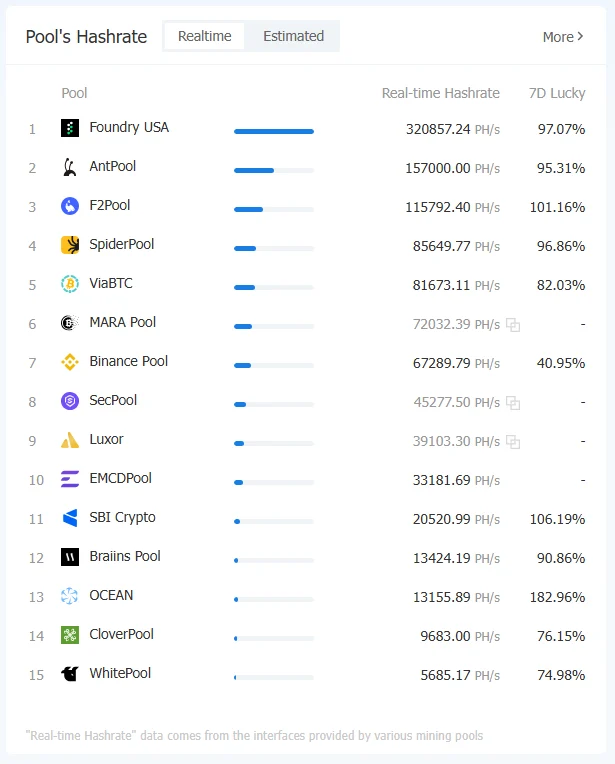
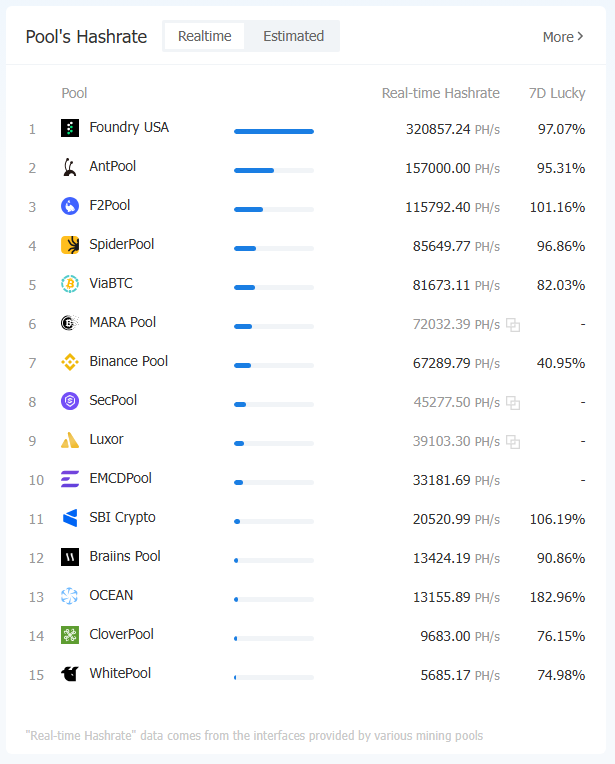
The 20 millionth coin was mined by Foundry USA, currently one of the most significant mining pools globally. Their successful verification of block 939,999 highlights the massive industrial scale that Bitcoin mining has achieved since the early days of personal computer mining. What began as a hobby for cypherpunks has evolved into a global, multi-billion-dollar infrastructure project, essential for the security of a global settlement layer.
The Scarcity Paradox: Lost Coins and Illiquidity
While the network has "created" 20 million coins, the practical reality of Bitcoin’s circulating supply is significantly lower. According to extensive research from blockchain analytics firms such as Chainalysis and River Financial, the supply available for actual commerce is constricted by millions of lost or inaccessible units.
Current estimates suggest that between 2.3 million and 3.7 million BTC are effectively removed from the economy forever. This "digital graveyard" is comprised of several distinct categories:

- Lost Private Keys: From the network’s inception, users who failed to back up their wallet files—or who discarded hard drives containing thousands of BTC—have permanently locked their holdings.
- Early Era "Satoshi-era" Coins: Approximately 1.8 million coins were mined during the first few years of the protocol’s existence. Many of these coins were held by early adopters who never anticipated the asset’s eventual valuation and failed to secure their wallets.
- Unspendable Outputs: A subset of early transactions was coded with scripts that, due to protocol quirks or errors, are technically impossible to spend, effectively acting as "black holes" in the blockchain.
When these figures are subtracted from the 20 million total, the "effective" supply of Bitcoin is arguably closer to 17 million. This realization creates a scarcity paradox: while the market price is influenced by the 20 million figure, the reality of liquidity is dictated by a much smaller, finite pool of active coins.
Implications for Miners: The Revenue Sustainability Challenge
As the network approaches its terminal supply, the primary concern for the Bitcoin ecosystem shifts from issuance to security. Bitcoin’s security is maintained by miners, who expend massive amounts of energy to solve complex cryptographic puzzles. Historically, they have been incentivized by the "block subsidy"—the newly minted Bitcoin rewarded to the miner who wins the block.
However, the halving mechanism creates a long-term revenue problem. Because the subsidy is cut by 50% every four years, the amount of new Bitcoin entering the market is shrinking. By the 2040s, daily issuance will drop below 30 BTC; by the 2060s, it will fall below 2 BTC.
The Transaction Fee Transition
Once the block subsidy approaches zero, the security of the network will rely entirely on transaction fees. Whether these fees will be sufficient to incentivize miners to keep the network secure remains the subject of intense debate among developers and economists.
"We are entering an era where the security budget must be subsidized by the utility of the network," notes a lead analyst at a prominent crypto-focused research firm. "If Bitcoin becomes a primary settlement layer for high-value transactions, the fee market could theoretically support the network. If it remains a stagnant store of value, the cost-benefit analysis for miners becomes precarious."
Macroeconomic Context and Market Sentiment
The 20 millionth milestone arrives at a complex time for the asset. With Bitcoin trading near $69,282—a decline of roughly 21% year-to-date—the market is currently digesting a combination of macroeconomic headwinds, geopolitical instability, and shifting regulatory attitudes.
Despite this volatility, the network continues to function with 100% uptime, processing transactions without bias or intervention. The 3.44% gain over the past week, even in the face of broader market uncertainty, reflects a persistent confidence in Bitcoin’s fundamental value proposition: a strictly limited supply that cannot be debased by central banks.
Looking Toward 2140
With only 1 million coins remaining to be mined, the industry is already looking toward the next decade. The next halving, scheduled for April 11, 2028, will reduce the block reward to 1.5625 BTC, further tightening the supply side of the equation.
The road from here to 2140—the year the final satoshi is expected to be mined—is a long one. It will be characterized by technological upgrades, such as Layer-2 solutions (like the Lightning Network) intended to increase transaction volume and, by extension, fee revenue for miners.
As the 20 millionth coin sits in a wallet on the blockchain, it serves as a testament to the endurance of Satoshi Nakamoto’s vision. The project has moved from a fringe experiment to a global asset class, and while the "easy" mining days are long behind us, the most critical test for Bitcoin—its ability to remain secure in a zero-subsidy future—is only just beginning.
The digital gold rush is far from over, but the nature of the quest has irrevocably changed. The final 1 million coins will take 114 years to enter circulation, a slow, deliberate trickle that ensures Bitcoin remains the most predictable, transparent, and scarce monetary instrument ever devised by human hands.