The Illusion of Liquidity: Why Wash Trading Remains Crypto’s Persistent Shadow
In the fast-paced, 24/7 world of digital assets, volume is often perceived as the heartbeat of the market. It suggests liquidity, interest, and the presence of "smart money." However, according to Bobby Ong, co-founder of the prominent crypto data aggregator CoinGecko, that heartbeat is increasingly artificial. As the industry matures, the pervasive issue of wash trading—a manipulative practice designed to inflate trading activity—is not receding; it is evolving.
The Anatomy of Wash Trading: A Deceptive Practice
Wash trading is a sophisticated form of market manipulation. In its simplest form, it involves an entity simultaneously acting as both the buyer and the seller of a financial asset. By trading with oneself, the manipulator creates a mirage of high volume and liquidity without ever changing the beneficial ownership of the asset.
For a retail investor browsing a market data site, this activity is indistinguishable from genuine trade. An exchange might report hundreds of millions of dollars in 24-hour volume for a relatively obscure token, signaling to unsuspecting traders that the asset is highly liquid and "trending." In reality, this activity is often automated via bots, designed to lure unsuspecting investors into a pump-and-dump scheme or to artificially boost the exchange’s ranking on aggregator sites.
A Chronology of Transparency Struggles
The battle for data integrity in the cryptocurrency space has been a multi-year struggle that mirrors the evolution of the industry itself.
- The Early "Wild West" (2013–2017): During the initial crypto boom, exchanges were largely unregulated. Many platforms offered zero-fee trading, a breeding ground for wash trading, as there was no financial friction to prevent high-frequency automated trades.
- The Transparency Crisis (2018–2019): Reports began to surface, most notably from firms like Bitwise Asset Management, suggesting that up to 95% of reported trading volume on unregulated exchanges was fake. This realization sent shockwaves through the industry, forcing data aggregators to rethink their metrics.
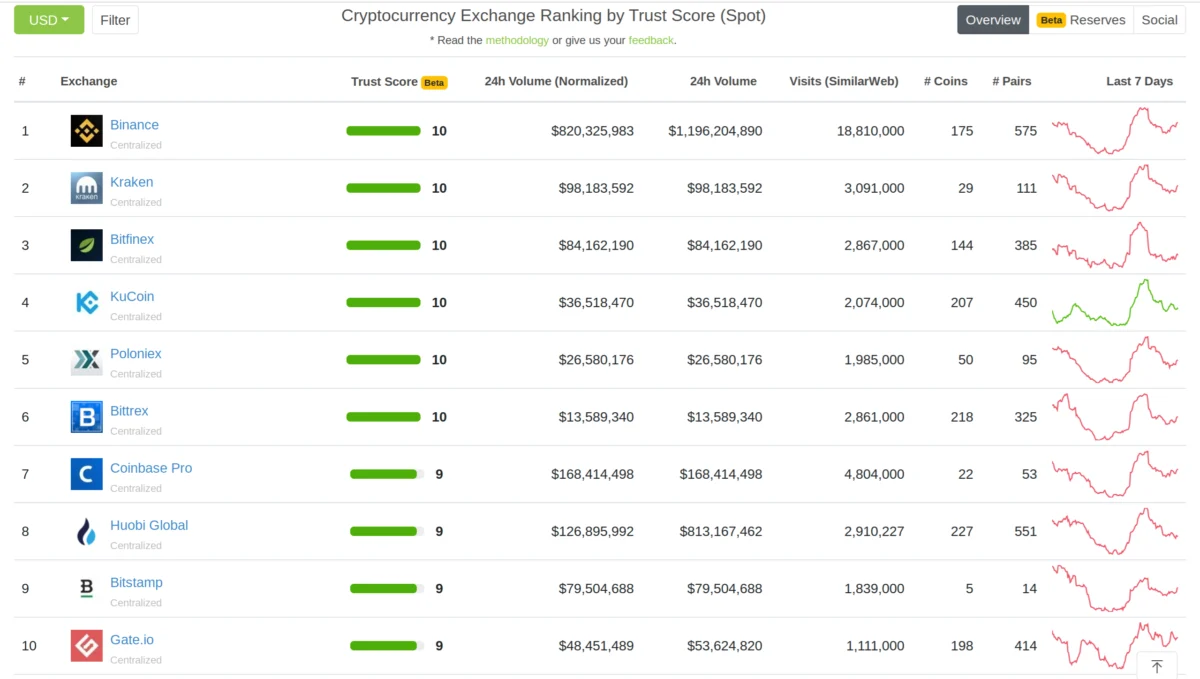
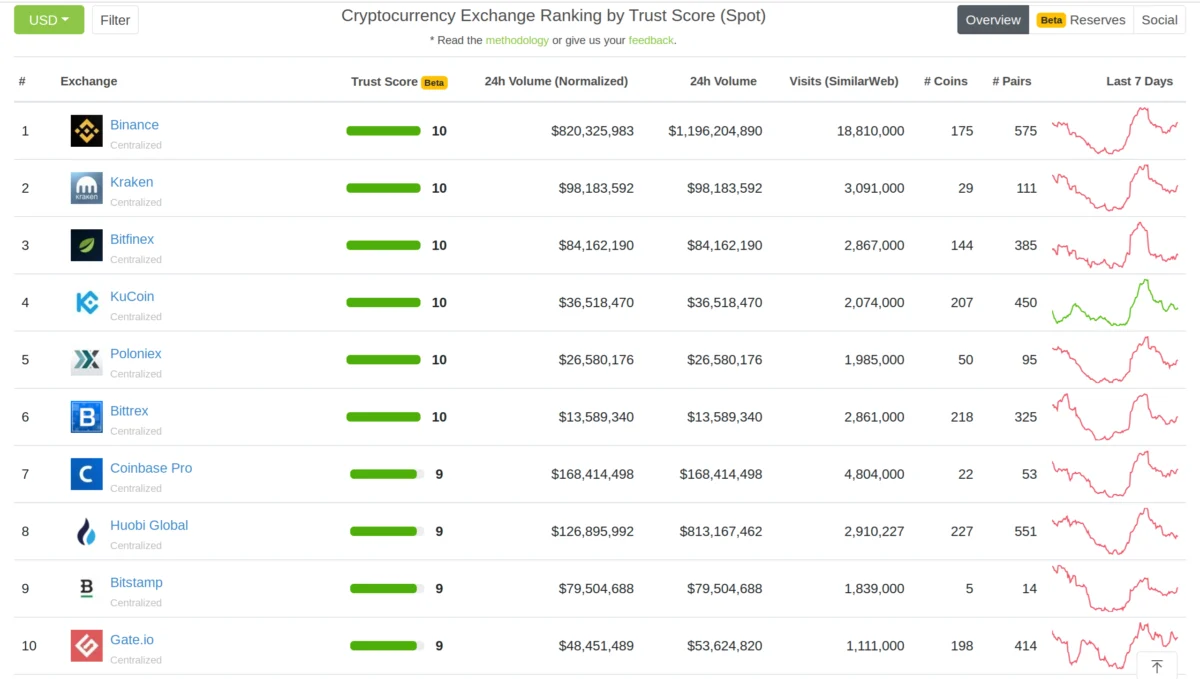
- The Pivot to "Trust Scores" (2019–Present): In response to the crisis, platforms like CoinGecko moved away from relying solely on reported volume. They introduced multi-factor algorithms, such as CoinGecko’s "Trust Score," to provide a more holistic view of an exchange’s health.
The Expert Perspective: Bobby Ong on Market Integrity
In a recent interview with BlockTV, Bobby Ong offered a sobering assessment of the current landscape. Despite increased scrutiny, he argues that the problem of wash trading is worsening rather than improving.
"The trading volume for the spot market is almost close to not being used as a trusted source anymore," Ong remarked. He emphasizes that the sheer number of exchanges engaging in deceptive volume reporting makes it nearly impossible for the average investor to discern legitimate market activity from fabricated noise.

Ong identifies a clear divide in the industry: the regulated versus the non-regulated. According to him, the only reliable data points reside within jurisdictions with robust regulatory oversight. "If you really want to get real 24-hour trading volume, I think the only real way is to look at volume from regulated exchanges such as those in the US, in Japan—those licensed exchanges," Ong stated, citing entities like Coinbase and Gemini as benchmarks for transparency.
Supporting Data: Why Volume Alone is a Flawed Metric
For years, the crypto industry relied on a single, flawed metric: total 24-hour reported volume. This metric is easily gamed. To counter this, industry leaders have developed more sophisticated methodologies to filter out the noise.
The Multi-Factor Approach
Modern transparency metrics, such as the CoinGecko Trust Score, utilize a weighted approach to evaluate an exchange’s legitimacy:
- Reported Volume: This remains a baseline but is now significantly de-prioritized.
- Web Traffic: High-volume exchanges should logically have high levels of user traffic. If an exchange claims billions in volume but has negligible web traffic, it serves as a red flag for wash trading.
- Order Book Depth: Genuine liquidity is visible in the order book. A healthy exchange will show a tight "spread" between buy and sell orders, indicating that large trades can be executed without massive price slippage.
- Security and Operational Standards: Factors such as cold storage practices, regulatory compliance, and history of security incidents are now factored into the overall "trust" assessment.
By cross-referencing these data points, researchers can often identify exchanges that report massive volumes on specific pairs while maintaining empty order books or low web engagement—a classic hallmark of synthetic liquidity.
The Regulatory Dilemma
The divide Ong identifies is rooted in the regulatory landscape. In the United States, exchanges like Coinbase and Kraken operate under strict "Money Transmitter" licenses and must adhere to rigorous reporting standards. Wash trading on these platforms is heavily penalized and closely monitored by both internal compliance teams and government regulators like the SEC or CFTC.
Conversely, exchanges operating in offshore jurisdictions with lax oversight face few consequences for inflating their numbers. For these platforms, the cost of being caught is often lower than the benefit of attracting capital through the appearance of high liquidity. This creates an uneven playing field where compliant exchanges are often unfairly ranked lower than their manipulative counterparts on legacy data sites that fail to filter for fraud.
Implications for the Retail and Institutional Investor
The persistence of wash trading has profound implications for the maturation of the cryptocurrency market.
For the Retail Investor
The primary risk is the "liquidity trap." An investor may be lured into a token that appears to have massive demand, only to find that when they attempt to sell, there are no actual buyers on the other side of the order book. This leads to severe slippage and financial loss. Investors are increasingly advised to utilize "Trust Scores" and stick to exchanges with high transparency ratings.
For the Institutional Investor
Institutions require clean data for risk management and algorithmic trading. Because institutional investors cannot afford to base their models on fake volume, they gravitate toward regulated venues. This "institutional flight to quality" is helping to create a bifurcated market: a transparent, high-liquidity tier and a shadow market characterized by opacity and manipulation.
Conclusion: Toward a More Transparent Future
The crypto industry is currently at an inflection point. While wash trading remains a significant hurdle, the tools to combat it are becoming more effective. The move toward multi-metric trust systems, combined with a tightening global regulatory net, is slowly squeezing out bad actors.
However, as Bobby Ong’s warnings remind us, the onus remains on the investor. In an industry built on the principle of "don’t trust, verify," market participants must apply that same rigor to the data they consume. Until the day that global standards for volume reporting are enforced, investors must look beyond the top-line numbers and scrutinize the underlying health of the exchanges they use.
Disclaimer: Opinions expressed at The Daily Hodl are not investment advice. Investors should do their due diligence before making any high-risk investments in Bitcoin, cryptocurrency, or digital assets. Please be advised that your transfers and trades are at your own risk, and any losses you may incur are your responsibility. The Daily Hodl does not recommend the buying or selling of any assets including cryptocurrencies, nor is The Daily Hodl an investment advisor. Please note that The Daily Hodl participates in affiliate marketing.