Institutional Flight: How Geopolitical Tariff Volatility Reset the Crypto Market
The digital asset landscape is currently grappling with a significant period of institutional volatility. According to the latest Digital Asset Fund Flows Weekly Report published by CoinShares, the crypto sector has witnessed a dramatic retreat of institutional capital. This downturn, triggered by the macroeconomic ripple effects of President Donald Trump’s recent trade policies, has effectively wiped out the vast majority of year-to-date (YTD) inflows, forcing a structural recalibration of investor sentiment.
Main Facts: The Great Institutional Pullback
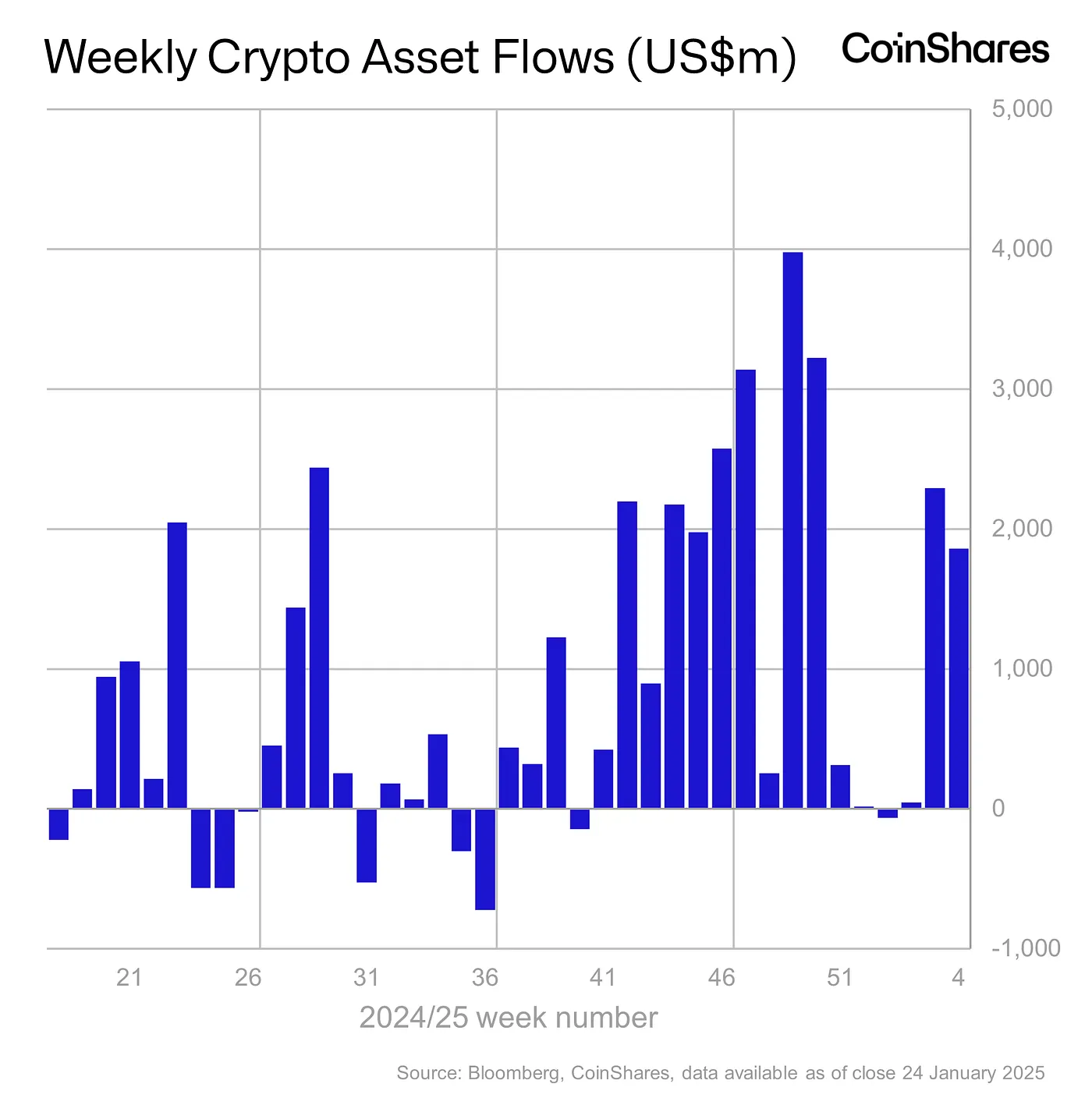
The data provided by CoinShares paints a stark picture of the current market climate. Institutional investors, typically viewed as the "smart money" providing stability to the digital asset ecosystem, have engaged in a three-week streak of sustained outflows. This period of selling culminated in a massive $795 million withdrawal from crypto-focused investment products last week alone.
The primary catalyst for this exodus, as identified by market analysts, is the heightened tension surrounding President Trump’s recent tariff implementations. Described by market observers as "calamitous," these trade barriers have created a climate of geopolitical and economic uncertainty that has sent risk-off sentiment cascading through traditional and digital finance sectors alike.
The cumulative effect of this sentiment shift has been severe. Since the onset of this trend in early February, the market has seen record-breaking outflows totaling $7.2 billion. This massive divestment has essentially neutralized the optimism of early 2024, leaving net year-to-date inflows at a mere $165 million—a fraction of the momentum seen just two months ago.
A Chronology of the Tariff-Driven Sell-Off
To understand the current state of the market, one must look at the timeline of events that led to this systemic shift in capital flow.
Phase 1: The February Sentiment Shift
At the start of February, institutional confidence began to waver. As reports of impending tariff hikes gained traction in global media, the initial reaction within the institutional crypto community was a pivot toward liquidity. Investors began trimming exposure to volatile assets, signaling a defensive posture against potential trade war fallout.
Phase 2: The Mid-Spring Capitulation
By April, the situation had intensified. The tariff narrative shifted from a potential economic hurdle to a perceived immediate threat to global trade health. Between April 8 and the middle of the month, assets under management (AuM) for digital asset products plunged, hitting their lowest levels since November 2024. During this period, the selling pressure was broad, affecting not just the market leader, Bitcoin, but also established altcoins and DeFi-focused protocols.
Phase 3: The Temporary Reversal and Rebound
The narrative took a sudden turn when President Trump announced a temporary reversal of certain tariff measures. This policy pivot provided an immediate, albeit volatile, reprieve for the markets. Following the news, crypto markets experienced a late-week price surge, allowing total assets under management to recover to $130 billion—a notable 8% increase from the mid-April lows. However, analysts warn that this recovery is fragile and remains highly sensitive to any future shifts in trade policy.
Supporting Data: Dissecting the Asset Breakdown
The outflow of $795 million was not evenly distributed across the board. Institutional investors were highly selective in their shedding of assets, revealing a clear hierarchy of risk aversion.
Bitcoin and Ethereum: The Primary Targets
Bitcoin (BTC) bore the brunt of the institutional liquidation. As the largest digital asset, it is often the first to be sold when institutional portfolios need to raise cash quickly. Last week, Bitcoin products saw a staggering $751 million in outflows.
Ethereum (ETH), the second-largest asset by market capitalization, also suffered, though to a lesser extent, with $37.6 million in outflows. The consistent selling pressure on these two assets highlights a broader trend: when trade war fears peak, institutions prioritize deleveraging from the largest, most liquid assets to protect capital.
Mid-Cap and DeFi Tokens
Smaller assets and decentralized finance (DeFi) protocols were not immune. Solana (SOL), AAVE, and SUI products saw outflows of $5.1 million, $0.78 million, and $0.58 million, respectively. These figures, while smaller in absolute terms compared to BTC, represent significant capital shifts for these specific ecosystems.

The Outliers: Niche Altcoin Resilience
Interestingly, the data reveals a divergence in investor behavior. While major assets were being offloaded, some altcoins experienced minor inflows, suggesting that certain investors are utilizing the volatility to rotate into specific, high-conviction projects.
- XRP: Led the pack with $3.5 million in new inflows.
- Ondo, Algorand, and Avalanche: These assets also saw modest positive movement, recording $0.46 million, $0.25 million, and $0.25 million in inflows, respectively.
This nuance suggests that while the "macro" trade is currently bearish due to tariff fears, there remains a layer of "micro" investment activity that is decoupled from broad economic sentiment.
Official Responses and Economic Implications
The interplay between trade policy and cryptocurrency is a relatively new phenomenon, yet it is quickly becoming a primary concern for institutional asset managers.
The "Calamitous" Tariff Impact
The term "calamitous," used in reports regarding the tariff wars, underscores the severity with which the financial sector views current protectionist policies. Economists argue that tariffs increase input costs, reduce global supply chain efficiency, and ultimately lead to inflationary pressures. For institutional investors, crypto—often touted as a hedge against inflation—becomes a "risk-on" asset that loses its appeal when interest rates rise or trade stability crumbles.
The Fragility of Institutional Confidence
The rapid rebound to $130 billion in AuM following the tariff reversal indicates that the crypto market is primed for growth, but it is currently held hostage by external policy decisions. The fact that $7.2 billion was pulled from the market in such a short window demonstrates that institutional investors are currently lacking the long-term conviction to "hold through the noise."
Instead, these players are exhibiting a "swing-trading" mentality. They are quick to enter when policy appears favorable and even faster to exit when geopolitical rhetoric intensifies. This behavior creates heightened volatility, which in turn scares away more conservative institutional participants, creating a cycle of instability.
Looking Forward: What Lies Ahead for Digital Assets?
The immediate future of the crypto market depends heavily on the consistency of U.S. trade policy. If the current administration continues to vacillate between tariff enforcement and reversal, the market can expect continued, erratic capital flows.
The Need for Macro-Stability
For the crypto industry to mature, it requires a period of relative macroeconomic calm. Institutional capital prefers predictability. As long as digital assets are viewed as a barometer for trade-war sentiment, their utility as a store of value will be overshadowed by their performance as a speculative vehicle.
Investor Strategy in a Tariff-Heavy Environment
Investors are being advised to exercise extreme caution. The CoinShares data suggests that the "buy-the-dip" strategy, while successful in previous cycles, is currently being tested by the structural headwinds of a changing global trade order. As the market enters the next quarter, focus will likely remain on whether the $165 million in net YTD inflows can be sustained or if the market will slip back into a net-negative position for the year.
Conclusion
The institutional flight from crypto products is a clear warning that the digital asset class remains tethered to the broader global economy. While the recent rebound provides a temporary sense of relief, the underlying forces—specifically the tariff-driven economic instability—remain active. Whether the market can decouple from this narrative remains the central question for the remainder of 2024. Investors should prepare for continued volatility and prioritize due diligence in an environment where geopolitical headlines hold as much weight as technical price action.
Disclaimer: This report is for informational purposes only and does not constitute financial, investment, or legal advice. Cryptocurrency investments involve significant risk, including the total loss of principal. Please consult with a qualified financial advisor before making any investment decisions. The Daily Hodl is not responsible for any financial losses incurred based on the information provided herein.