Bitcoin Crosses the 20 Million Milestone: 95% of All Coins Mined as the Long Countdown to 2140 Continues
By Financial & Crypto Desk
Published: March 2026
Main Facts
Cryptocurrency history was quietly made this past weekend when the Bitcoin network reached a monumental supply threshold. Miners successfully extracted the network’s 20 millionth coin, pushing humanity 95.24% of the way toward the ultimate, hard-coded limit of 21 million BTC.
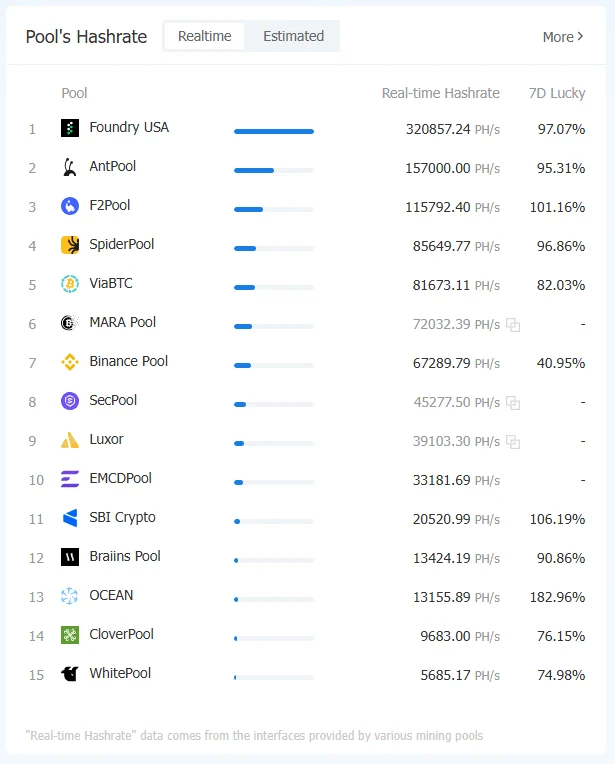
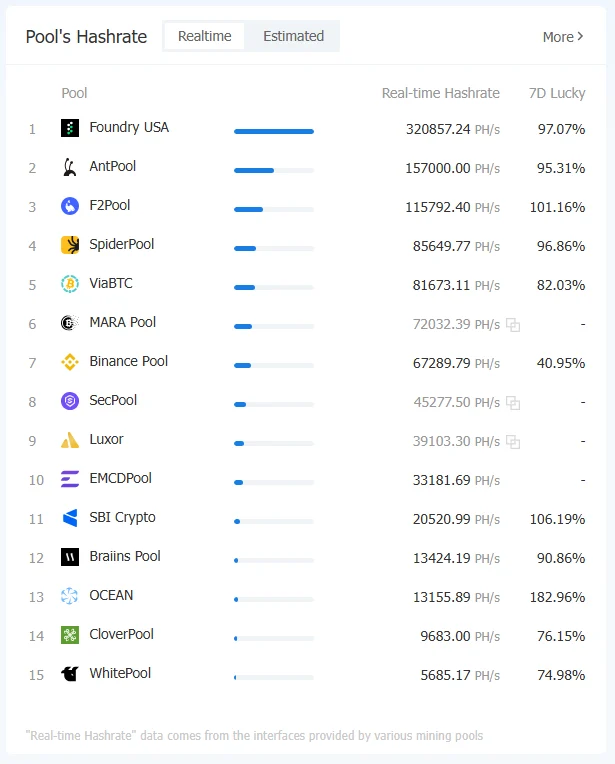
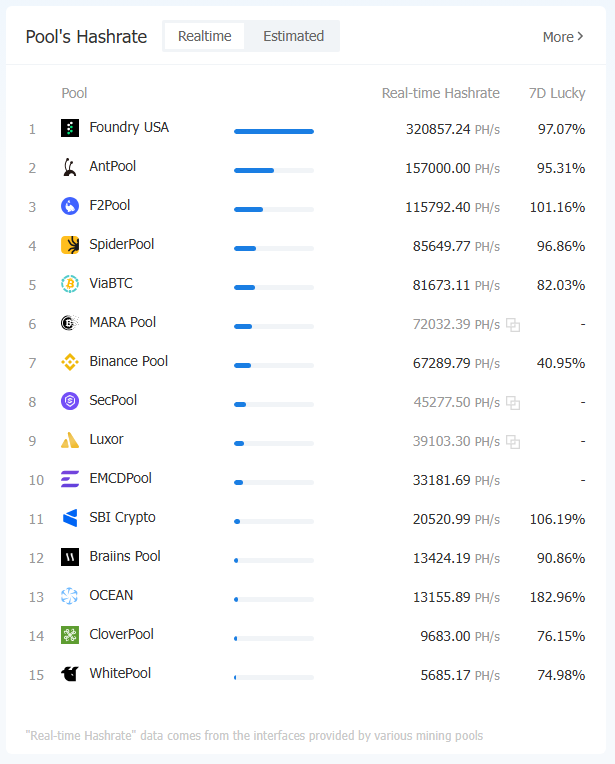
The milestone block—number 939,999—was solved by the major mining pool Foundry USA. For their computational effort, the pool collected the standard block reward of 3.125 BTC, a figure established by the network’s fourth halving event in April 2024.
This latest production milestone leaves just 1 million whole Bitcoins remaining to be minted over the next century and a half. While the final whole Bitcoin is projected to be mined sometime in the 2090s, the fractional issuance will continue at a diminishing rate until roughly 2140, when the very last satoshi (the smallest denomination of Bitcoin, equal to 0.00000001 BTC) is expected to be produced.
At the time of the milestone, Bitcoin was changing hands around $70,733, reflecting ongoing market volatility as the asset navigates macroeconomic headwinds, geopolitical tensions, and shifting institutional capital flows.
Chronology
To fully understand the gravity of the 20-million milestone, one must look back at the timeline of Bitcoin’s issuance schedule, which is governed by a strict, immutable algorithmic monetary policy designed by its pseudonymous creator, Satoshi Nakamoto.
- January 3, 2009: The Genesis Block is mined, introducing the world to decentralized digital scarcity and setting the block reward at 50 BTC per block.
- November 2012: The first halving cuts the block reward to 25 BTC. By this time, millions of coins had entered circulation, primarily acquired by a small group of cypherpunks, early developers, and hobbyist miners.
- July 2016: The second halving drops the reward to 12.5 BTC. Bitcoin begins transitioning from an obscure internet experiment into a global macro asset.
- May 2020: The third halving lowers the reward to 6.25 BTC amidst a global pandemic and unprecedented central bank money printing.
- April 2024: The fourth halving reduces the block subsidy to 3.125 BTC, cutting daily network production from 900 BTC down to roughly 450 BTC.
- Sunday (March 2026): Block height 939,999 is processed, yielding the 20 millionth Bitcoin. Exactly 17 years, two months, and one week have passed since the network’s inception.
- April 11, 2028 (Projected): The upcoming fifth halving is scheduled to cut the block reward in half once again, dropping it from 3.125 BTC to 1.5625 BTC per block.
- The 2040s and Beyond: Daily issuance will fall below 30 BTC in the 2040s and below 2 BTC per day by the 2060s.
- Circa 2140: The final satoshi is mined, bringing the total circulating supply to its absolute limit of 21,000,000 BTC.
Supporting Data
While the 20 million figure indicates that only 5% of Bitcoin’s supply remains to be generated, blockchain analytics firms reveal a crucial caveat: the circulating supply is drastically different from the accessible supply.

Data from industry analytics leaders River Financial and Chainalysis paints a sobering picture of permanent supply loss. Out of the 20 million coins mined to date, an estimated 2.3 million to 3.7 million BTC are permanently gone from circulation.
These coins have been lost to history through a variety of human errors and technical mishaps:
- Early Era Loss: Approximately 1.8 million coins were lost during Bitcoin’s foundational years (2009–2012). During this period, Bitcoin possessed virtually zero monetary value, and digital wallet security infrastructure was primitive. Hard drives were thrown away, laptops were discarded, and private keys were forgotten by pioneers who had no inkling of the asset’s future valuation.
- Unspendable Scripts: Roughly 230 BTC remain permanently locked in the original genesis block and early script outputs that were written in ways that render them cryptographically unspendable under current protocol rules.
- Lost Keys and Passwords: Ongoing losses continue to chip away at the supply, as holders pass away without leaving seed phrases, or inadvertently wipe hardware wallets.
When accounting for these permanent losses, the real-world, liquid supply available to institutional buyers, retail investors, and corporate treasuries is significantly lower than 20 million, intensifying the asset’s underlying supply crunch.
Official Responses and Industry Perspectives
The crossing of the 20-million threshold has drawn commentary from across the cryptocurrency, financial, and mining sectors.
Representatives from Foundry USA, the mining pool responsible for capturing the milestone block, highlighted the collective effort required to secure the network. "Reaching the 20 millionth coin is a testament to the resilience of the Bitcoin mining ecosystem," a representative noted. "Despite changing regulatory landscapes, shifting energy markets, and hardware evolutions, the global mining community has kept the network secure and operational 24/7 for over 17 years."
Macroeconomic analysts have also weighed in on the psychological impact of the milestone. Traditional financial institutions that have recently launched spot Bitcoin exchange-traded funds (ETFs) view the scarcity metric as a primary value proposition.
"Central banks can print fiat currency ad infinitum to combat economic shocks, but Bitcoin’s mathematical boundary is absolute," noted a senior strategist at a digital asset wealth management firm. "Hitting 20 million coins serves as a stark reminder to institutional allocators that we are running out of unmined supply at a time when global demand for hard assets is accelerating."
Implications
The transition from a high-emission growth phase to the final 1 million coins carries profound structural implications for the future of the Bitcoin network, its miners, and its investors.
1. The Long-Term Miner Revenue Dilemma
The most critical challenge facing Bitcoin as it approaches its terminal supply limit is the "subsidy cliff." Historically, miners have relied primarily on the block reward (the newly minted Bitcoin created with every valid block) to cover their massive overhead costs, including electricity, cooling infrastructure, and application-specific integrated circuit (ASIC) hardware.
However, as the block reward halves every four years, this subsidy shrinks exponentially:
- Daily issuance will drop below 30 BTC by the 2040s.
- Issuance will fall below 2 BTC per day by the 2060s.
Once the block subsidy approaches zero near the year 2140, miners will be entirely dependent on transaction fees—paid by users to have their transfers processed—to remain profitable. Whether transaction fee volume on layer-1 or layer-2 solutions (such as the Lightning Network) will generate enough revenue to secure a multi-trillion-dollar network remains one of the most fiercely debated topics in computer science and economics. If fee markets fail to sustain high levels of hash rate security, the network could theoretically become more vulnerable to sophisticated attacks, though most cryptographers believe economic incentives will naturally align to support a robust fee market.
2. Extreme Illiquidity and Price Dynamics
With 95.24% of all Bitcoins already extracted—and a substantial portion of those permanently lost—the remaining 1 million coins will enter the market at a glacial pace over the next 114 years.
Economics 101 dictates that when supply growth slows down drastically while demand remains constant or increases, upward price pressure is inevitable. As corporations, sovereign wealth funds, and retail investors continue to accumulate Bitcoin as a digital reserve asset, the dwindling available float could lead to unprecedented levels of market volatility and price appreciation. A "supply shock" of historic proportions is slowly unfolding in real-time.
3. Geopolitical and Energy Integration
As the window for mining new Bitcoin narrows, the competition for the remaining 1 million coins is intensifying. Mining operations are increasingly forced to become hyper-efficient, seeking out stranded energy, utilizing flare gas from oil fields, and integrating with renewable energy grids to drive down operational costs. Over the coming decades, Bitcoin mining is expected to evolve into a primary load-balancing tool for global electrical grids, bridging the gap between heavy energy production and digital finance long before the final satoshi is minted in 2140.