The Illusion of Liquidity: Why Wash Trading Continues to Plague the Crypto Ecosystem
The cryptocurrency market, once heralded for its radical transparency and decentralized ethos, is currently grappling with a persistent and insidious problem: wash trading. As the digital asset space matures and attracts institutional capital, the integrity of market data has become a focal point of intense scrutiny. Bobby Ong, co-founder of the prominent market data aggregator CoinGecko, recently sounded the alarm, suggesting that the practice of inflating trading volumes is not only persisting but, in many corners of the industry, actually worsening.
The Anatomy of Wash Trading: Fabricating Market Depth
Wash trading is a manipulative practice designed to deceive investors by creating a false sense of demand and liquidity for a particular financial instrument. By simultaneously buying and selling the same asset—or executing trades through colluding accounts—an exchange or a malicious actor can simulate high-frequency activity where none exists.
For the average retail trader, this activity is particularly dangerous. High trading volume is often interpreted as a sign of a healthy, liquid market where assets can be entered and exited with minimal "slippage." When an exchange artificially inflates these figures, it lures unsuspecting investors into a liquidity trap. If a platform reports millions in daily volume but lacks legitimate order book depth, an investor attempting a significant trade may find that the market is far thinner than advertised, leading to unfavorable execution prices or, in extreme cases, the inability to liquidate positions during periods of high volatility.
A Chronology of Deception: From Early Exchanges to Modern Platforms
The history of wash trading in crypto is nearly as old as the industry itself.
- The Early Era (2013–2016): As the first wave of retail interest hit exchanges like Mt. Gox and early Chinese platforms, the incentive to attract volume became apparent. With little regulatory oversight, exchanges began competing for top rankings on early coin-tracking sites, leading to the first documented instances of automated bot trading designed to manufacture volume.
- The 2017 ICO Boom: During the parabolic rise of 2017, thousands of new tokens flooded the market. Many smaller, obscure exchanges used wash trading as a primary marketing tool to lure in projects willing to pay "listing fees" in exchange for high-volume exposure.
- The 2019 Transparency Push: By 2019, the industry faced a reckoning. Reports from various blockchain analytics firms suggested that as much as 90% of reported volume on many exchanges was entirely fake. This period saw the rise of more sophisticated data aggregators, including CoinGecko, which began to challenge the "volume-only" metric that had dominated the industry for years.
- The Current Landscape: Today, while institutional-grade exchanges have implemented rigorous surveillance, the "Wild West" of decentralized and unregulated exchanges continues to harbor high levels of manipulative activity, making it difficult for traders to discern real market sentiment from synthetic noise.
The Verdict: Bobby Ong’s Assessment
In a candid interview with BlockTV, Bobby Ong highlighted the stark reality of the current data landscape. According to Ong, the spot market has become increasingly unreliable as a source of truth for traders.
"I would say that the situation is actually getting worse," Ong remarked. "The trading volume for the spot market is almost close to not being used as a trusted source anymore. There are so many exchanges that are just wash trading that it’s ridiculous."

Ong’s solution is rooted in the shift toward institutional-grade infrastructure. He argues that traders should pivot away from unregulated, offshore entities and toward exchanges that operate under strict regulatory frameworks, such as those in the United States and Japan. By utilizing platforms like Coinbase or Gemini—which are subjected to regular audits and regulatory scrutiny—investors are more likely to interact with legitimate volume, though he acknowledges that for the rest of the market, the distinction remains frustratingly opaque.
Data-Driven Solutions: The "Trust Score" Paradigm
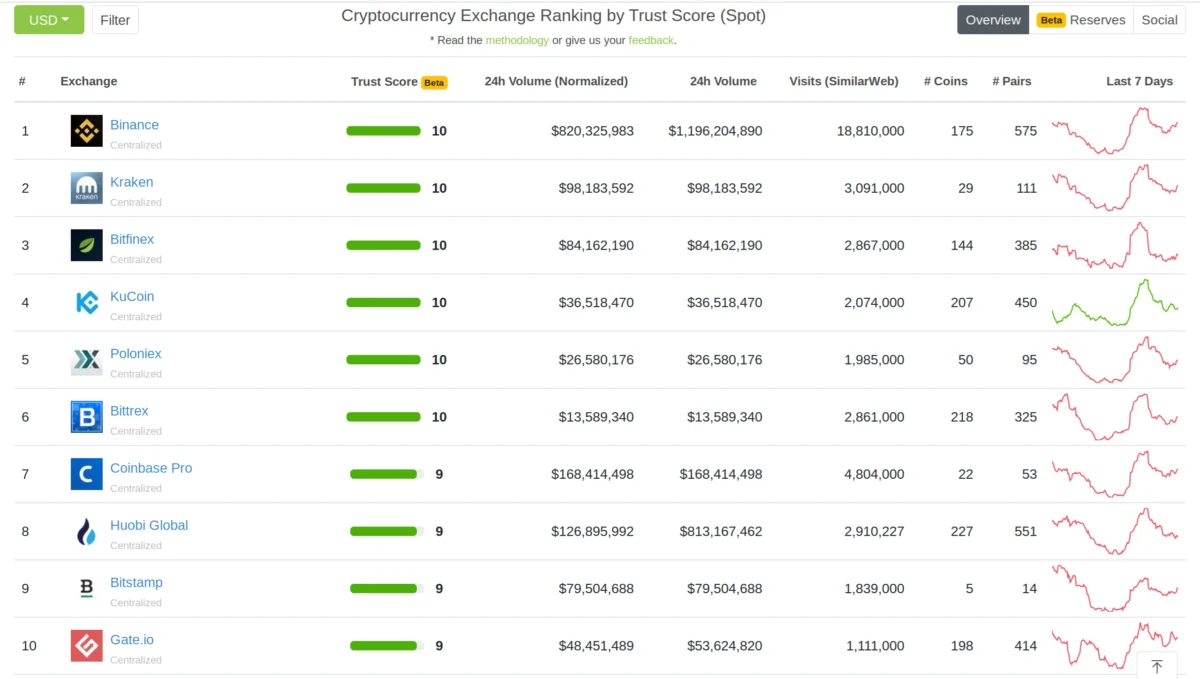
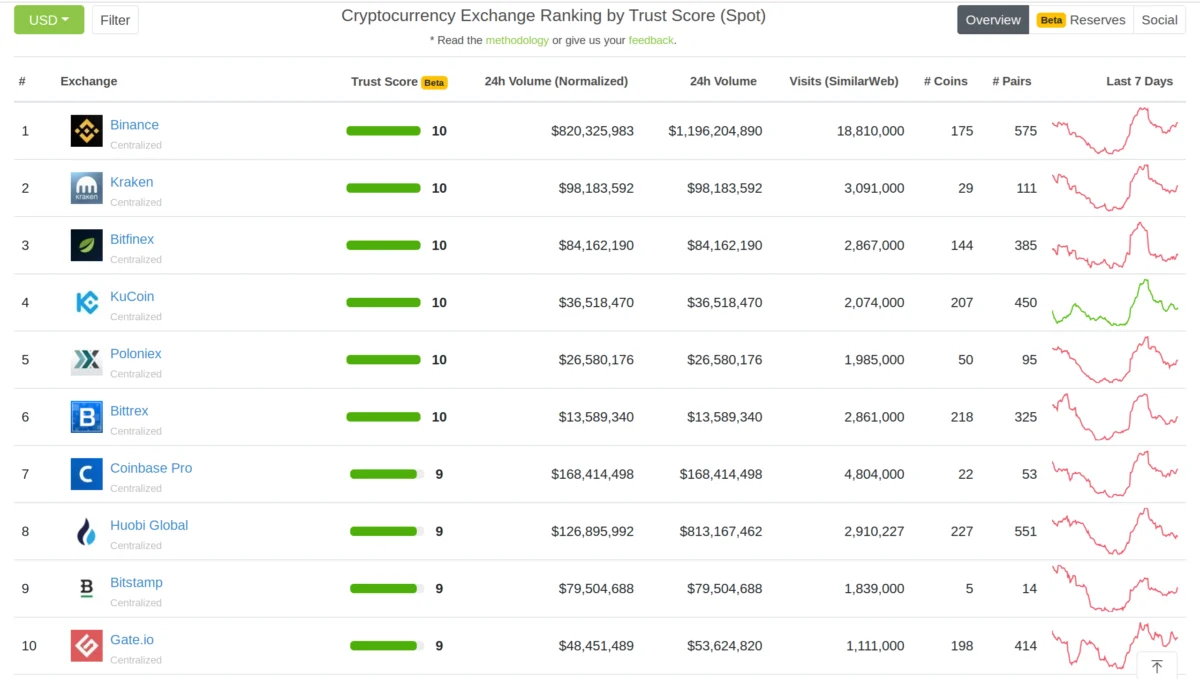
In response to the endemic nature of market manipulation, CoinGecko introduced its "Trust Score" metric. This move represented a fundamental shift in how the industry measures exchange legitimacy. Rather than relying solely on the self-reported volume figures that can be easily gamed by bots, the Trust Score utilizes a multifaceted algorithm:
- Reported Volume: While still a factor, it is no longer the sole determinant of an exchange’s ranking.
- Web Traffic: By analyzing unique visitors and time spent on exchange websites, CoinGecko can cross-reference volume against actual user engagement. If an exchange claims massive volume but has negligible web traffic, the Trust Score drops significantly.
- Order Book Depth: This is perhaps the most critical component. By examining the spread and the volume of bids and asks sitting on the order book, the algorithm identifies whether there is real capital ready to be traded.
- Liquidity Metrics: Assessing how well an exchange handles large orders provides a clearer picture of whether the reported volume is backed by genuine liquidity.
As of the latest industry snapshots, exchanges such as Binance and Kraken have maintained positions at the top of these rankings, indicating that their reported volumes align more closely with objective data points than their less-transparent counterparts.
Regulatory Implications and Market Evolution
The implications of persistent wash trading extend beyond individual losses. It acts as a primary deterrent for institutional investors—such as pension funds, family offices, and traditional hedge funds—who require clean, verifiable data before allocating capital.
The Role of Regulators
Regulators in jurisdictions like the US (SEC/CFTC) and Japan (FSA) have made clear that market manipulation is a violation of financial law. However, the borderless nature of crypto remains a challenge. When an exchange is based in a "regulatory haven," enforcing anti-manipulation rules is nearly impossible. Consequently, the industry is seeing a bifurcation: a move toward a "compliant" sector that offers transparency and security, and an "offshore" sector that remains prone to volatility and manipulation.
The Cost of Inaction
If the crypto industry fails to purge itself of wash trading, it risks permanent marginalization. For crypto to become a mature asset class, it must adhere to the same standards as the New York Stock Exchange or the Tokyo Stock Exchange. The existence of fake volume undermines the efficacy of price discovery, leading to inefficient markets where prices do not accurately reflect supply and demand.
Navigating the Market: A Guide for Investors
For the individual investor, the prevalence of wash trading necessitates a change in due diligence practices. Relying on a single price-tracker website is no longer sufficient.
- Verify the Source: Before depositing funds, check an exchange’s reputation through multiple data aggregators, including CoinGecko and others that offer transparency rankings.
- Observe the Order Book: Spend time watching the order book in real-time. Does the movement of the price correlate with the activity on the order book, or does it seem jumpy and artificial?
- Prioritize Regulation: If an exchange does not provide proof of reserves or operate under a known regulatory license, treat it with extreme caution.
- Diversify Platforms: Spread risk by using multiple reputable exchanges rather than concentrating assets on a single, unverified platform.
Conclusion: The Path to Market Maturity
The fight against wash trading is emblematic of the broader struggle for legitimacy within the cryptocurrency industry. While the presence of bad actors is an unfortunate reality of any burgeoning financial market, the tools to combat them are becoming more sophisticated.
As Bobby Ong and the team at CoinGecko have demonstrated, the industry no longer has to take reported volume at face value. By demanding greater transparency, utilizing robust metrics like the Trust Score, and migrating toward regulated venues, the crypto community can slowly squeeze out the manipulators. The journey toward a truly efficient and transparent market is long, but the technology that powers crypto—blockchain itself—is ultimately the greatest tool for ensuring the truth prevails over the illusion of liquidity.
Investors must remain vigilant, prioritize security over the promise of "high volume" or "low fees," and recognize that in the world of digital finance, information is the most valuable asset of all. As the sector continues to evolve, the distinction between transparent, compliant exchanges and those relying on artificial inflation will only become more pronounced, ultimately benefiting those who prioritize the integrity of the market.