Bitcoin Crosses the Rubicon: Network Mints Its 20 Millionth Coin, Leaving Just 1 Million Left to Discover
The final countdown for the world’s pioneer cryptocurrency has entered a new phase. Exactly 17 years, two months, and one week after the genesis block was mined in January 2009, the Bitcoin network crossed a monumental threshold on Sunday by pulling its 20 millionth coin into circulation.
The milestone means that 95.24% of the absolute 21 million Bitcoin supply cap has now been extracted. For every twenty coins mined over the past nearly two decades, only a single coin remains to be created. However, because of Bitcoin’s programmatic halving cycle, the final 1 million coins will take approximately 114 years to fully issue, with the last whole Bitcoin expected sometime in the 2090s and the final fractional satoshi projected for release around 2140.
While the milestone highlights the deflationary brilliance of Satoshi Nakamoto’s original design, it also casts a sharp light on the long-term economic realities facing the network, including permanently lost coins, shrinking miner block subsidies, and the shifting dynamics of global digital finance.
Main Facts
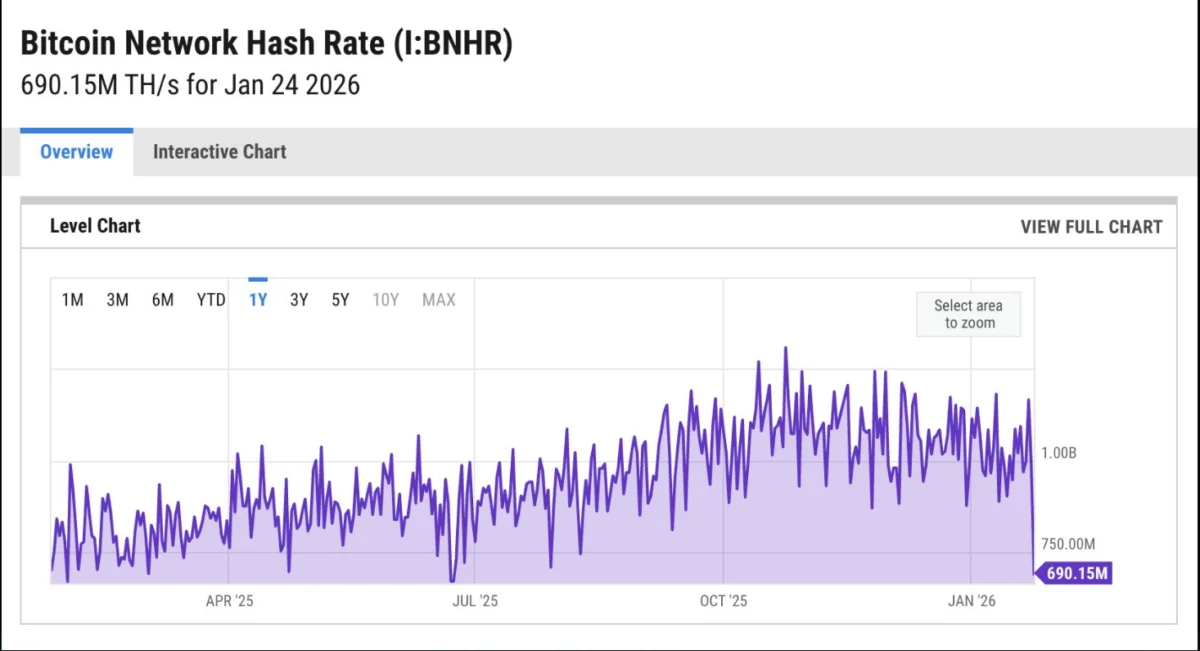
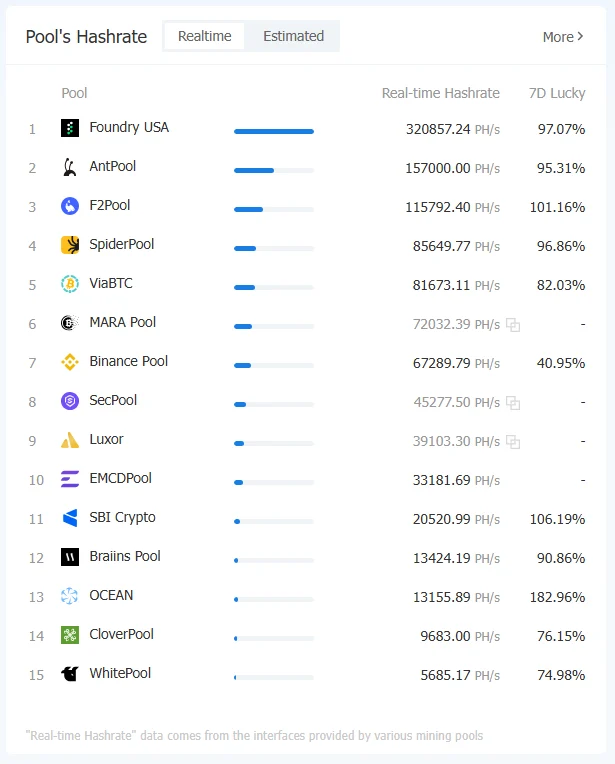
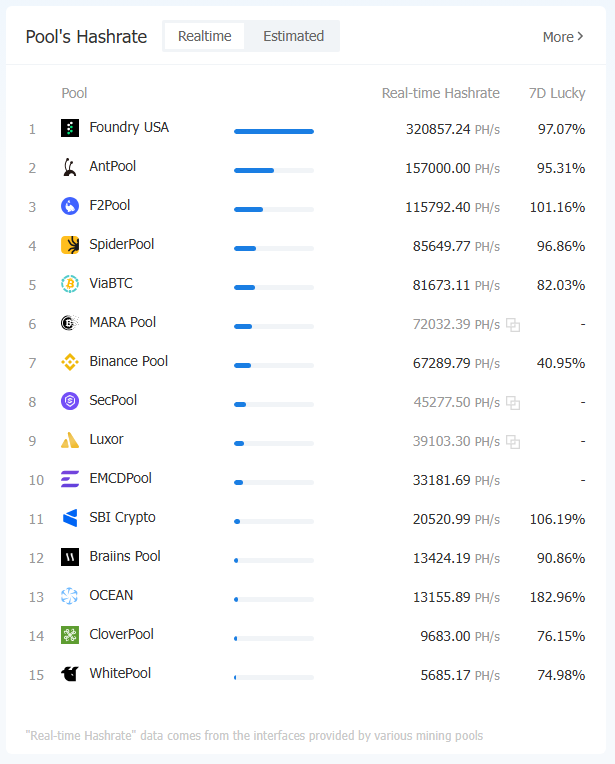
The landmark 20 millionth Bitcoin was secured by the Foundry USA mining pool at block height 939,999. The pool collected the standard block reward of 3.125 BTC, a figure established by the April 2024 halving event, which sliced daily network coin production from 900 BTC down to roughly 450 BTC.
Key takeaways from the milestone include:
- Circulating Supply: Exactly 20,000,000 BTC now exist out of the hard-coded 21,000,000 cap.
- Issuance Timeline: The remaining 1 million coins will be distributed over more than a century, with the final satoshi not expected to be mined until roughly 2140.
- The Reality of Lost Coins: Blockchain analytics firms estimate that between 2.3 million and 3.7 million of these mined coins are permanently inaccessible due to lost private keys, forgotten wallet passwords, and irretrievable early holdings.
- Market Context: The milestone arrived while Bitcoin traded around the $70,000 region, reflecting resilience amid macroeconomic headwinds and geopolitical uncertainties.
Chronology: From Genesis to the 20-Million Mark
To understand the magnitude of mining 20 million bitcoins, it is necessary to retrace the timeline of the world’s most successful decentralized asset.
2009–2012: The Era of Abundance
When pseudonymous creator Satoshi Nakamoto mined the Genesis Block on January 3, 2009, the reward for solving a cryptographic puzzle was a staggering 50 BTC per block. In these early years, mining could be performed on standard home computers using central processing units (CPUs), and later, graphics processing units (GPUs). Because Bitcoin had virtually no monetary value and zero commercial infrastructure, thousands of coins were easily mined, forgotten, or discarded on old hard drives.

2012–2020: The First Halvings and Institutional Awakening
In November 2012, the first-ever halving occurred, reducing block rewards to 25 BTC. Subsequent halvings in 2016 (to 12.5 BTC) and 2020 (to 6.25 BTC) steadily reined in the inflation rate. During this window, Bitcoin evolved from a cryptographic experiment into a global asset class, attracting retail speculators, early venture capital, and institutional interest. Yet, despite rising prices, the foundational code continued to steadily and predictably issue new supply every 10 minutes.
2024–2026: The Post-Halving Era and the 20-Million Milestone
The fourth halving in April 2024 reduced block rewards to 3.125 BTC. As processing power consolidated into industrial-scale data centers—exemplified by massive mining pools like Foundry USA—the network steadily marched toward block 939,999. On a Sunday in early 2026, that block was finally solved, pushing the total circulating supply to the 20 million mark.
Supporting Data: Where Are All the Coins?
While the ledger states that 20 million coins have been successfully mined and distributed, basic mathematics and blockchain forensics reveal a more nuanced picture. Not all minted coins are available to the market.
The Phenomenon of Lost Coins
According to comprehensive research reports from blockchain analytics firms River Financial and Chainalysis, a massive chunk of Bitcoin’s early supply is gone for good. Estimates suggest that between 2.3 million and 3.7 million BTC are permanently locked away.
- The Early Era Losses: Approximately 1.8 million coins were lost during Bitcoin’s first few years. In an era when a single Bitcoin was worth fractions of a cent, users regularly formatted hard drives, threw away old laptops, or misplaced private keys without a second thought.
- The Genesis Block Lock: Roughly 230 BTC associated with the original genesis block and early script outputs are fundamentally unspendable due to the unique coding structure implemented by Nakamoto.
- Deceased Holders: An unknown, yet significant, number of early adopters have passed away without leaving behind seed phrases or wallet recovery instructions for their heirs.
When subtracting these permanently lost coins from the 20 million total, the actual circulating supply available for trading, institutional investment, and long-term retail holding is dramatically lower. This structural illiquidity creates an intensive supply squeeze that underpins Bitcoin’s long-term bullish thesis.
Official Responses and Industry Perspectives
The crossing of the 20-million threshold drew commentary from across the cryptocurrency, financial, and mining sectors. Industry leaders weighed in on what this milestone signals for the future of digital money.
The Mining Sector View:
Representatives from major mining infrastructure providers emphasized the resilience of the network’s security model. A spokesperson for CloverPool noted: "Reaching 20 million coins is a testament to the immutable nature of the Bitcoin protocol. Despite massive technological leaps, regulatory shifts, and economic cycles, the code has executed flawlessly, block by block, exactly as intended."
The Macroeconomic Perspective:
Economists and traditional finance analysts have increasingly contrasted Bitcoin’s fixed 21-million cap with the unbounded expansion of fiat currency supplies. Financial strategist Elena Vance remarked: "While central banks can—and frequently do—print trillions of units of fiat currency to offset economic shocks, Bitcoin’s supply curve is completely divorced from human whim. Crossing the 20-million mark is a stark reminder that true scarcity cannot be replicated in the digital age by decree."
Implications: The Long-Term Future of Bitcoin
As the network enters the final phase of its primary coin distribution—with only 1 million coins left to be mined over the next century—profound structural questions emerge for the ecosystem.
1. The Miner Revenue Dilemma
The most pressing long-term challenge involves miner incentives. The same halving schedule that guarantees Bitcoin’s scarcity also systematically reduces block subsidies.
- By the 2040s, daily issuance will fall below 30 BTC.
- By the 2060s, daily issuance will drop below 2 BTC per day.
Eventually, the block reward will approach absolute zero. Once new coin issuance ceases entirely, transaction fees will become the sole compensation for miners securing the blockchain. Whether fee-based revenue will be sufficient to incentivize the massive global computing power required to protect the network remains one of the great open questions of cryptocurrency economics. Analysts generally believe that as adoption scales and Layer-2 networks (such as the Lightning Network) mature, aggregate transaction volume will generate robust, sustainable fee markets.
2. Extreme Scarcity and Market Dynamics
With 95.24% of all bitcoins already mined—and millions of those permanently lost—the marginal supply available to absorb new capital is shrinking rapidly. As global wealth managers, pension funds, and corporate treasuries increasingly view Bitcoin as "digital gold" and a premier hedge against currency devaluation, the battle for the remaining 1 million coins (plus the fractionals) is expected to trigger unprecedented supply dynamics.
3. The Road Ahead: The 2028 Halving
Even as the community reflects on this historical milestone, the network continues its relentless march forward. The next major programmatic event on the horizon is the next halving, scheduled for April 11, 2028. At that time, the block reward will drop again—this time from 3.125 BTC down to 1.5625 BTC per block—further tightening the daily influx of new coins into the global economy.
Conclusion
The mining of the 20 millionth Bitcoin is more than just a numerical milestone; it is a psychological and structural turning point. It demonstrates the unwavering reliability of a monetary system operating entirely on mathematics rather than trust. As Bitcoin enters its final million-coin era, the world is watching a historic financial experiment mature into an immutable, scarce digital anchor for the 21st century and beyond.