Marathon Digital Hits 25,000 BTC Milestone in August: A Masterclass in the ‘Full HODL’ Strategy
By the News Desk | Edited by Samuel Rae
Published: September 2026
Main Facts
Marathon Digital Holdings, one of the premier giants in the global public Bitcoin mining sector, has released its operational and financial production metrics for August. The headline figures are as striking as they are telling for the broader digital asset economy: Marathon successfully minted 670 Bitcoin over the course of the month, pushing its cumulative corporate treasury reserves to a staggering 25,000 BTC.
This milestone was achieved under the company’s strict and unyielding "full HODL" strategy—a policy wherein the firm refrains from liquidating its newly minted digital assets to cover operational overhead, opting instead to accumulate and hold the coins directly on its balance sheet.
In the contemporary macroeconomic climate, public-market cryptocurrency miners are no longer judged solely by their ability to generate raw hashrate. Investors, analysts, and institutional stakeholders now scrutinize a complex matrix of operational efficiency metrics. These include:
- Realized monthly production versus deployed hashrate
- Megawatt-hour power acquisition and energy cost structures
- Fleet uptime and hardware deployment efficiency
- Capital discipline, liquidity management, and treasury accumulation strategies
By reporting both strong monthly operational output and substantial balance sheet growth, Marathon Digital has provided the market with a clear snapshot of its dual identity: part industrial-scale infrastructure operator, part corporate Bitcoin treasury vehicle.
Chronology of the August 2026 Update
To understand the weight of Marathon’s August performance, one must look at how the company has structured its operational cadence throughout the year.
- Early August 2026: Marathon enters the final stretch of the third quarter facing a volatile global macroeconomic backdrop. Energy markets experience regional fluctuations, and global network difficulty hovers near historical highs, putting pressure on operating margins across the board.
- Mid-August 2026: The company’s engineering and site-operations teams maintain high fleet uptime across its distributed data center footprint. Machine optimization initiatives, coupled with strategic curtailment agreements with energy providers, allow Marathon to extract maximum value during peak efficiency windows.
- August 31, 2026: The operational period closes with a final tally of 670 BTC mined.
- Early September 2026: Marathon officially compiles and releases its August production figures via its Investor Relations platform, confirming that the cumulative treasury balance has crossed the monumental 25,000 BTC threshold. Financial markets immediately begin pricing in the implications of the firm’s unhedged exposure to the leading cryptocurrency.
Supporting Data and Operational Analysis
The intersection of raw production and treasury accumulation offers a fascinating case study in modern corporate finance. Let’s break down the data components that define Marathon’s current market standing.
1. Production Shows Operating Strength
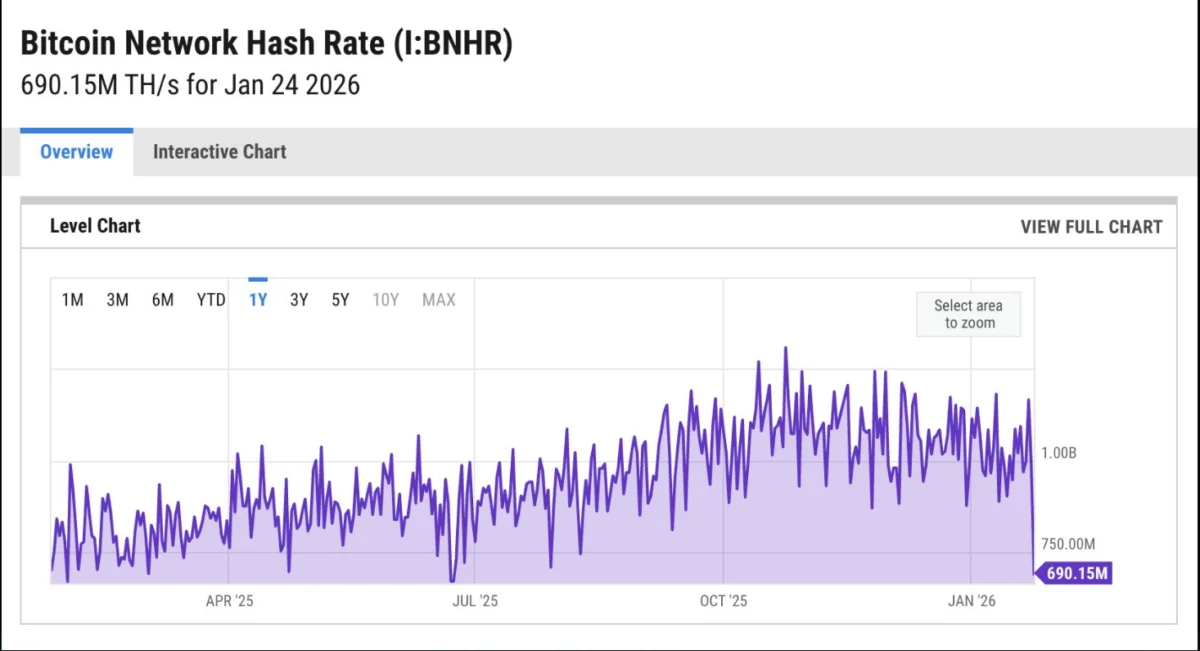
Monthly Bitcoin production remains the gold standard for evaluating a mining enterprise. While headline hashrate—the total computational power a company can direct at the network—is a useful metric for potential capacity, actual production reflects real-world performance.
Production accounts for variables that raw hashrate ignores, such as:
- Uptime and Maintenance: Unexpected hardware failures or cooling system outages that diminish output.
- Network Difficulty Adjustments: The algorithmic shifts that make it harder or easier to find blocks based on global participation.
- Geographical Energy Constraints: Curtailment protocols where miners shut off machines to stabilize local power grids during extreme weather events.
By securing 670 BTC in August, Marathon demonstrated that its infrastructure can withstand the friction of a highly competitive global market. However, industry analysts caution that output must always be weighed against the marginal cost of production. In an ecosystem where block rewards are fixed and competition is fierce, the winners are those who can lower their cost-to-mine metrics well below the prevailing spot price of Bitcoin.
2. The 25,000 BTC Treasury: A Double-Edged Sword
The crown jewel of Marathon’s August update is its 25,000 BTC treasury balance. Holding this magnitude of digital assets transforms the fundamental nature of the stock.
Under a full HODL strategy, Marathon effectively removes its monthly production from the liquid circulating supply. Instead of selling coins to pay for electricity, facility leases, and payroll—the traditional miner playbook—Marathon relies on alternative capital-raising mechanisms, equity offerings, or debt structures to fund operations.
This approach yields two distinct outcomes:
- Amplified Upside: When Bitcoin’s price appreciates, Marathon’s balance sheet swells dramatically. This offers equity investors a high-beta proxy for Bitcoin exposure wrapped inside a traditional brokerage account, frequently attracting institutional capital that cannot hold spot crypto directly.
- Heightened Volatility: Conversely, during market drawdowns, the company’s financial health and equity valuation become inextricably linked to the price action of a notoriously volatile asset class. If Bitcoin experiences a steep correction, Marathon’s valuation can suffer disproportionately compared to traditional industrial enterprises.
Official Responses and Stakeholder Perspectives
While corporate press releases deliver the hard numbers, the broader crypto-financial ecosystem has been swift to analyze the strategic motivations behind Marathon’s positioning.
Industry commentators and market strategists have increasingly pointed toward the "treasury vehicle" narrative. For years, micro-cap companies captured headlines by adopting aggressive Bitcoin-buying strategies. Today, major industrial miners with multi-billion-dollar market caps are institutionalizing that playbook on an unprecedented scale.
Executives at Marathon have consistently defended the full HODL stance by framing Bitcoin as a superior long-term corporate reserve asset. In past statements, leadership has emphasized that retaining ownership of the hard-earned digital commodity provides the firm with maximum optionality. Rather than locking in fiat currency during localized market slumps, Marathon is betting that its infrastructural endurance will allow it to build a generational treasury that outlasts macroeconomic turbulence.
Furthermore, energy partners and grid operators have praised large-scale miners for their flexibility. Marathon’s ability to dynamically scale down operations during high-demand energy hours—while still maintaining a profitable baseline production average—underscores the symbiotic relationship modern miners share with regional power grids.
Industry Implications: The Evolution of Public Miners
Marathon’s August 2026 update is more than a monthly scorecard; it is a bellwether for the entire digital asset mining sector. Several key industry implications emerge from these latest figures:
The Convergence of Mining and Treasury Management
Gone are the days when a Bitcoin miner could simply plug in ASICs (Application-Specific Integrated Circuits), collect block rewards, and immediately dump them on an exchange for fiat. Today’s public miners operate at the intersection of heavy industry, energy trading, and macro-treasury management. Companies that fail to master capital allocation and balance sheet strategy risk falling behind peers who treat their mined coins as foundational sovereign wealth.
Transparency and Nuance in Market Readings
Investors must exercise rigorous analytical discipline when interpreting monthly reports. A common pitfall is conflating production with liquid supply. As demonstrated by Marathon’s full HODL framework, 670 newly minted Bitcoin entering a corporate treasury does not equate to selling pressure on exchanges. Understanding this distinction is vital for market participants attempting to forecast near-term price direction and order-book liquidity.
Additionally, stakeholders must evaluate treasury valuations with a keen eye on real-time price fluctuations. Because Bitcoin trades 24/7/365 while traditional equity markets close, a treasury valued at a specific milestone on August 31 can shift millions of dollars in either direction within a matter of hours.
Looking Ahead
As the industry moves deeper into the second half of 2026, all eyes will remain fixed on Marathon Digital’s operational cadence. Market observers will be tracking several critical variables moving forward:
- Network Difficulty Trends: How global hash adjustments will impact per-unit production costs.
- Power Cost Dynamics: How seasonal energy shifts affect regional data center profitability.
- Treasury Discipline: Whether the company will stay true to its full HODL ethos through future macro cycles or if structural market pressures will test its resolve.
For now, Marathon Digital remains anchored firmly at the center of the public mining conversation—proving that industrial execution and aggressive balance sheet accumulation can coexist in the high-stakes arena of Bitcoin infrastructure.
This article draws on data and disclosures from Marathon Digital’s official August 2026 Bitcoin production update released via their Investor Relations platform.