Apple Rushes Emergency Patch for Critical Zero-Day Flaw Exploited to Target iPhone Crypto Wallets
SAN FRANCISCO — In an urgent security development verified on September 29, 2026, technology giant Apple Inc. has released an emergency software update to address a severe zero-day vulnerability actively being leveraged by sophisticated threat actors. According to security researchers and official corporate disclosures, the flaw has been weaponized in targeted attacks specifically designed to compromise cryptographic wallets stored on Apple iPhones, putting high-net-worth digital asset holders, institutional traders, and casual crypto enthusiasts at elevated risk.
The incident underscores the growing intersection between consumer device security and the decentralized finance (DeFi) ecosystem. As mobile devices increasingly serve as the primary gateway for interacting with blockchain protocols, decentralized applications (dApps), and self-custody wallets, they have become prime targets for state-sponsored hackers, cybercriminal syndicates, and opportunistic exploit developers.
Main Facts
The newly patched vulnerability affects the core operating system architecture of supported iPhone models. While Apple’s security engineers and threat intelligence partners have kept specific technical implementation details restricted to prevent copycat exploits before users can update their devices, preliminary incident reports reveal critical details regarding the attack vector:
- Nature of the Flaw: The zero-day vulnerability manifests as an advanced remote code execution (RCE) and privilege escalation flaw within iOS. This allows attackers to bypass standard sandbox restrictions, infiltrate secure enclaves, and harvest sensitive cryptographic keys, recovery seed phrases, and session tokens associated with mobile crypto wallets.
- Target Profile: Unlike broad phishing campaigns, telemetry data indicates that the exploit has been deployed in highly targeted operations—often referred to as "watering hole" attacks or targeted spear-phishing campaigns—directing precision payloads at individuals known or suspected of holding significant digital asset portfolios.
- Immediate Remediation: Apple has pushed out urgent patches across its supported ecosystem. Cybersecurity analysts strongly urge all iPhone users, particularly those engaging in cryptocurrency transactions or asset management via mobile devices, to update their operating systems immediately.
- Ecosystem Impact: The disclosure has sent ripples through the digital asset industry, prompting hardware wallet manufacturers, exchange operators, and decentralized finance protocols to issue supplementary security advisories regarding mobile device hygiene.
Chronology of the Incident and Response
The timeline leading up to the public disclosure highlights the rapid escalation typical of modern zero-day exploits, as well as the race against time between malicious hackers and defensive security teams.
Phase One: Discovery and In-The-Wild Exploitation
Security analysts first detected anomalous behavior targeting iOS devices in mid-September 2026. Threat intelligence groups observed specialized malware payloads interacting with specific mobile wallet applications, extracting encrypted key databases through previously unknown attack vectors. Because the vulnerability was actively exploited in the wild before Apple was made aware of its existence, it formally qualified as a zero-day threat.
Phase Two: Internal Verification and Threat Attribution
Upon receiving telemetry from independent cybersecurity researchers, Apple’s Security Engineering and Architecture (SEAR) team initiated an emergency investigation. Concurrently, digital forensics experts began analyzing compromised iPhone instances to trace the origin of the exploits. Preliminary findings suggested that the attack utilized a multi-stage chain, bypassing traditional iOS memory safety protections to execute arbitrary code with elevated privileges.
Phase Three: Emergency Patch Development and Release (September 29, 2026)
Moving faster than standard quarterly update cycles, Apple finalized, tested, and deployed the emergency security patch. On September 29, 2026, the corporation published its official security advisory alongside the updated software builds. Industry platforms, including major crypto news outlets and compliance monitors, immediately amplified the warning to alert market participants of the active threat vectors.
Phase Four: Industry-Wide Adoption and User Remediation
Following the public announcement, crypto exchanges, institutional custody providers, and decentralized application interfaces began broadcasting notifications to their user bases. Security firms initiated sweeping educational campaigns detailing how to verify iOS build versions and ensure that device auto-updates are enabled.
Supporting Data and Technical Context
The convergence of mobile computing and digital asset management has dramatically expanded the threat surface for everyday users and high-net-worth individuals alike. Understanding the mechanics of mobile wallet vulnerabilities requires examining how cryptographic keys are stored and managed on modern smartphones.
The Anatomy of Mobile Wallet Security
Smartphones rely heavily on hardware-based security modules—such as Apple’s Secure Enclave—to isolate sensitive data, including biometrics, passwords, and cryptographic private keys, from the rest of the operating system. However, zero-day vulnerabilities often exploit logical flaws in system daemons, memory management, or API handling, allowing malicious actors to circumvent these hardware boundaries.
+-------------------------------------------------------------+
|                      Apple iOS Device                       |
|                                                             |
|  +-----------------------+       +-----------------------+  |
|  |     Crypto Wallet     | ----> |    Secure Enclave     |  |
|  |     (Application)     |       |   (Private Keys / ID) |  |
|  +-----------------------+       +-----------------------+  |
|              ^                                              |
|              | (Zero-Day Exploit Vector)                    |
|              v                                              |
|  +-------------------------------------------------------+  |
|  |               Compromised iOS Subsystem               |  |
|  +-------------------------------------------------------+  |
+-------------------------------------------------------------+
When an attacker successfully executes a zero-day exploit against an iOS device, they can potentially read application sandboxes where unencrypted cache files, clipboard contents (often used when copying seed phrases), or improperly secured local database backups reside.

Institutional Integration and Compliance Implications
As digital assets increasingly integrate into traditional institutional frameworks—ranging from corporate balance sheet holdings to tokenized financial instruments—operational security (OpSec) standards must evolve. Regulatory bodies and compliance frameworks increasingly hold corporate entities accountable for endpoint security.
Industry leaders note that maintaining robust compliance, rigorous device management, and enterprise-grade mobile security policies remains essential. As digital asset services blend deeper into mainstream institutional workflows, a single compromised endpoint at an investment fund or family office can introduce systemic counterparty risks, collateral liquidity squeezes, or regulatory compliance failures.
Official Responses and Corporate Statements
In the wake of the disclosure, statements from technology executives, security researchers, and digital asset leaders have emphasized vigilance, structural transparency, and the necessity of proactive infrastructure enhancements.
Apple’s Security Advisory
Apple reiterated its commitment to user privacy and device security in its official release notes. The corporation acknowledged that it is "aware of a report that this vulnerability may have been actively exploited" against specific targeted individuals. Apple’s engineering teams have credited anonymous security researchers for responsibly disclosing the flaw, allowing for rapid patch development.
Industry Reactions and Expert Commentary
Leading voices in the cryptocurrency security space have weighed in on the broader implications of the incident:
- Dr. Elena Rostova, Chief Information Security Officer at a prominent digital asset fund: "Mobile devices are the Achilles’ heel of self-custody. While hardware wallets remain the gold standard for long-term storage, the convenience of mobile apps for day-to-day interactions makes them an irresistible target for state-sponsored attackers. This incident highlights why institutional participants must enforce strict mobile device management (MDM) policies."
- Marcus Vance, Senior Blockchain Forensics Analyst: "We are seeing a clear evolution in cybercriminal tactics. Hackers are no longer just launching broad phishing scams; they are investing in sophisticated, zero-day exploit chains specifically tailored to extract cryptographic assets from pocket-sized computers. Updating your OS is no longer optional—it is a critical financial defense."
Market Outlook and Broader Implications
As institutional participation accelerates across global markets, landmark security events of this nature set a notable precedent for how the tech and crypto industries must collaborate to protect end-users.
Liquidity Signals and Collateral Flows
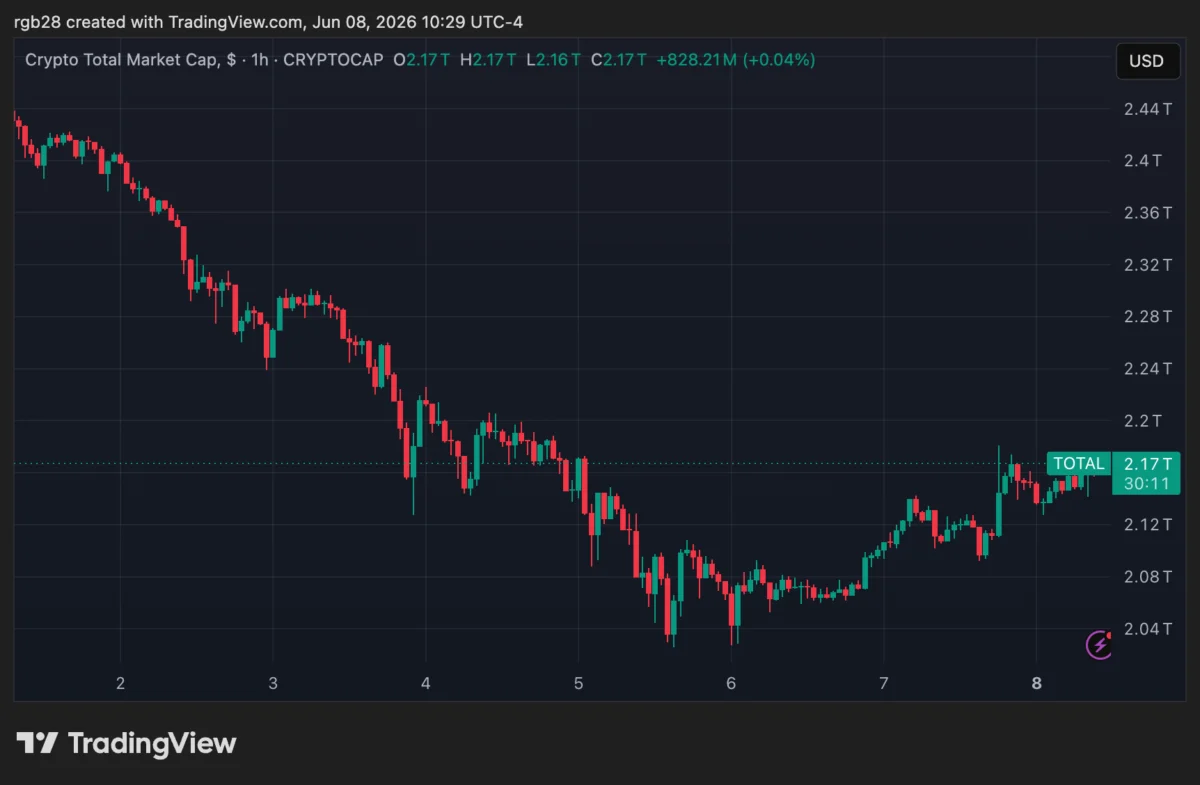
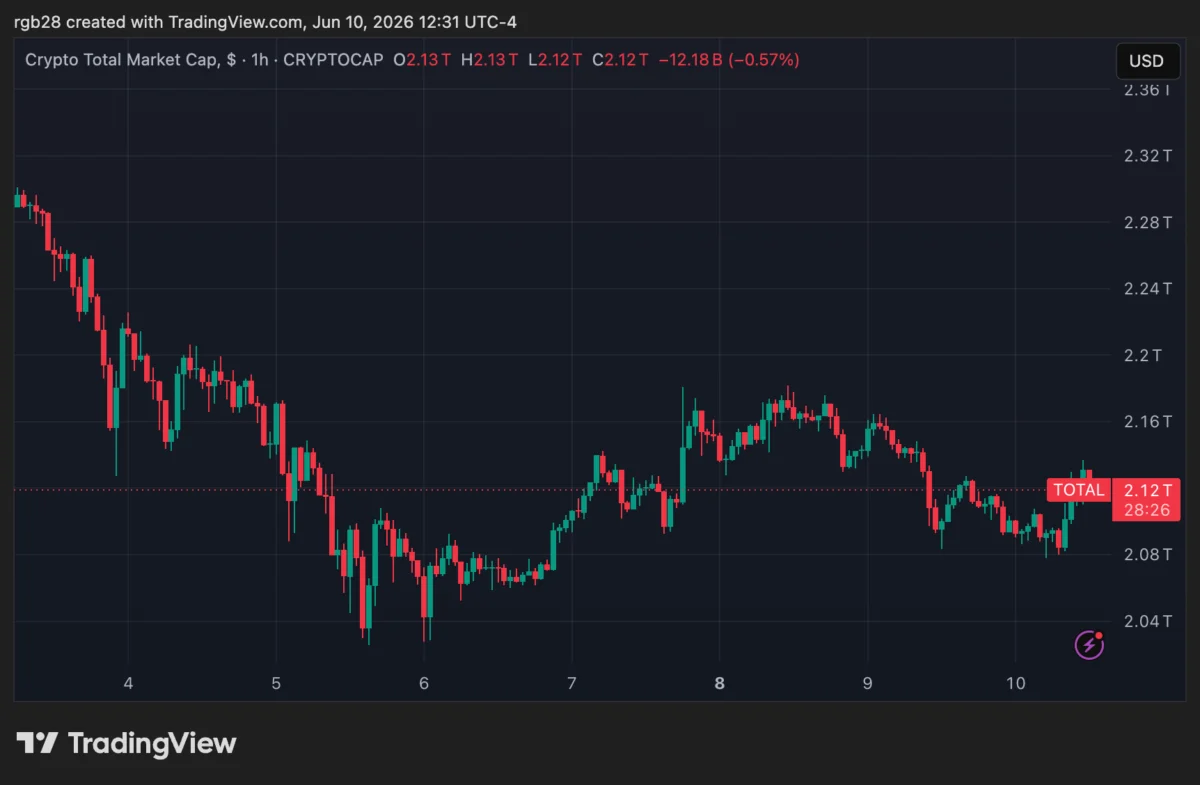
While the exploit targeted individual wallets rather than a core blockchain consensus protocol or a major decentralized exchange (DEX) smart contract, market participants and risk management desks closely evaluated subsequent liquidity signals. Large-scale theft from high-net-worth individuals often leads to sudden liquidations, erratic token dumping on automated market makers (AMMs), and temporary localized volatility in specific cryptoassets.
Traders and investors utilized on-chain analytics tools to monitor suspicious wallet movements, ensuring that stolen funds could be flagged and blacklisted by centralized exchanges and stablecoin issuers before conversion into fiat currencies.
The Strategic Pivot Toward Scalable, Transparent Operations
The incident underscores a broader industry-wide transition toward scalable, transparent, and resilient digital asset operations. Analysts emphasize that ongoing technological upgrades, rapid patching mechanisms, and user-centric security education will play a central role in sustaining user confidence and market stability over the coming quarters.
Key takeaways for market participants moving forward include:
- Mandatory OS Hygiene: Enterprise and retail users alike must automate software updates to minimize the window of vulnerability between public disclosure and device patching.
- Separation of Concerns: High-value cryptocurrency holdings should never be stored exclusively on hot wallets running on general-purpose consumer smartphones. Hardware-secured enclaves and multi-signature (multisig) architectures must be utilized for substantial portfolios.
- Enhanced Cross-Sector Collaboration: Cybersecurity firms, device manufacturers, and blockchain analytics platforms must maintain real-time information-sharing pipelines to neutralize zero-day threats before widespread financial damage occurs.
For complete details, technical specifications, and primary verification of the security update, users can access the official release via Apple’s security channels and verified corporate disclosures.