Dan Loeb’s Third Point Takes Stake in Core Scientific as Institutional Money Pivots Bitcoin Miners Toward AI Infrastructure
By the News Desk | Edited by Samuel Rae
Based on Third Point’s Q2 13F filing and public corporate disclosures.
Main Facts
Renowned activist hedge fund Third Point, spearheaded by billionaire investor Dan Loeb, has disclosed an equity position in digital asset infrastructure firm Core Scientific. Revealed in Third Point’s latest Q2 Form 13F filing submitted to the U.S. Securities and Exchange Commission (SEC), the fund reported holding 54,000 shares of the company.
While modest in absolute share count compared to Third Point’s multi-billion-dollar macro bets, the filing highlights a growing institutional trend: sophisticated Wall Street capital is systematically exploring how legacy Bitcoin mining assets can be repurposed to feed the insatiable global demand for artificial intelligence (AI) and high-performance computing (HPC) data centers.
It is vital to draw a sharp line between this investment and a direct digital asset purchase. Dan Loeb is not buying spot Bitcoin. Instead, Third Point has acquired public equity in a foundational firm that built its corporate identity around crypto-asset mining infrastructure, but which has increasingly pivoted toward providing physical real estate, power, and high-density hosting for the AI revolution.
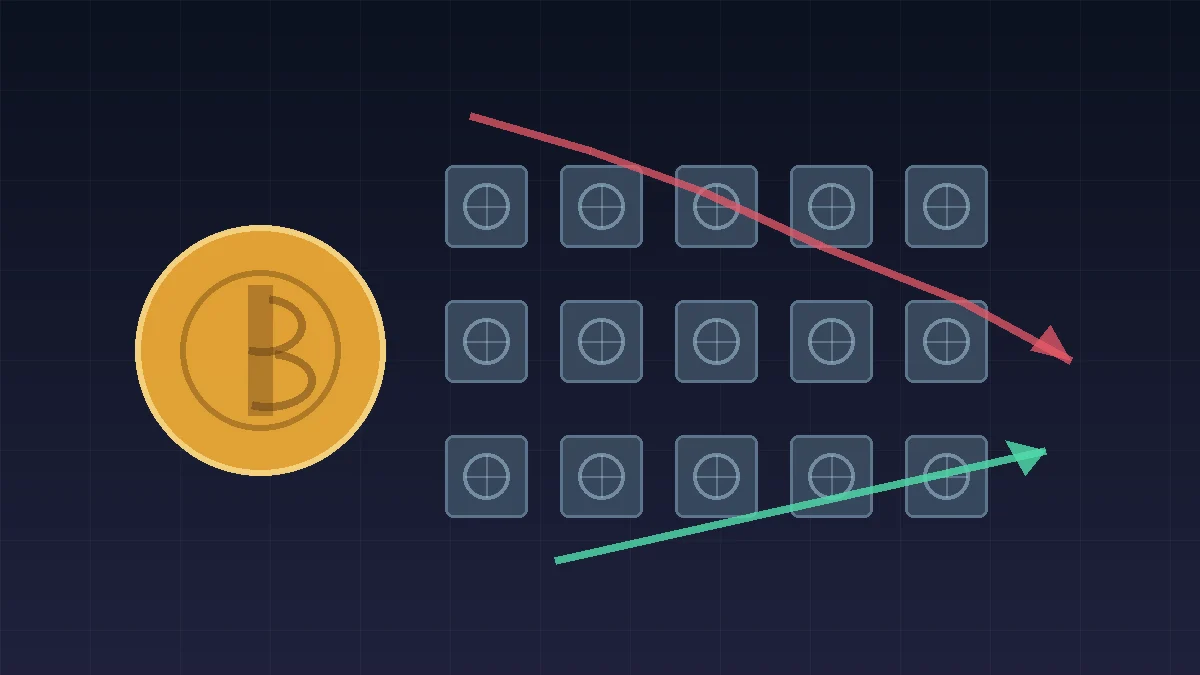
This corporate evolution represents a paradigm shift. For years, Wall Street treated publicly traded mining companies as simple, highly leveraged proxies for the price of Bitcoin. Today, institutional investors are evaluating whether these entities can successfully transition into essential energy and data-center infrastructure providers for the next major compute cycle.
Chronology of the Pivot: From Crypto Winter to AI Gold Rush
To understand the weight of Third Point’s filing, one must examine the operational timeline of the Bitcoin mining sector over the last half-decade.
1. The 2020–2021 Bull Run and Overexpansion
During the pandemic-era digital asset bull market, Bitcoin miners enjoyed unprecedented profitability. Flush with capital from equity markets and debt financing, firms like Core Scientific aggressively scaled operations. They ordered hundreds of thousands of specialized Application-Specific Integrated Circuit (ASIC) mining rigs, secured massive power purchase agreements (PPAs) with regional utility grids, and built sprawling industrial warehouses designed explicitly for the heavy electrical loads and cooling requirements of crypto mining.
2. The Crypto Winter of 2022 and Restructuring
The collapse of major industry players—compounded by soaring global energy costs, rising interest rates, and the punishing 2022 bear market—pushed several top-tier miners to the brink. Core Scientific itself was forced to navigate Chapter 11 bankruptcy restructuring. During this period of introspection, executive teams across the sector realized that relying exclusively on volatile block rewards and transaction fees left them structurally vulnerable to the crypto cycle.
3. The 2023–2024 AI Infrastructure Boom
Simultaneously, the explosive public rollout of generative AI models ignited an unprecedented global scramble for data-center capacity. Big tech firms, hyperscalers, and AI startups faced severe bottlenecks in obtaining three critical resources: secure land, high-voltage electrical power, and advanced liquid or air-cooling infrastructure.
Bitcoin miners, ironically, possessed all three in abundance. They had already spent years negotiating grid connections capable of drawing hundreds of megawatts of continuous power. Recognizing this strategic overlap, miners began pivoting their business models. Core Scientific emerged as a bellwether for this transition, striking landmark multi-billion-dollar hosting agreements with AI hyperscalers like CoreWeave, thereby diversifying its revenue streams away from pure-play Bitcoin production.
Supporting Data and Financial Mechanics
Third Point’s disclosure sits within a broader mosaic of institutional capital realigning around compute infrastructure. To contextualize the scale and mechanics of this trade, several financial and operational pillars must be analyzed.
The 13F Disclosure Breakdown
- Filer: Third Point LLC (Dan Loeb)
- Target Asset: Core Scientific, Inc. (Public Equity)
- Reported Stake: 54,000 shares (as per Q2 13F filing)
- Significance: While a 54,000-share position does not make Third Point a controlling activist shareholder in this specific name, the inclusion of a crypto-adjacent infrastructure stock in a premier multi-strategy hedge fund’s portfolio signals validation of the thesis. Historically, 13F filings from tier-1 managers serve as a qualitative barometer for where smart money anticipates structural tailwinds.
Why Miners Are Uniquely Positioned for HPC/AI
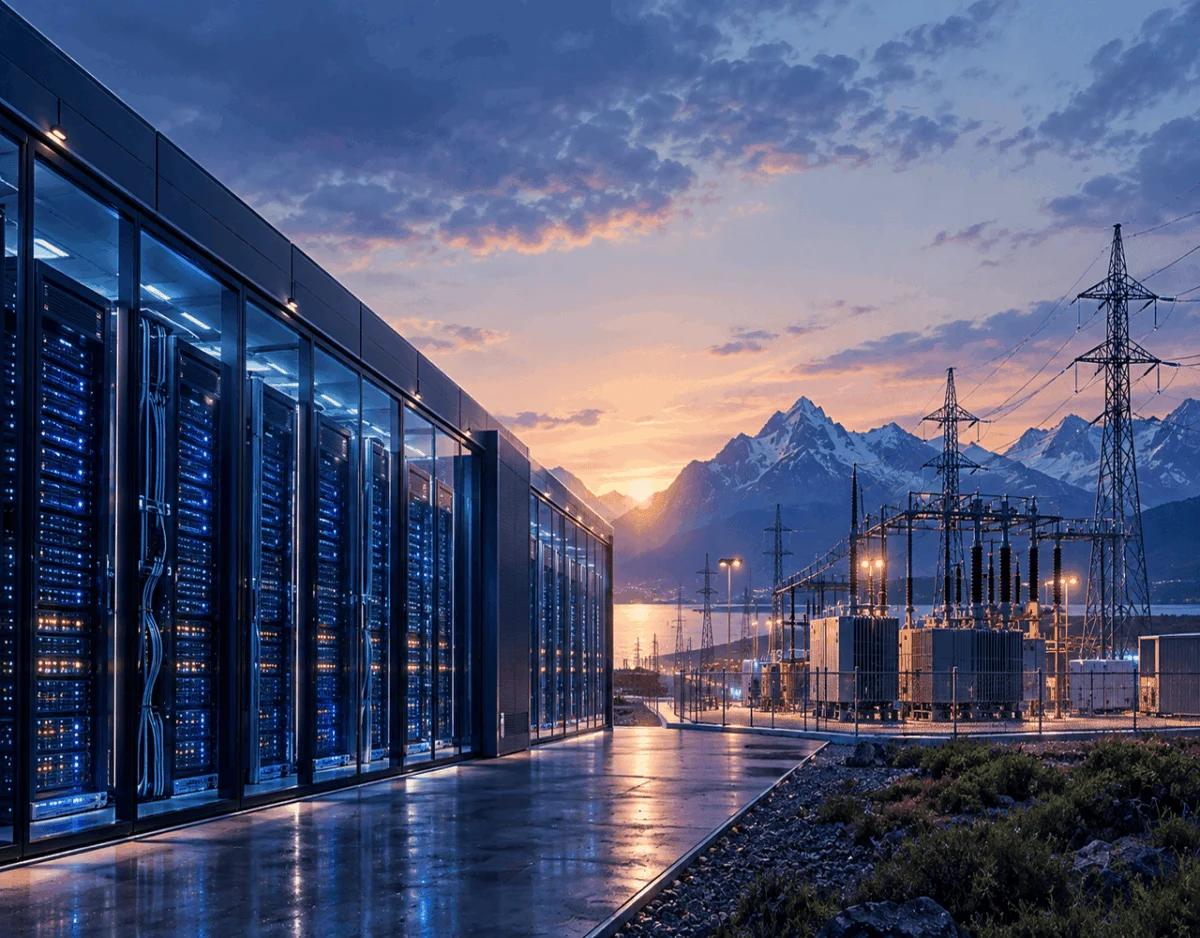
Traditional data-center operators often face years-long delays in securing permits, land, and utility interconnect agreements for new power substations. Conversely, industrial Bitcoin miners are routinely located in remote or semi-urban areas precisely because they were able to secure massive blocks of cheap electrical power directly from regional grids or stranded energy sources.
- Power Capacity: Many mining facilities command anywhere from 50 megawatts (MW) to over 1 gigawatt (GW) of continuous electrical capacity.
- Capital Expenditure (CapEx) Redirection: Instead of buying new ASIC rigs ahead of a Bitcoin halving event, capital can be re-allocated toward retrofitting existing warehouses with high-density server racks, enterprise-grade networking gear, and advanced cooling systems capable of supporting NVIDIA H100/B200 clusters.
- Contractual Stability: Bitcoin mining revenue fluctuates block-by-block based on network hash rate and coin prices. In contrast, AI hosting contracts typically feature multi-year, fixed-fee structures with tier-1 technology partners, offering predictable cash flows that traditional equity analysts prefer.
Official Perspectives and Institutional Viewpoints
Industry observers, market analysts, and macroeconomic strategists have increasingly weighed in on the structural re-rating of digital asset infrastructure companies.
The Institutional Appetite for Regulated Proxies
For many institutional funds, pensions, and endowments, direct custody of digital assets remains hindered by strict regulatory mandates, compliance hurdles, and internal risk frameworks. Public equities bypass these hurdles entirely. By investing in companies like Core Scientific, institutional capital gains indirect exposure to the technological and energy backbone of the digital asset ecosystem without ever holding a private key or interacting with a blockchain wallet.
The Convergence of Energy and Computation
Industry executives frequently emphasize that the future of compute is inextricably linked to energy logistics. In recent conference calls, management teams across the mining sector have argued that power is the new "oil" of the digital economy.
As one market strategist noted:
"The market spent years looking at miners through a very narrow lens—how many coins did they mint this month? Today, the conversation has entirely shifted. Wall Street is asking: Who owns the power? Who owns the substation? Who has the real estate ready to deploy megawatts of compute tomorrow rather than five years from now? That is why institutional players like Third Point are taking a closer look."
Market Implications and Forward Outlook
The decision by Dan Loeb’s Third Point to take a position in Core Scientific carries several profound implications for public equities, cryptocurrency markets, and the broader technology sector.
1. Decoupling from Bitcoin Price Volatility
If miners successfully execute their pivots toward long-term AI and HPC hosting contracts, their equity valuations are expected to undergo a fundamental transformation. Rather than trading in lockstep with every swing in the spot price of Bitcoin, successful infrastructure providers may increasingly trade in alignment with data-center REITs (Real Estate Investment Trusts), utilities, and enterprise cloud infrastructure providers. This decoupling could attract a entirely new class of risk-averse, long-term institutional investors.
2. High Execution Risk and Technical Hurdles
Despite the bullish narrative, investors must maintain a clear-eyed view of the risks. Transitioning a facility designed for crypto mining into an enterprise-grade AI data center is neither trivial nor cheap.
- Hardware Requirements: AI workloads demand extreme reliability, ultra-low latency, and complex networking architectures that differ significantly from the relatively uniform demands of ASIC mining rigs.
- Customer Concentration: Relying on a handful of fast-growing AI cloud providers introduces counterparty and credit risks.
- Capital Intensity: Retrofitting facilities requires massive upfront capital expenditure, forcing companies to carefully balance debt, equity dilution, and cash flow generation.
Not every legacy Bitcoin miner will successfully make the leap. Market differentiation will depend entirely on management execution, existing power contract terms, and balance-sheet health.
3. A New Paradigm for Crypto-Adjacent Equities
Ultimately, Third Point’s Q2 disclosure underscores a mature phase in the maturation of the digital asset landscape. The old narrative—where the entire sector was bifurcated into pure-play crypto believers and hostile traditional finance skeptics—is steadily dissolving.
As energy grids become the primary bottleneck for the global artificial intelligence race, the physical infrastructure built by the crypto industry has found an unexpected, highly lucrative second life. Whether Dan Loeb’s position expands into a larger activist thesis or remains a tactical equity allocation, it serves as a powerful market signal: the architecture of Bitcoin mining is quietly becoming foundational to the broader technological infrastructure of the 21st century.