Institutional Crypto Exodus: $414 Million Liquidation Signals Market Unease Amid Geopolitical Tension
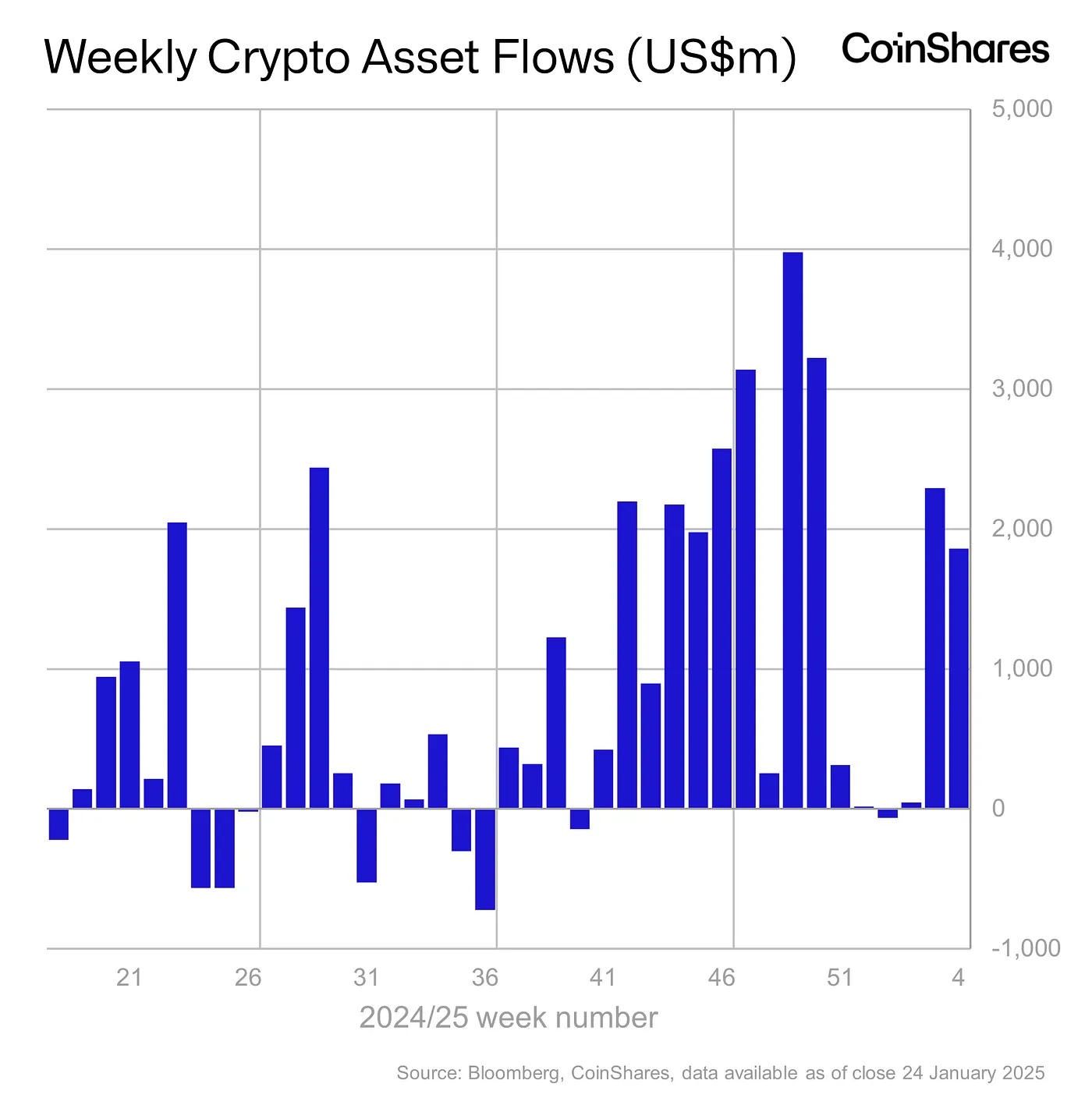
The digital asset landscape experienced a significant shift this week as institutional investors pivoted toward risk-off strategies, pulling a net total of $414 million from cryptocurrency investment products. According to the latest weekly report from digital asset management firm CoinShares, this represents the first major selloff in five weeks, effectively snapping a month-long streak of sustained optimism.
As global markets grapple with the compounding pressures of sticky inflation data and escalating geopolitical instability in the Middle East, the “crypto-as-a-hedge” narrative has faced its most rigorous stress test of the year. While the broader market remains resilient, the institutional retreat highlights a growing sensitivity to macroeconomic volatility.
Main Facts: The Anatomy of the Selloff
The $414 million outflow serves as a barometer for current institutional sentiment. While the figure is substantial, it must be viewed within the context of the year-to-date inflows that have characterized the first quarter of 2024. The primary drivers behind this week’s capital flight appear to be multifaceted, involving a mixture of profit-taking and defensive asset reallocation.
Geographic Divergence
The selling pressure was not distributed evenly across global markets. The United States acted as the primary engine of the exodus, accounting for a staggering $445 million in outflows. This trend suggests that US-based institutional investors are particularly reactive to domestic economic indicators, such as the Federal Reserve’s hawkish stance on interest rates.
Conversely, Switzerland saw a negligible outflow of $4 million, reflecting a more stable, albeit cautious, sentiment. In a surprising display of "buying the dip," Germany and Canada stood apart from the global trend. German investors added $21.2 million to their portfolios, while Canadian investors contributed $15.9 million, indicating that pockets of the international market remain convinced of the long-term viability of digital assets despite short-term price corrections.
Chronology: A Week of Changing Sentiment
To understand why this selloff occurred, one must look at the timeline of events that defined the past seven days.
- Monday & Tuesday: The week opened with cautious trading. Investors were already on edge due to updated inflation data, which dampened hopes for an immediate pivot in monetary policy.
- Wednesday: As news regarding the intensifying Iran-Israel conflict circulated, traditional equity markets experienced a sharp spike in volatility. This triggered automated sell-orders and risk-mitigation protocols within large institutional funds.
- Thursday: The selloff intensified as major funds moved to liquidate large-cap holdings. Ethereum, in particular, saw a massive exodus of liquidity on this day, as institutional portfolios moved to trim exposure to "higher beta" assets.
- Friday: While the selling slowed, the damage was reflected in the total assets under management (AUM), which settled at $129 billion—down from previous highs.
This chronology suggests that the selloff was not merely a reaction to Bitcoin’s price movement, but a strategic move by institutional players to preserve capital in the face of a deteriorating geopolitical environment.
Supporting Data: Asset-Specific Performance
The report provides a granular look at which assets bore the brunt of the liquidation and which remained in favor.
The Ethereum Dilemma
Ethereum was the hardest hit among all digital assets, recording $222 million in outflows. This massive withdrawal has dragged its year-to-date flows into a net negative territory of $273 million. Market analysts suggest this is due to concerns regarding the regulatory landscape for Ethereum ETFs and the ongoing uncertainty surrounding the network’s transitionary phases.
Bitcoin: The Sturdy Giant
Bitcoin experienced $194 million in outflows, a notable reversal given its dominant performance throughout the year. Despite this week’s losses, Bitcoin remains the strongest asset in the institutional space, holding onto an impressive $964 million in year-to-date inflows. Interestingly, the market saw a counter-intuitive movement: Short-Bitcoin products—vehicles designed to profit from a drop in price—gained $4 million in inflows. This confirms that a segment of the institutional market is actively hedging against further downward pressure.
The Altcoin Landscape
The altcoin market showed mixed results. Solana, which had enjoyed a period of high institutional interest, saw $12.3 million in outflows. However, XRP emerged as a rare bright spot, attracting $15.8 million in new capital. This inflow into XRP may reflect institutional speculation surrounding potential developments in its ongoing regulatory battles and its utility in cross-border payments.
Official Responses and Market Analysis
While firms like CoinShares provide the raw data, the interpretation of this shift has sparked a lively debate among financial experts.
"The correlation between crypto and traditional risk assets has tightened once again," says one senior market analyst. "When the VIX (volatility index) rises due to regional conflicts, institutional investors—who are often governed by strict risk-management mandates—are forced to reduce their exposure to volatile assets, regardless of their belief in the underlying technology."
Conversely, proponents of the "buying the dip" strategy argue that the current exodus is merely a temporary cleansing of the market. The inflows observed in Canada and Germany are being cited as proof that the institutionalization of Bitcoin is a global, multi-year process that will not be derailed by a single week of geopolitical anxiety.
Implications: What Does This Mean for the Future?
The recent outflows present several critical implications for the future of the crypto market.
1. The Sensitivity of Institutional Capital
Institutional capital is inherently different from retail capital. It is less "sticky" and more prone to rapid rotation based on macroeconomic data. The $414 million outflow serves as a reminder that institutional adoption brings both increased liquidity and increased volatility. Investors should prepare for more frequent, sharper swings as these large-scale entities react to global headlines.
2. Geopolitics as a Primary Driver
For years, the crypto industry touted Bitcoin as a "digital gold" or a hedge against instability. However, the market’s reaction to the Iran conflict suggests that, in the immediate term, investors view crypto as a growth asset rather than a safe haven. Until digital assets demonstrate a de-correlation from traditional tech stocks during times of crisis, they will likely remain susceptible to geopolitical shocks.
3. The Need for Diversification
The divergence in asset performance—specifically the strength of XRP against the weakness of Ethereum and Bitcoin—highlights the growing sophistication of institutional portfolios. Investors are no longer treating "crypto" as a monolithic asset class; they are beginning to pick and choose based on the specific utility and regulatory profile of individual projects.
4. Regulatory and Macroeconomic Outlook
The heavy outflows from the US suggest that the upcoming interest rate decisions by the Federal Reserve remain the single most significant factor for market direction. If inflation continues to prove sticky, the cost of capital will remain high, potentially discouraging institutional funds from re-entering the crypto space in the short term.
Conclusion: A Turning Point or a Temporary Setback?
The $414 million liquidation is a significant event, but in the context of the $129 billion total AUM, it represents a controlled reduction rather than a systemic collapse. The crypto market is currently undergoing a "stress test" of its maturity.
For institutional investors, the path forward is clear: the focus remains on risk management. For the retail observer, the lesson is equally poignant—the market is no longer driven by sentiment alone, but by a complex interplay of global politics, central bank policy, and institutional strategy.
As the dust settles, the industry will be watching closely to see if the outflows continue into next week or if the buying activity seen in Germany and Canada signals the start of a broader, more resilient recovery. For now, caution remains the order of the day.
Disclaimer: Opinions expressed at The Daily Hodl are not investment advice. Investors should do their due diligence before making any high-risk investments in Bitcoin, cryptocurrency, or digital assets. Please be advised that your transfers and trades are at your own risk, and any losses you may incur are your responsibility. The Daily Hodl does not recommend the buying or selling of any assets, including cryptocurrencies, nor is The Daily Hodl an investment advisor. Please note that The Daily Hodl participates in affiliate marketing.