Tether Downplays Exposure as U.S. Authorities Target EQIBank Payment Processor in Major Asset Seizure
By the News Desk | Edited by Samuel Rae
Published by Bitcoinist
Executive Summary & Main Facts
Stablecoin giant Tether has moved swiftly to contain market anxiety and address growing concerns surrounding one of its banking counterparties. The intervention follows aggressive legal maneuvers by United States federal authorities, who have seized substantial assets linked directly to the payment infrastructure of EQIBank, a digital-first financial institution utilized by Tether for operational workflows.
According to official statements released by Tether, the company’s direct financial exposure to EQIBank accounts for an infinitesimal fraction of its overarching balance sheet—specifically, less than 0.034% of Tether’s total group assets. Based on the stablecoin issuer’s most recently reported asset base of approximately $187.75 billion, this percentage establishes a theoretical financial ceiling of roughly $64 million. However, Tether’s executive leadership has deliberately withheld the exact fiat figure, choosing instead to emphasize the immaterial nature of the exposure relative to its massive reserves.
Despite Tether’s measured reassurances, the regulatory enforcement action underscores the delicate and often precarious relationship between decentralized cryptocurrency assets and traditional legacy financial architecture. The primary target of the U.S. forfeiture action is not EQIBank itself, but rather Capstone Limited, a specialized payment processor heavily relied upon by the bank to route and manage customer funds across domestic and international U.S. banking channels.
Court documents unsealed in connection with the federal crackdown reveal that prosecutors are seeking the permanent forfeiture of roughly $83 million held across multiple targeted bank accounts, alongside approximately 1.18 million USDT seized directly from associated cryptocurrency addresses. Meanwhile, EQIBank has sounded its own internal alarms, publicly acknowledging that the seized capital totals roughly $89 million. The bank has warned stakeholders that losing access to these critical funds indefinitely could severely impair its ongoing operations and threaten its immediate solvency.
For Tether, the incident serves as a high-profile stress test of its risk management policies and communications strategy. While the issuer maintains that it had zero prior knowledge of the alleged illicit activities or regulatory infractions leveled against Capstone by U.S. prosecutors—and emphasizes that no regulatory body has accused Tether of wrongdoing—the event has reignited industry-wide debates regarding the structural vulnerabilities inherent in stablecoin reserve management.
Chronology of the Enforcement Action and Regulatory Crackdown
To fully understand how a localized legal dispute involving a third-party payment processor escalated into a headline-grabbing event for the world’s largest stablecoin issuer, it is necessary to examine the chronological progression of the U.S. government’s investigation into Capstone Limited and EQIBank.
The Foundation of the Banking Relationship
For several years, EQIBank positioned itself as a progressive financial institution catering to high-net-worth individuals, corporations, and digital asset firms, providing specialized banking gateways designed to bridge the gap between fiat currency and cryptocurrencies like Tether’s USDT. Because stablecoin issuers require robust banking rails to facilitate the large-scale creation (minting) and destruction (burning) of tokens, Tether—like many crypto enterprises—utilized various international banking partners and intermediaries to handle traditional wire transfers and cash equivalents.
To streamline these cross-border and domestic payment flows, EQIBank integrated third-party payment processors into its operational architecture. Among these was Capstone Limited, a company tasked with managing the technical and logistical movement of customer funds through traditional U.S. banking channels. At the time, these arrangements appeared compliant with standard international financial regulations, allowing liquidity to move seamlessly between traditional fiat accounts and blockchain-based tokens.
The U.S. Investigation and Asset Freeze
Behind the scenes, federal law enforcement agencies in the United States had been scrutinizing the transaction flows and beneficial ownership structures associated with Capstone Limited. Prosecutors alleged that the payment processor’s infrastructure was being utilized to obscure the true origins of funds or to route capital in ways that violated U.S. banking regulations, anti-money laundering (AML) protocols, and sanctions frameworks.
As the investigation matured, federal authorities moved to intercept funds before they could be transferred or liquidated. U.S. courts authorized sweeping asset seizures targeting bank accounts tied directly to Capstone’s operations. According to subsequent legal filings, the government moved to forfeit roughly $83 million sitting in traditional commercial banking institutions, alongside digital assets totaling approximately 1.18 million USDT isolated across specific cryptocurrency addresses.
EQIBank’s Internal Crisis and Public Warnings
The sudden freezing and subsequent seizure of Capstone’s accounts sent immediate shockwaves through EQIBank. Because a significant portion of the bank’s operational liquidity and customer processing capability was tied up in the accounts managed by Capstone, the enforcement action created an immediate liquidity bottleneck.
EQIBank officials scrambled to assess the damage, ultimately calculating that roughly $89 million of accessible funds had been compromised or locked down by the federal intervention. In communications addressing the developing crisis, EQIBank management did not mince words, warning clients and market observers alike that the sudden loss of access to these funds posed a severe threat to the institution’s ongoing business continuity. The bank found itself fighting on two fronts: attempting to mount a legal defense against the U.S. forfeiture actions while simultaneously managing panicked inquiries from corporate clients, depositors, and partner institutions.
Tether’s Containment and Damage Control Strategy
As news of the EQIBank crisis leaked into financial media circles, market analysts and crypto commentators immediately began speculating about the potential fallout for Tether, given the known commercial ties between the stablecoin issuer and the troubled bank.
Recognizing the potential for contagion and FUD (Fear, Uncertainty, and Doubt) in the digital asset markets, Tether’s communications team moved proactively. Rather than waiting for rumors to destabilize market confidence in USDT’s peg, the company released a formal transparency statement addressing the situation head-on. By quantifying its maximum theoretical exposure at less than 0.034% of its nearly $188 billion portfolio, Tether successfully framed the incident as a minor, isolated operational issue rather than a systemic threat to its financial stability.
Supporting Data and Financial Analysis
A rigorous examination of Tether’s financial positioning reveals why the company was able to absorb the EQIBank news with relative equanimity, while simultaneously highlighting the massive scale of the modern stablecoin economy.
Dissecting Tether’s Balance Sheet
Tether’s financial dominance in the cryptocurrency ecosystem is anchored by its immense reserve backing. According to the company’s most recent attestation reports and public disclosures, Tether’s total group assets hover around $187.75 billion. This asset base has grown exponentially over recent years, driven largely by global demand for dollar-pegged liquidity in emerging markets, decentralized finance (DeFi) protocols, and international trade settlement.
To contextualize the EQIBank exposure:
- Total Group Assets: ~$187,750,000,000
- Maximum Exposure Percentage: < 0.034%
- Implied Financial Ceiling: < ~$63,835,000
While a potential loss of up to $64 million is undeniably a substantial sum of money in any normal corporate context, it represents a microscopic rounding error on Tether’s gargantuan balance sheet. To put this into perspective, Tether’s quarterly net profits—largely generated by the yield earned on its massive holdings of U.S. Treasury bills—frequently run into the billions of dollars. Consequently, even a total writedown of every dollar Tether might have tied up in EQIBank would fail to make a meaningful dent in the issuer’s capital reserves or threaten the one-to-one backing of circulating USDT tokens.
The Composition of Modern Stablecoin Reserves
Over the past several years, Tether has systematically altered the composition of its reserve portfolio in response to historical criticisms regarding the quality and liquidity of its backing assets.

- U.S. Treasury Bills: The vast majority of Tether’s reserves are now concentrated in short-dated U.S. Treasury securities, which are widely regarded as the safest and most liquid risk-free assets in global finance.
- Cash and Cash Equivalents: A significant portion is held in cash, overnight reverse repurchase agreements, and money market funds managed by tier-one traditional financial institutions.
- Alternative Investments: Smaller allocations are directed toward precious metals (gold), bitcoin, secured loans, and venture investments.
Despite this heavy pivot toward ultra-safe government debt, stablecoin issuers cannot operate in a purely digital vacuum. To facilitate the entry and exit of capital—allowing institutional market makers, crypto exchanges, and arbitrageurs to mint and redeem USDT—issuers must maintain active relationships with commercial banks, payment processors, broker-dealers, and custodians.
It is precisely this necessary interface with traditional banking infrastructure that exposes crypto firms to counterparty risk, regardless of how pristine their underlying reserve assets might be.
Official Responses and Stakeholder Reactions
The unfolding situation involving EQIBank, Capstone Limited, and Tether has elicited distinct responses from each of the primary stakeholders involved, reflecting their respective legal positions and operational priorities.
Tether’s Official Stance: Compartmentalization and Compliance
Tether’s public relations and legal strategy centered on three core messages:
- Immateriality: Emphasizing that the financial exposure is statistically negligible (under 0.034% of total assets).
- Lack of Knowledge: Categorically denying any prior awareness of or involvement in the alleged unlawful conduct committed by Capstone Limited.
- Absence of Culpability: Highlighting that no regulatory or law enforcement agency has accused Tether of wrongdoing or participation in the illicit payment routing schemes under investigation.
In its official statements, Tether reiterated its commitment to cooperating with global law enforcement agencies to maintain the integrity of the digital asset ecosystem. The company has spent considerable resources over the last several years bolstering its compliance frameworks, implementing advanced blockchain analytics tools (such as Chainalysis and Elliptic), and freezing suspicious wallets linked to illicit activities upon law enforcement request. By distancing itself from Capstone while acknowledging EQIBank’s historical role as a service provider, Tether successfully framed itself as an innocent bystander caught in the crosshairs of a broader federal crackdown on third-party payment processors.
EQIBank’s Defense and Operational Crisis
EQIBank found itself in a far more defensive and precarious posture. While the bank has historically marketed itself as a fully compliant, licensed digital bank operating under strict regulatory oversight, the seizure of nearly $89 million through its payment processor partner represents a severe operational blow.
In statements addressing the crisis, EQIBank management emphasized that the legal proceedings directly target Capstone Limited rather than the bank’s core proprietary banking licenses or its broader international clientele. Nevertheless, the bank acknowledged the immense pressure the asset freeze places on its daily operations. Industry analysts note that EQIBank faces a steep uphill battle in convincing depositors that their remaining funds are safe, especially as U.S. prosecutors continue to scrutinize the complex web of shell companies and payment aggregators used to move money across international borders.
Market Reaction: A Muted Response
In past eras of the cryptocurrency market, news that a major stablecoin issuer was linked to a bank facing federal asset seizures would have triggered widespread panic, massive USDT depegging events, and frantic liquidations across decentralized finance protocols.
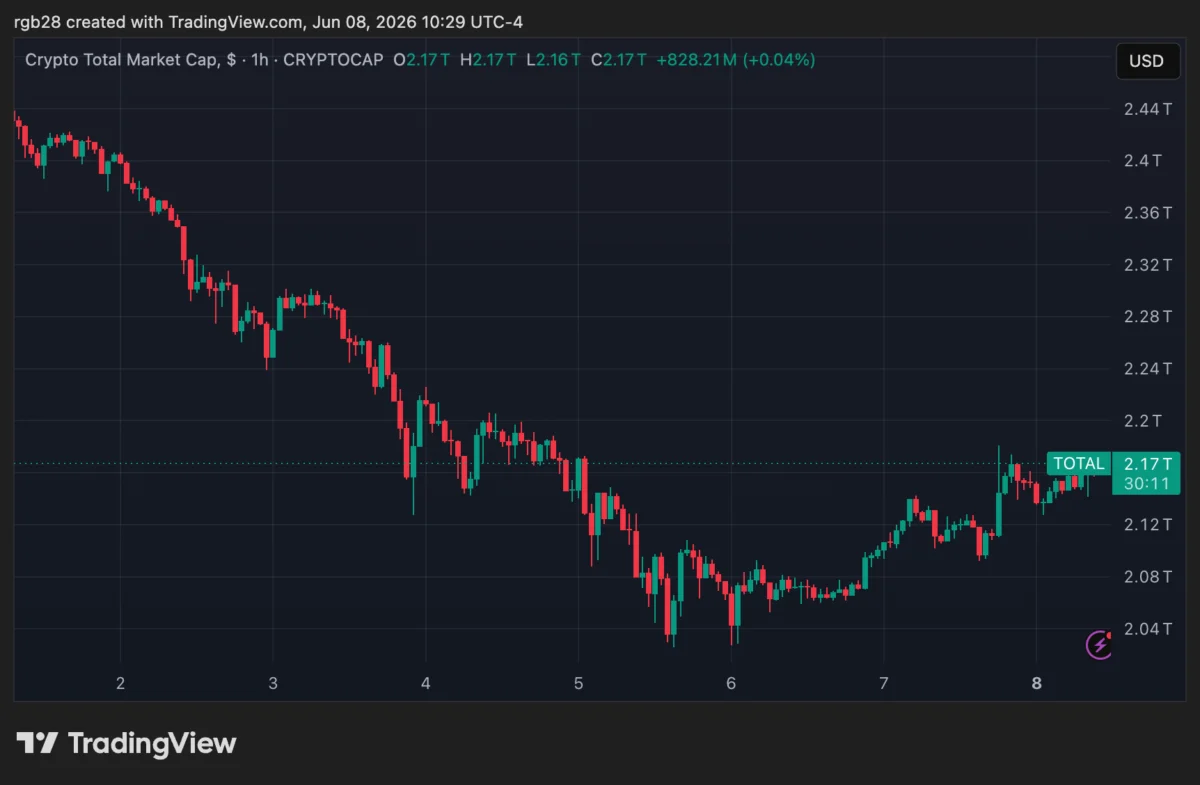
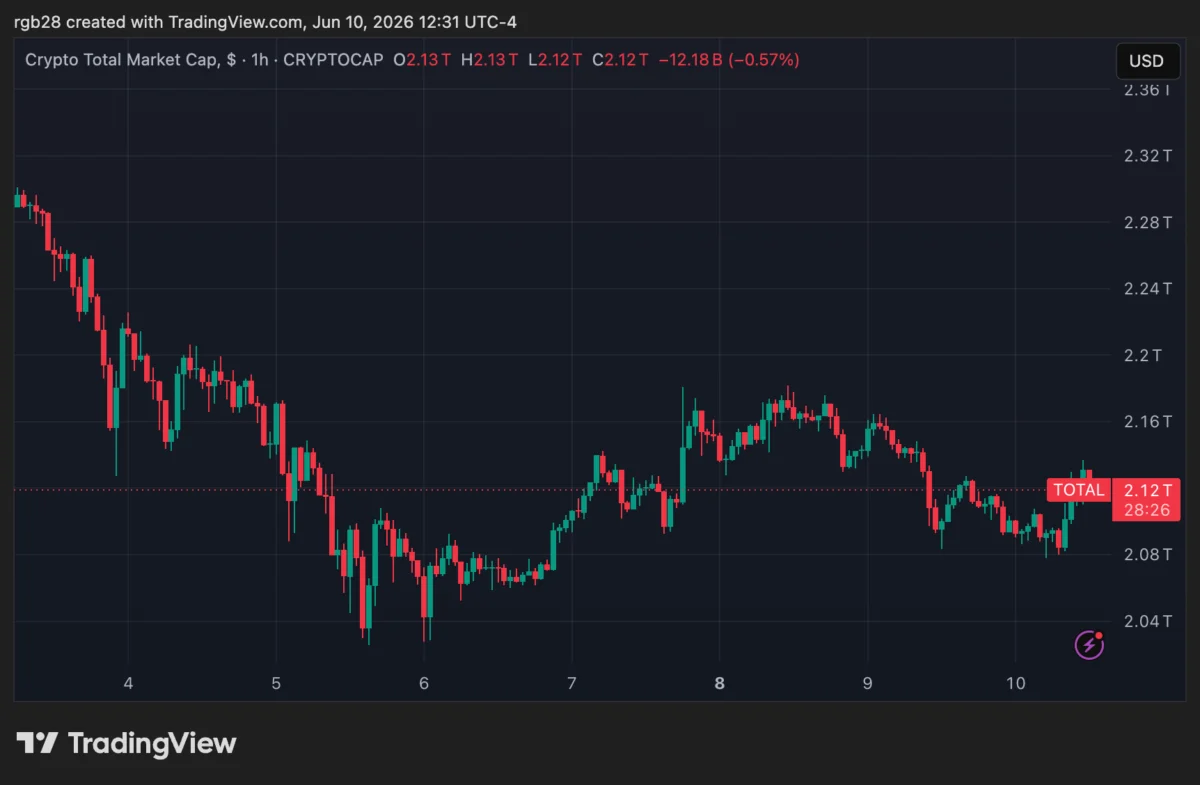
However, the market reaction to the EQIBank disclosure was remarkably subdued. USDT maintained its strict $1.00 peg with negligible deviation, and trading volumes across major exchanges remained stable. Market participants largely accepted Tether’s mathematical proof of its minimal exposure, while sophisticated traders recognized that modern stablecoin issuers are far more resilient and diversified than they were during previous regulatory flashpoints.
Broader Implications for the Stablecoin Industry
While Tether has successfully contained the immediate fallout from the EQIBank asset seizure, the episode serves as a vital case study regarding the structural vulnerabilities and systemic risks facing the entire stablecoin and digital asset industry.
The Illusion of Complete Decoupling from Legacy Finance
A foundational narrative within the cryptocurrency movement has always been the promise of financial sovereignty—the idea that blockchain-based assets can operate entirely independently of traditional banks, legacy payment rails, and state-controlled intermediaries.
The EQIBank incident shatters this illusion in a very public fashion. While it is true that a user can transfer millions of dollars worth of USDT across public blockchains like Ethereum, Tron, or Solana in a matter of seconds with absolute finality, the physical and legal reality of the underlying reserves remains tethered to the traditional financial system.
- Dollars must be wired through SWIFT or ACH networks.
- Fiat reserves must be custodied in commercial banks.
- Liquidity providers must rely on payment processors and currency exchanges.
As long as stablecoins maintain a 1:1 backing with fiat currencies, issuers are fundamentally exposed to the operational, legal, and regulatory risks of the banking sector. If a commercial bank partner fails, if a payment processor is subjected to a federal forfeiture order, or if government authorities freeze accounts, the traditional financial pipelines choking off reserve liquidity can create massive headaches—even if the blockchain settlement layer continues to function without interruption.
The Growing Importance of Banking Partner Quality
For years, cryptocurrency startups struggled to secure reliable banking relationships, often forcing them to rely on smaller, offshore, or less rigorously regulated financial institutions that were willing to take on crypto-related business.
As the stablecoin market has matured into a multi-hundred-billion-dollar pillar of global finance, issuers like Tether have steadily upgraded their banking partnerships, migrating larger portions of their capital into major multinational financial institutions and secure government debt instruments. However, niche digital banks and specialized payment processors continue to play a role in niche liquidity management and regional fiat onboarding.
The Capstone-EQIBank debacle serves as a stark warning to all stablecoin issuers: counterparty due diligence cannot stop at the primary bank account holder. Issuers must deeply audit the entire operational chain—including downstream payment processors, intermediary custodians, and third-party fintech vendors—to ensure that hidden legal liabilities do not jeopardize institutional stability.
Regulatory Scrutiny and Compliance Pressures
The U.S. government’s aggressive targeting of payment processors linked to digital asset banking highlights the ongoing, relentless expansion of regulatory enforcement into the crypto periphery. Federal prosecutors and financial watchdogs are increasingly focusing on the plumbing of the crypto economy—the payment aggregators, over-the-counter (OTC) brokers, and offshore processors that facilitate cross-border liquidity.
For stablecoin issuers, this regulatory posture necessitates an even higher degree of transparency and proactive compliance. Regulators are no longer satisfied with issuers simply attesting to the existence of their reserves; they increasingly expect issuers to know precisely how fiat funds move, where they are stored, and who ultimately controls the intermediary accounts touching the financial system.
Conclusion: A Resilient Titan Facing Lingering Realities
Tether’s handling of the EQIBank asset seizure demonstrates a maturing corporate communications strategy and a balance sheet robust enough to shrug off multi-million-dollar shocks without blinking. By immediately quantifying its exposure at an immaterial fraction of its total assets, Tether successfully neutralized what could have otherwise evolved into a major market panic.
Nevertheless, the episode remains a sobering reminder of the tethering that binds digital innovation to analog infrastructure. Blockchain settlement may move at the speed of light, but the dollars backing the crypto economy must still navigate a complex, highly regulated, and frequently treacherous traditional financial landscape where accounts can be frozen, intermediaries can collapse, and courts can seize assets overnight. For Tether, the immediate message is clear: the financial exposure is limited. For the broader digital asset market, it is an enduring lesson that decentralization at the token layer does not eliminate traditional financial counterparty risk.