The 20 Millionth Milestone: Bitcoin Enters the Final Chapter of Its Supply Odyssey
In a historic moment for digital finance, the Bitcoin network crossed a monumental threshold this past Sunday, with miners successfully extracting the 20 millionth coin from the blockchain. This achievement, reached exactly 17 years, two months, and one week after the Genesis block was mined in January 2009, serves as a stark reminder of the protocol’s rigid, deflationary design. With only 1 million coins remaining to be issued over the next 114 years, the global financial landscape is entering a new era of digital scarcity.
The Milestone: A Mathematical Certainty
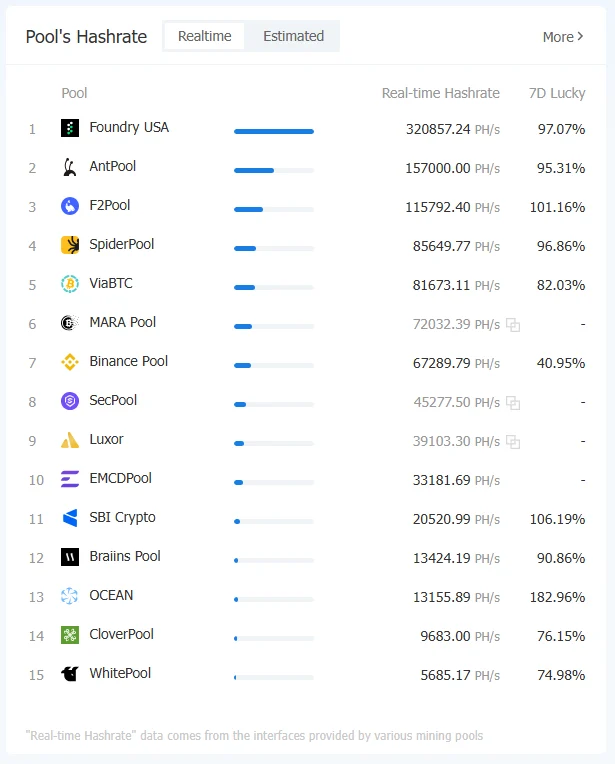
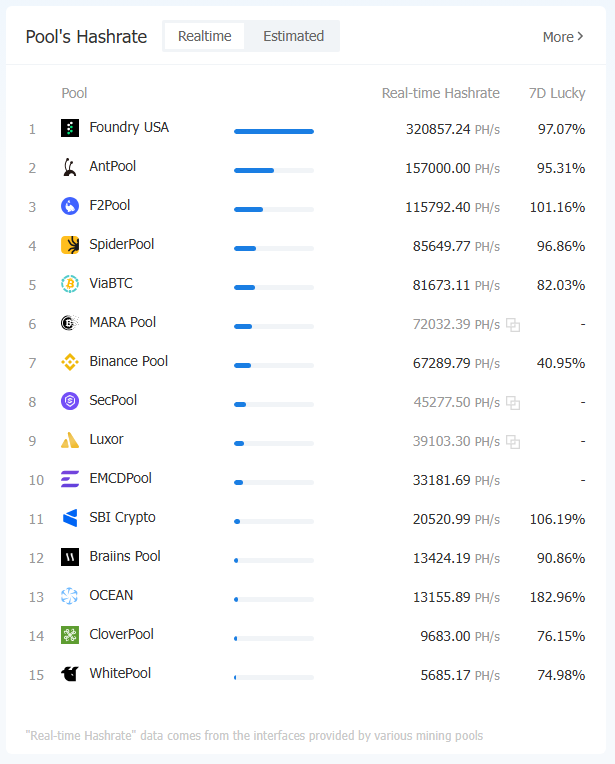
The 20 millionth coin was processed by the Foundry USA mining pool at block height 939,999. The reward for this specific block was 3.125 BTC, a figure dictated by the most recent halving event in April 2024, which slashed the daily production rate from 900 BTC to approximately 450 BTC.
This milestone confirms that 95.24% of the total Bitcoin supply—capped permanently at 21 million units—is now in existence. While the first 20 million coins were mined in less than two decades, the remaining 1 million will be released with increasing difficulty and decreasing frequency. The final full Bitcoin is projected to be mined in the 2090s, with fractional "satoshis" trailing behind until the final issuance expected around the year 2140.
A Chronology of Scarcity
Bitcoin’s journey from a niche cryptographic experiment to a trillion-dollar asset class has been defined by its predictable, algorithmic supply schedule.
- January 2009: Satoshi Nakamoto mines the Genesis block, initiating the first era of mining rewards (50 BTC per block).
- November 2012: The first halving event reduces block rewards to 25 BTC.
- July 2016: The second halving reduces rewards to 12.5 BTC.
- May 2020: The third halving reduces rewards to 6.25 BTC.
- April 2024: The fourth halving reduces rewards to 3.125 BTC, setting the stage for the 20 millionth coin milestone.
- March 2026: The network reaches the 20 millionth coin threshold.
The mathematical beauty of this system lies in its resistance to inflationary pressures. Unlike fiat currencies, which can be expanded by central banks at will, Bitcoin’s supply is hard-coded. This "digital gold" standard is now entering a phase where the "stock-to-flow" ratio—a common metric for measuring scarcity—becomes increasingly extreme.
The Reality of Lost Wealth: The "Practical" Supply
While 20 million coins exist on the ledger, the circulating supply is significantly lower. Analysts from firms like River Financial and Chainalysis have long contended that a substantial portion of the Bitcoin supply is effectively lost forever.

Estimates suggest that between 2.3 million and 3.7 million BTC are trapped in "dead" wallets. These losses stem from the early days of the asset, when Bitcoin held negligible value and security protocols were rudimentary. Countless early adopters lost access to their private keys due to hardware failure, forgotten passwords, or simply discarding old hard drives.
Furthermore, approximately 230 BTC remain permanently locked in the genesis block and other early outputs, created in a way that renders them unspendable under current network rules. When these "zombie" coins are subtracted from the 20 million total, the actual liquid supply available to global markets is far tighter than the headline figure suggests. This effectively makes Bitcoin even rarer than the raw 21-million cap implies, a factor that continues to fuel bullish sentiment among institutional investors.
The Miner’s Dilemma: Sustainability Beyond Subsidies
As the network nears its theoretical cap, the economic model for miners—the backbone of Bitcoin’s security—faces a long-term transition. Currently, miners rely heavily on the "block subsidy" (the new coins generated per block). However, as these subsidies approach zero, the network must rely entirely on transaction fees to incentivize miners to keep the network secure.
Daily issuance is projected to fall below 30 BTC by the 2040s and below 2 BTC by the 2060s. For the mining industry, this creates a "revenue cliff." Industry experts argue that for Bitcoin to remain secure, the transaction volume and the associated fees must rise to compensate for the loss of block rewards. If transaction volume does not scale, the cost of securing the network could become prohibitive, potentially centralizing mining power or forcing the network to evolve its fee structure.
Market Context and Future Outlook
The 20 millionth milestone occurred against a backdrop of market volatility. At the time of the event, Bitcoin was trading at approximately $69,282, reflecting a 21% correction year-to-date. Despite macroeconomic headwinds, including geopolitical tensions and interest rate fluctuations, the asset has demonstrated resilience, gaining roughly 3.44% in the week surrounding the event.
Market analysts view the 20 millionth coin as a psychological "halfway point" for the decade, preparing the market for the next major supply-side shock: the 2028 halving. Scheduled for April 11, 2028, this event will reduce the block reward to 1.5625 BTC, further tightening the daily supply of new coins.
Implications for Global Finance
The significance of the 20 millionth coin extends beyond mere numbers. It represents the maturation of an asset class that has successfully navigated seventeen years of regulatory scrutiny, technological evolution, and market cycles.
- Institutional Adoption: As the supply becomes increasingly finite, institutional demand is likely to face a "supply squeeze." With ETFs and corporate balance sheets increasingly holding Bitcoin, the scarcity of the remaining 1 million coins may exert significant upward pressure on valuation.
- Monetary Policy: Bitcoin’s existence acts as a persistent critique of traditional monetary policy. By hitting this milestone, the network reinforces its reputation as a predictable, censorship-resistant alternative to state-issued currency.
- Network Security: The transition from a subsidy-based security model to a fee-based model will be the defining challenge of the next century for Bitcoin. The success of Layer-2 solutions and increased transaction throughput will be critical in ensuring that the network remains robust long after the last satoshi is mined.
Conclusion: The Long Road to 2140
As we look toward the 2090s and beyond, the milestone of 20 million coins serves as a sobering reminder of the finite nature of Bitcoin. While the crypto community celebrates this achievement, the focus must now shift to the long-term sustainability of the network.
The next century of Bitcoin mining will be defined not by the rush to acquire new coins, but by the efficiency of the network, the security of its decentralized infrastructure, and the role it plays in the global economy. As the remaining 5% of the total supply is slowly trickled into existence, the world will watch to see if this digital experiment can fulfill its promise as a store of value that transcends borders, time, and central authority.
For now, the network remains functional, the miners are active, and the 21-million cap remains the most famous, and perhaps most important, constant in the world of modern finance. The countdown to 2140 has officially entered its final, most exclusive phase.