The Great Crypto Chill: Decoding the 40% Plunge in June Trading Volumes
The cryptocurrency market, known for its breakneck speed and volatile cycles, hit a significant "speed bump" in June. Following a period of unprecedented activity in the early months of 2021, the digital asset ecosystem experienced a sharp contraction in liquidity and participation. Data from industry analysts reveals that trading volumes across major global exchanges plummeted by more than 40%, signaling a broader shift in market sentiment as tokens entered a period of stagnant, sideways price action.
Main Facts: A Market in Contraction
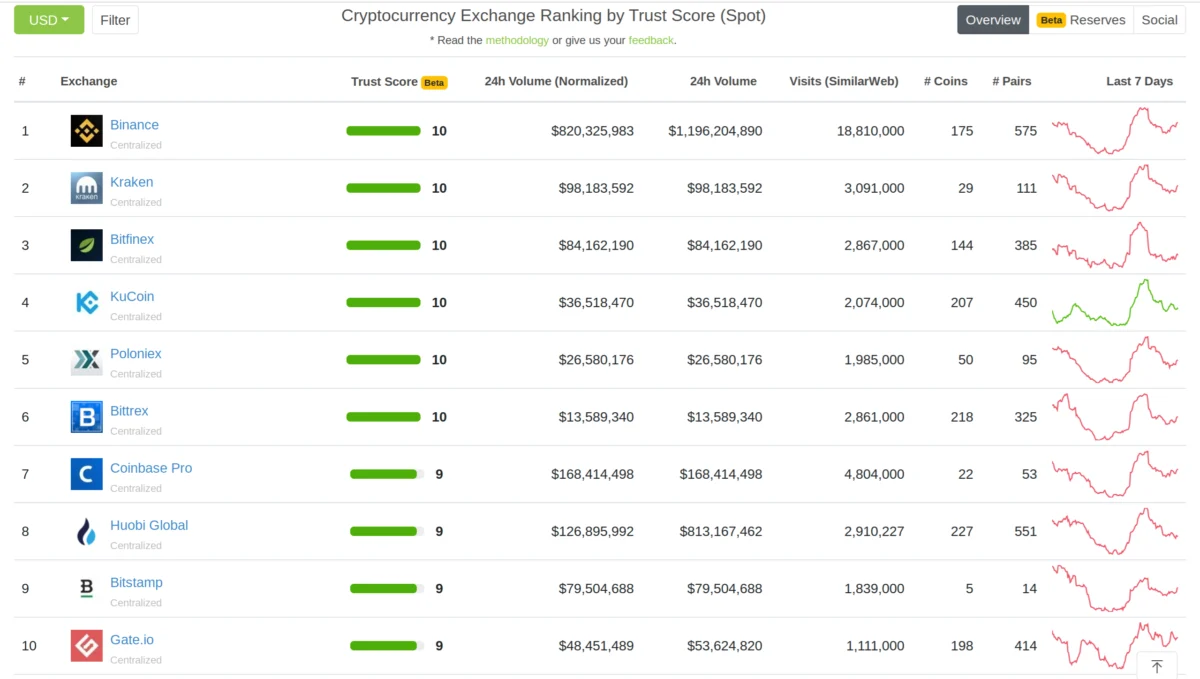
The month of June served as a sobering correction for the crypto industry. According to the latest "Exchange Review" from London-based data provider CryptoCompare, major platforms—including industry titans like Binance, Coinbase, Kraken, and Bitstamp—recorded volume drops exceeding 40%. This decline was not isolated to a single asset or exchange but was a systemic trend reflecting a widespread withdrawal of retail and institutional interest.
Key metrics highlight the severity of the shift:
- Spot Market Decline: Spot trading volumes—where assets are bought and sold for immediate delivery—contracted by 42.7%.
- Derivative Market Cooling: The derivatives sector, often a bellwether for speculative fervor, saw a 40.7% decrease in volume.
- Open Interest Erosion: Futures open interest for Bitcoin (BTC) and Ethereum (ETH) dropped by 31.8% and 29.3%, respectively, suggesting that traders were closing positions rather than opening new ones.
Despite this contraction, Binance retained its dominant market share, even as its own trading volumes fell by roughly 56% to $668 billion. The data underscores a reality where, despite a massive exodus of capital, the foundational infrastructure of the market remains robust, even if its immediate pulse has slowed.
Chronology: From Peak Euphoria to Policy Headwinds
To understand the June slump, one must look at the preceding months. The first quarter of 2021 was defined by institutional adoption and record-breaking price appreciation. However, the momentum began to fray in May, which saw the highest trading volumes in history, fueled largely by chaotic market liquidations and rapid price swings.
The Catalyst: The Great Mining Exodus
The primary catalyst for the June cooldown can be traced back to the aggressive regulatory stance adopted by Chinese authorities in May. By initiating a comprehensive crackdown on Bitcoin mining operations, China—which previously accounted for a massive portion of global hash rate—effectively forced a mass migration of miners.
As mining rigs were unplugged and moved across borders, the uncertainty surrounding network security and the forced selling of coins by miners to cover relocation costs created a "storm of bad news." This regulatory pressure acted as a primary deterrent for new investors, who found themselves sidelined by the sudden lack of market clarity.
The Tug-of-War: China vs. El Salvador
Throughout June, the market was caught in a geopolitical tug-of-war. While China’s mining ban exerted downward pressure, El Salvador made history by formally adopting Bitcoin as legal tender. This move, while historically significant, was not enough to overcome the immediate liquidity crunch caused by the regulatory tightening in Asia. Bitcoin hit a monthly low of $28,908 in June, ending the month down 6.0% and further dampening the appetite for speculative trading.
Supporting Data: Contextualizing the "Plunge"
While a 40% drop in volume sounds catastrophic, industry experts caution against viewing these numbers in a vacuum. The comparison to May—the highest volume month ever recorded—creates a skewed perception of the market’s health.
Clara Medalie, research lead at crypto market data provider Kaiko, provided a vital counter-perspective to the panic. In an interview with CNBC, she noted that while the drop was undeniably steep, it represents a "reversion to mean" rather than a total collapse.
"Volumes plunged in June on pretty much every exchange, however, overall volumes are still magnitudes greater than they were one year ago today," Medalie explained. By placing the June data against the backdrop of 2020, it becomes clear that the crypto industry has undergone a massive expansion. Even in a "down" month, the current trading activity remains in the top five highest-volume months ever recorded, signaling that while the frenzy of early 2021 has abated, the baseline for market participation has shifted significantly higher.

Official Responses and Expert Analysis
Market analysts have pointed to the intersection of "lower prices" and "lower volatility" as the primary culprits for the slump. In financial markets, traders thrive on the "gap"—the difference between the entry and exit points. When prices move sideways, as they did throughout most of June, the incentive to trade diminishes.
Furthermore, the "shakeout" of new investors who entered during the peak of the bull market meant that the pool of active, short-term speculators thinned out significantly. Analysts at CryptoCompare noted that the combination of the mining crackdown and the subsequent price stagnation led to a "wait and see" approach. Institutional players, who had previously been the engine of growth, shifted into a defensive posture, awaiting further clarity from global regulators before committing more capital.
Implications: What Does This Mean for the Future?
The June contraction offers several critical takeaways for the future of the cryptocurrency market:
1. The Maturity of the Market
The fact that the market absorbed a massive regulatory blow from China without collapsing entirely suggests a growing resilience. In previous cycles, a comparable event might have led to a complete market breakdown. The current "sideways" movement suggests that the market is currently in a phase of consolidation.
2. The Shift in Focus from Retail to Infrastructure
With speculative volume down, the industry is increasingly focusing on infrastructure. Projects that were previously overshadowed by meme-coins and hype are now being scrutinized for their fundamental utility. The focus has shifted from "how high can this go?" to "how can this be used in the real world?"
3. Regulatory Uncertainty Remains the Primary Risk
The events of June proved that regulatory intervention remains the single greatest threat to short-term volume. As nations like the U.S. and members of the European Union continue to debate the legal status of digital assets, volatility in volume is likely to persist. Investors should expect continued fluctuations as the global regulatory framework matures.
4. A Return to Long-Term Value
For the long-term holder, the June volume drop is often viewed as a "healthy correction." Periods of extreme volume are often associated with market tops. By reverting to more sustainable levels, the market may be setting the stage for more stable, long-term growth rather than the parabolic, unsustainable spikes seen earlier in the year.
Conclusion: The Road Ahead
The "Great Chill" of June 2021 was a direct consequence of a market that had overheated and was then hit by a series of geopolitical shocks. While the headline figures—a 40% drop in volume—paint a picture of a retreating industry, a deeper analysis reveals a market that is simply catching its breath.
As the industry moves past the shock of the mining migration and adjusts to the new regulatory reality, the focus is shifting toward stability and utility. The months ahead will determine whether this consolidation period is the precursor to a new leg up or a longer-term transition into a "crypto winter." Regardless, as Clara Medalie noted, the industry remains in a fundamentally stronger position than it was just twelve months ago.
Investors are advised to exercise caution and maintain a long-term perspective. As always, the cryptocurrency market remains a high-risk environment where the only certainty is change. The recent dip in volume is not an ending, but rather a reminder that the path to widespread digital asset adoption is rarely a straight line.
Disclaimer: Opinions expressed at The Daily Hodl are not investment advice. Investors should do their due diligence before making any high-risk investments in Bitcoin, cryptocurrency, or digital assets. Please be advised that your transfers and trades are at your own risk, and any losses you may incur are your responsibility. The Daily Hodl does not recommend the buying or selling of any assets, including cryptocurrencies, nor is The Daily Hodl an investment advisor. Please note that The Daily Hodl participates in affiliate marketing.