The Great Institutional Rebound: U.S. Spot Bitcoin ETFs Erase $5.8B Deficit to Turn Positive for 2026
Trusted Editorial Content: Rigorously reviewed by leading industry experts and seasoned editors to ensure absolute accuracy, transparency, and market relevance.
Executive Summary & Main Facts
The narrative surrounding United States-listed spot Bitcoin exchange-traded funds (ETFs) has undergone a dramatic transformation. After spending the better part of the year plagued by persistent capital outflows and deep negative sentiment, the asset class has executed one of the most remarkable recoveries in digital asset history.
U.S. spot Bitcoin funds have successfully erased a staggering $5.8 billion year-to-date deficit recorded at the market’s lowest ebb in July 2026, pivoting firmly back into positive territory with approximately $800 million in net inflows for the year. This represents an astonishing capital swing of more than $6 billion from the trough.
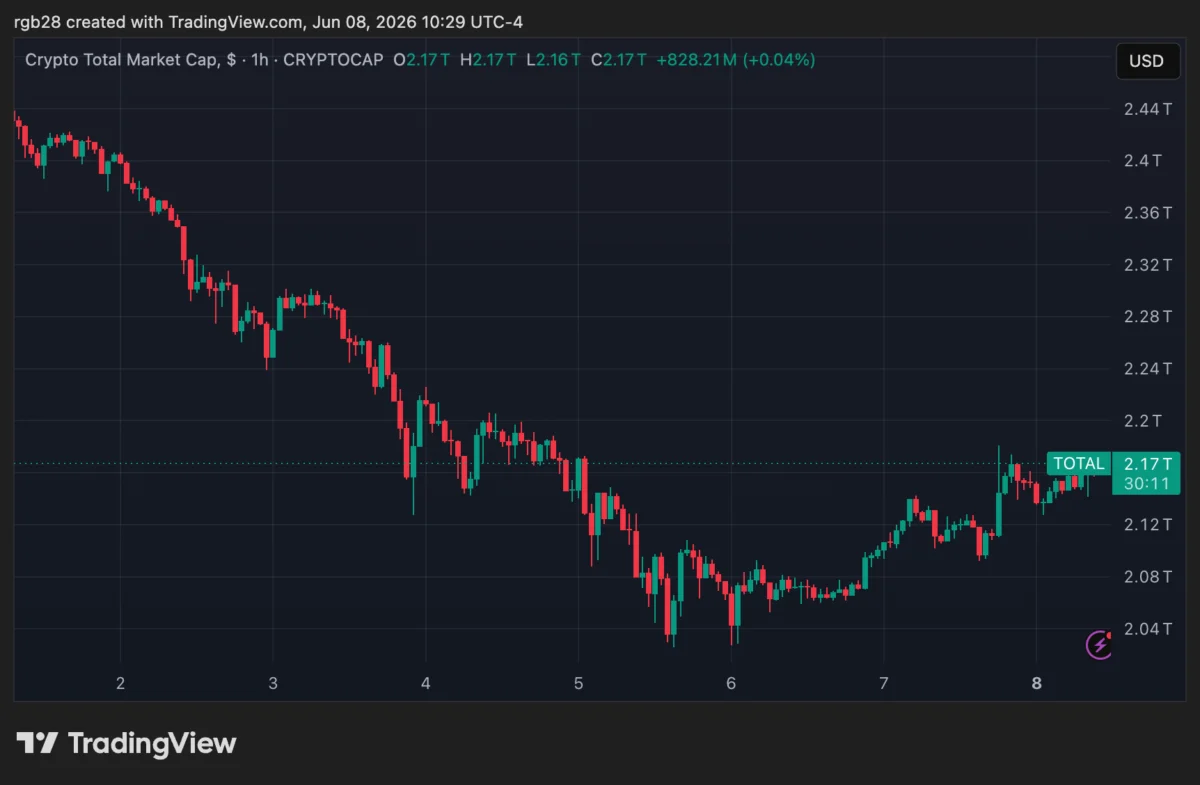
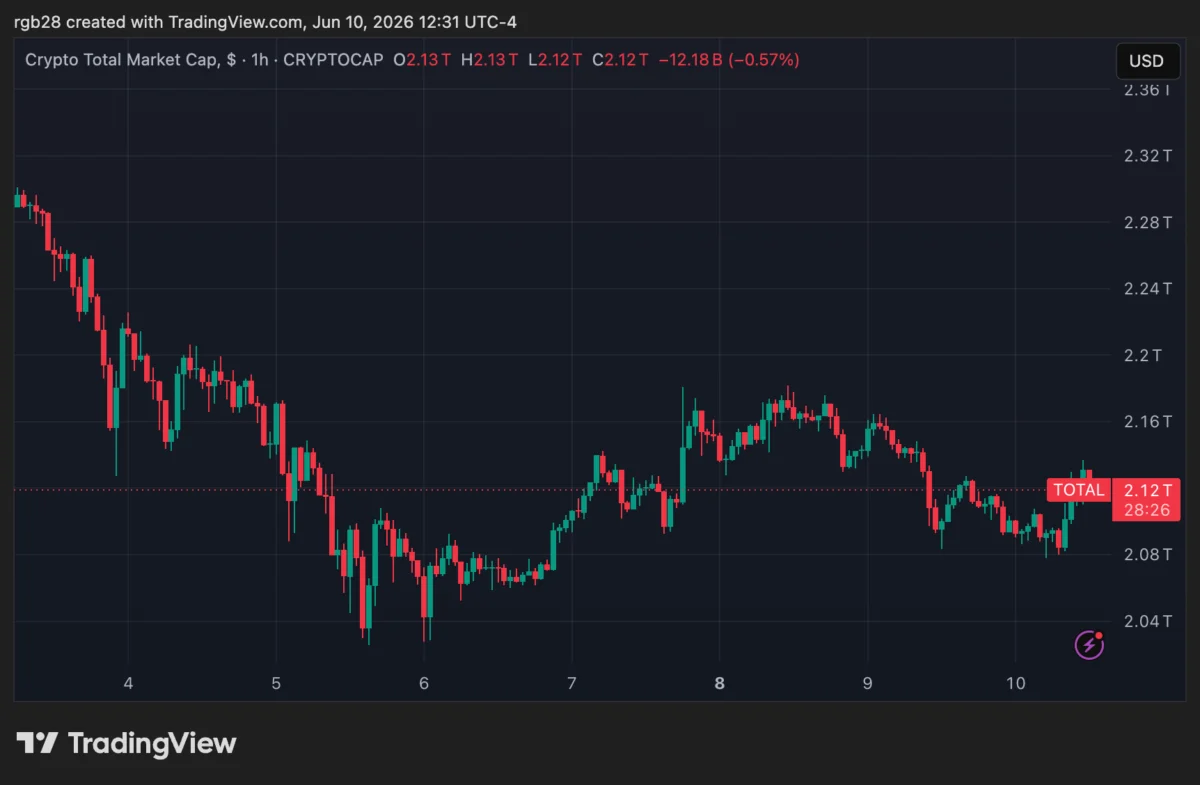
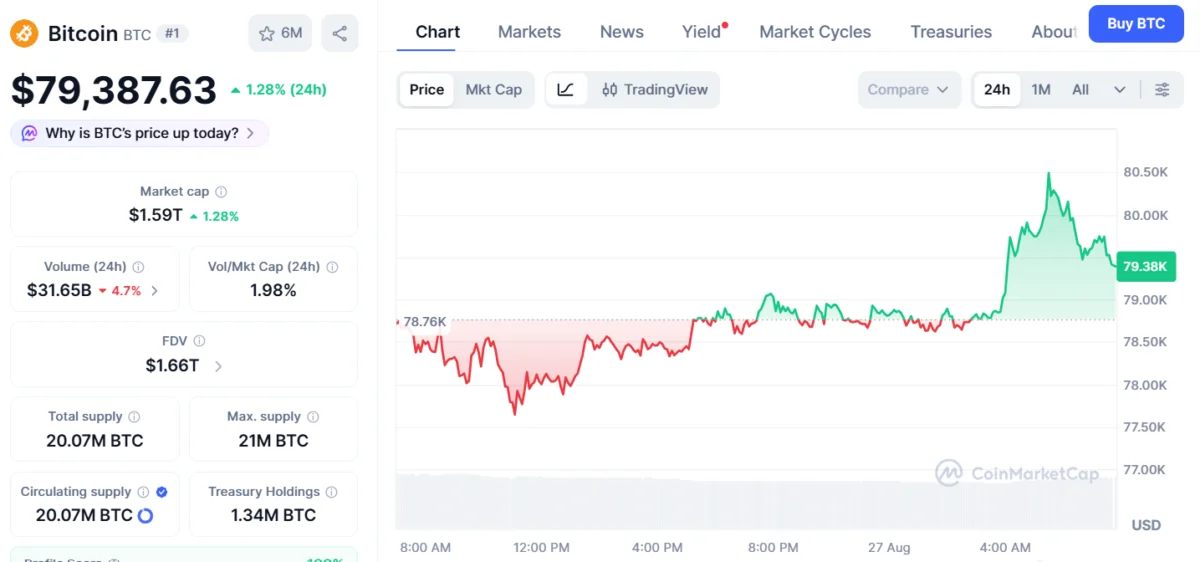
The primary drivers of this resurgence are a powerful six-day consecutive inflow streak—totaling roughly $2.84 billion—and a broader macroeconomic and price recovery that has lifted Bitcoin from multi-month lows below $58,000 in early June up to the mid-$80,000 range. While an annual net inflow of $800 million pales in comparison to the record-shattering performance seen in 2024 and 2025, crossing back above the zero line represents a vital psychological victory for institutional adoption, Wall Street market makers, and retail investors alike.
Chronology of a Turnaround: From Summer Depths to Autumn Recovery
To truly understand the weight of the current market shift, one must trace the timeline of U.S. spot Bitcoin ETFs through the volatile landscape of 2026.
Q1 and Q2: The Prolonged Bleed
Following the monumental success of their initial rollout years, spot Bitcoin ETFs entered 2026 facing a fundamentally different macroeconomic environment. Stubborn inflation prints, shifting monetary policies by the U.S. Federal Reserve, and shifting risk appetites among institutional allocators triggered a prolonged period of capital flight.
Week after week, redemptions outpaced creations. Institutional portfolios were rebalanced away from high-beta digital assets into safer fixed-income vehicles as bond yields climbed. By mid-summer, the damage was stark: cumulative net flows for the year had plunged into a deep deficit, bottoming out at approximately negative $5.8 billion by July 13, 2026. For months, the overriding market narrative was defined by institutional capitulation and an ongoing drainage of capital from regulated crypto investment products.
Early September: The Turning Point
The tide began to turn as late summer transitioned into early autumn. As broader economic pressures stabilized and central bank expectations shifted, underlying spot Bitcoin prices found a definitive technical floor. After plunging below the $58,000 threshold in June, Bitcoin began a steady, aggressive climb, breaking back through major psychological resistance levels.
As Bitcoin’s spot price appreciated toward the mid-$80,000 range, the reflexive nature of crypto markets took hold. A rising asset price not only repaired the balance sheets of existing fund holders but also restored confidence among institutional risk committees. Allocations that had been paused or written down suddenly looked attractive again, setting the stage for an unprecedented wave of capital re-entry.
The Six-Day Inflow Surge
The definitive catalyst for the year-to-date recovery arrived via an intense, six-session buying spree. Market data highlights that U.S. spot Bitcoin ETFs hauled in an incredible $2.84 billion in net capital over just six consecutive trading sessions.
The momentum was punctuated by standout daily performances. For instance, data from Farside Investors revealed that the September 24 session alone accounted for roughly $190.7 million in net inflows, with dominant heavyweights like BlackRock’s iShares Bitcoin Trust (IBIT) capturing the lion’s share of institutional interest. This rapid succession of positive net sessions wiped away the remaining remnants of the $5.8 billion summer deficit, propelling cumulative 2026 flows safely back into the green at roughly $800 million.
Supporting Data and Comparative Market Metrics
While the pivot back into positive territory is undeniably bullish from a sentiment perspective, contextualizing these figures within the broader history of spot Bitcoin ETFs provides a realistic view of institutional market dynamics.
Historical Flow Comparison
- 2024: The inaugural year of U.S. spot Bitcoin ETFs was nothing short of historic, pulling in an aggregate of roughly $35.2 billion in net inflows as pent-up demand from traditional finance (TradFi) flooded the market.
- 2025: Momentum continued at a robust pace, with the products securing approximately $21.4 billion in cumulative net inflows, solidifying Bitcoin’s position as a permanent fixture in modern asset allocation models.
- 2026 (Year-to-Date): Despite the recent $6 billion swing and the current $800 million net positive status, 2026 remains a relatively muted year for ETF accumulation.
| Metric / Year | 2024 | 2025 | 2026 (YTD) |
|---|---|---|---|
| Total Net Inflows | ~$35.2 Billion | ~$21.4 Billion | ~$800 Million |
| Market Narrative | Historic Institutional Adoption | Mainstream Portfolio Integration | Volatility, Summer Outflows, & Late Recovery |
| Lowest Flow Point | N/A | Minor Q4 Dips | -$5.8 Billion (July 13) |
Issuer Dynamics and Daily Variance
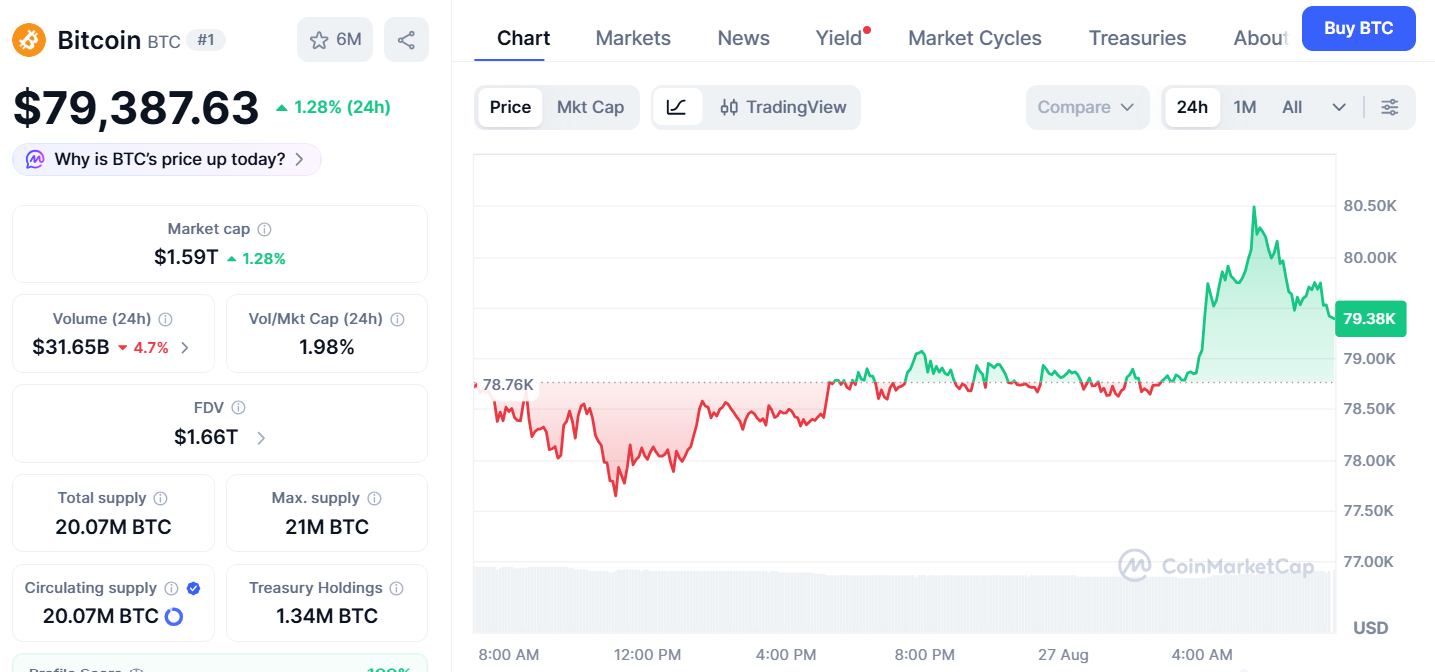
Beneath the aggregate numbers, daily ETF performance continues to exhibit substantial variance across different fund issuers. While institutional giants—most notably BlackRock’s IBIT and Fidelity’s Wise Origin Bitcoin Fund (FBTC)—frequently command the vast majority of daily net inflows, smaller issuers often experience mixed sessions of zero flows or marginal outflows.
This divergence underscores that institutional capital is highly selective, favoring products with deep secondary-market liquidity, tight bid-ask spreads, and robust brand trust. The concentration of capital inflows during the six-day recovery streak heavily favored the tier-one issuers, proving that liquidity begets liquidity in the regulated ETF ecosystem.
Official Responses and Industry Expert Analysis
Market participants, analysts, and financial commentators have weighed in heavily on what this dramatic turnaround means for the remainder of 2026 and the future of crypto-backed investment vehicles.
The Regulatory and Custodial Value Proposition
Industry experts point out that the fundamental value proposition of spot Bitcoin ETFs remains unchanged, serving as the bridge between traditional wealth management and decentralized assets.
"The ability of these products to absorb billions in capital over a matter of days proves that the institutional plumbing works precisely as intended," noted a senior digital asset strategist at a major New York-based financial advisory firm. "Investors who were shaken out during the summer drawdowns are realizing that regulated, custody-free exposure to Bitcoin is an indispensable tool for long-term portfolio diversification—regardless of short-term macro noise."
Macroeconomic Sensitivity
Other market observers urge caution, reminding investors that ETF flows are highly reactive to external economic catalysts. Bond yield fluctuations, shifting U.S. Treasury policies, and unexpected regulatory pronouncements can alter risk appetites overnight.
"Crossing back above zero is a massive psychological milestone, but it doesn’t make these funds immune to macro headwinds," explained a leading crypto derivatives trader. "When macro conditions turn hostile, ETF outflows can accelerate just as quickly as these recent inflows. The real test will be whether this momentum sustains itself through the final quarter of the year."
Macroeconomic and Market Implications
The return of U.S. spot Bitcoin ETFs to net-positive status carries wide-ranging implications for the broader cryptocurrency market, traditional financial institutions, and macroeconomic asset allocation strategies.
1. Psychological Validation for Institutional Allocators
In institutional finance, psychological barriers often dictate capital deployment. For months, investment committees evaluating digital asset exposure had to contend with the negative optics of a multi-billion-dollar outflow trend in 2026. With cumulative flows now sitting in the positive, advisors can pitch Bitcoin ETFs to risk-averse clients without having to explain a persistent capital drain. This removes a significant friction point for wealth management platforms, wirehouses, and independent registered investment advisors (RIAs).
2. The Reflexive Loop Between Spot Prices and ETF Demand
The recent recovery highlights the powerful feedback loop driving modern crypto markets. When macroeconomic fears subside and spot prices appreciate:
- Existing fund holders see their unrealized gains expand, reducing the incentive to redeem shares.
- Higher asset valuations improve portfolio metrics, making digital asset allocations easier to justify under strict risk-management models.
- Inflows accelerate, absorbing circulating supply off the open market and creating an upward pressure loop on the underlying spot price of Bitcoin.
3. Looking Ahead: Durable Trend vs. Late-Quarter Rebound
As the market digests the explosive $2.84 billion influx over the six-day recovery streak, the central question facing analysts is sustainability. Is this sharp reversal the beginning of a sustained fourth-quarter institutional accumulation cycle, or is it merely a temporary relief rally fueled by short-term traders capitalizing on the bounce from sub-$58,000 levels?
While the ultimate trajectory of 2026 flows will depend heavily on upcoming macroeconomic data releases, central bank rate decisions, and Bitcoin’s ability to maintain its position in the mid-$80,000 range and beyond, one reality is indisputable: U.S. spot Bitcoin ETFs have proven their resilience, successfully turning a multi-billion-dollar deficit into a testament to enduring market demand.
Disclaimer: This article is for informational purposes only and does not constitute financial, investment, or legal advice. Always conduct thorough independent research and consult with a licensed financial professional before making any investment decisions.