TON Foundation Reports 100 Million Monthly Active Users for Telegram Web3 Mini-Apps, Marking a Major Consumer Crypto Milestone
By the News Desk | Edited by Samuel Rae
Trusted Editorial Content — Reviewed by leading industry experts and seasoned editors.
Main Facts
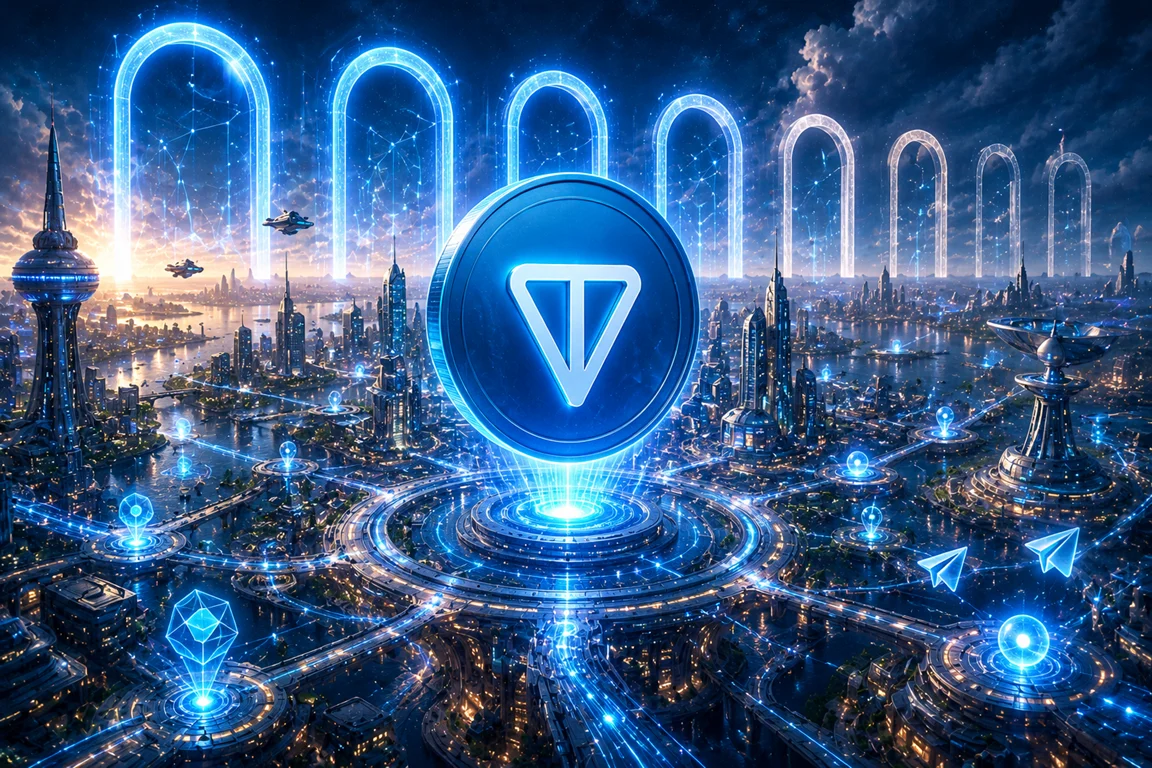
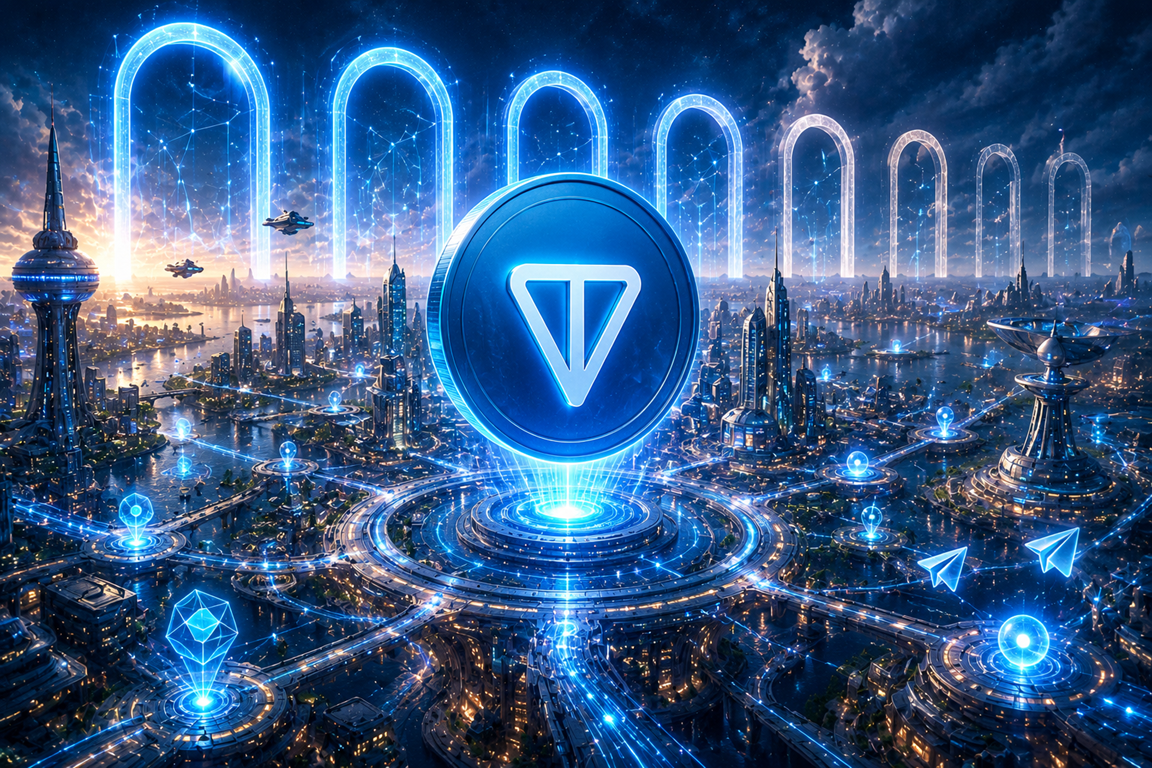
The TON Foundation has officially announced that Telegram Web3 mini-apps have surpassed a monumental threshold, reaching over 100 million monthly active users (MAUs). This milestone signifies a major distribution breakthrough for one of the cryptocurrency sector’s most consumer-facing ecosystems. By integrating decentralized functionalities directly into Telegram—one of the world’s most ubiquitous messaging applications—the Open Network (TON) has successfully unlocked a massive user funnel that traditional blockchain networks have spent billions trying to replicate.
However, industry analysts and the foundation alike emphasize the need for context regarding these figures. The 100 million MAU metric encompasses a broad spectrum of digital interactions, including off-chain Telegram bot sessions, application engagements, and wallet-adjacent activity. Consequently, market observers caution against conflating this figure with 100 million distinct on-chain TON wallets actively executing direct blockchain transactions.
Despite necessary data nuances, the scale of user acquisition remains unprecedented for the Web3 landscape. While most blockchain protocols struggle with the high-friction process of forcing users to download external browser extensions, generate seed phrases, and navigate complex interfaces, TON leverages an existing communication pipeline where billions of people already spend their daily lives.
Chronology and Evolution of the TON-Telegram Synergy
To understand how the TON ecosystem achieved a 100-million-user base, it is essential to retrace the strategic evolution of the project’s integration with Telegram:
- The Genesis (2018–2020): Telegram originally developed the Telegram Open Network (TON) to integrate high-speed blockchain infrastructure and cryptocurrency payments (Gram) into its messaging platform. However, regulatory crackdowns by the U.S. Securities and Exchange Commission (SEC) forced Telegram to officially abandon the project in 2020, returning capital to investors and paying a settlement.
- Community Resurgence (2020–2022): Following Telegram’s departure, independent developers, open-source communities, and validators—operating under the banner of the TON Foundation—resurrected the codebase. They maintained the original vision, gradually optimizing the network architecture for massive throughput and low transaction costs.
- The Telegram Partnership Formalization (2023): Telegram formally endorsed TON as its official Web3 blockchain infrastructure partner. This pivotal move integrated wallet infrastructure and promoted decentralized applications directly inside the Telegram application interface, laying the technical foundation for viral consumer mini-apps.
- The Viral Gaming Wave (2024): The launch of gamified tap-to-earn applications and viral mini-apps—such as Notcoin and Hamster Kombat—triggered exponential user acquisition. Millions of mainstream users interacted with Web3 elements for the first time without realizing they were engaging with blockchain technology.
- The 100 Million MAU Milestone (Early 2025): Data compiled by the TON Foundation and ecosystem trackers such as Tonstat confirmed that cumulative monthly active users across the mini-app ecosystem officially crossed the 100 million threshold, cementing TON’s position as a dominant consumer-facing blockchain network.
Supporting Data and Analytical Breakdown
While 100 million monthly active users is an eye-catching statistic, a granular examination of the data reveals how these numbers are distributed and what they truly represent for the health of the network.
Deconstructing the 100 Million MAU Metric
Crypto adoption metrics are notoriously prone to hyperbole. In traditional financial technology or Web2 metrics, active users refer to individuals opening an application. In the context of Telegram mini-apps, the metric aggregates several layers of engagement:
- Off-Chain Bot Interactions: Many Telegram bots automate tasks, notifications, or simple click-based reward mechanisms. These interactions occur entirely off-chain, consuming zero block space and requiring no gas fees.
- App Sessions: Users opening gaming, utility, or social mini-apps within the Telegram interface. While these apps may interface with smart contracts, many run standard Web2 backend logic with periodic on-chain settlement.
- Wallet-Adjacent Activity: Engagement with custodial or non-custodial solutions integrated into the app layer, such as interacting with reward balances or viewing token allocations before claiming them on-chain.
The Conversion Challenge: Attention to On-Chain Value
The critical metric for the long-term viability of the TON ecosystem is not merely user acquisition, but conversion. Industry analysts note that moving from an off-chain game session to a confirmed on-chain transaction requires a conscious user journey.
To bridge this gap, the ecosystem relies heavily on TON Space, a native self-custody wallet solution built directly into the Telegram application. TON Space allows users to transition seamlessly from casual mini-app participants to sovereign asset holders. By eliminating the friction of third-party wallet setups, TON Space drastically reduces user drop-off during the onboarding phase.
However, market data shows that only a fraction of the 100 million MAUs currently maintain active, funded self-custody wallets or engage consistently in decentralized finance (DeFi) protocols, peer-to-peer payments, and marketplace transactions on the network.
Official Responses and Perspectives
Leadership figures within the TON Foundation and broader industry stakeholders have provided valuable context surrounding the milestone, balancing optimism with realistic assessments of user behavior.
Representatives from the TON Foundation emphasized that the primary hurdle for blockchain technology has never been transaction speed or scalability—it has always been distribution. In a statement released alongside the ecosystem data, foundation spokespersons noted:
"Crypto adoption usually struggles with distribution. Projects build wallets, exchanges, apps, games, and payment systems, then spend huge amounts trying to attract users. TON starts from a different place because it is closely tied to the Telegram environment. That does not guarantee adoption, but it gives TON a user funnel most chains do not have."
Independent blockchain researchers have echoed these sentiments while offering necessary caveats regarding bot-driven traffic. Because Telegram is uniquely suited for automated scripts and bot deployments, networks utilizing the platform must constantly filter out inorganic engagement to measure true economic activity accurately.
As noted in editorial reviews of the ecosystem’s metrics:
"Bot-driven ecosystems can produce huge engagement numbers, but not every interaction has the same economic value. A user clicking inside a mini-app is different from a user holding assets, making payments, or interacting with DeFi. The quality of activity matters. Still, engagement is the first step. Without users, none of the deeper metrics can follow."
Broader Implications for the Consumer Crypto Sector
The milestone achieved by the TON ecosystem carries profound implications for the future trajectory of the wider cryptocurrency industry. For years, the prevailing thesis in Web3 development centered on building dedicated layer-1 and layer-2 blockchains, deploying proprietary wallet applications, and hoping that users would migrate over time. This "build it and they will come" strategy resulted in fragmented liquidity, high customer acquisition costs, and notoriously steep learning curves for retail participants.
TON’s success in leveraging Telegram’s 900-million-plus global user base points toward a paradigm shift: embedded consumer crypto.
1. The Death of the Standalone Wallet Onboarding Friction
By embedding wallet infrastructure (such as TON Space) inside existing super-apps like Telegram, projects can bypass the traditional, intimidating onboarding funnel. Users no longer need to understand the complexities of private keys, gas fees, or bridge mechanisms before experiencing the utility of a decentralized application. This model paves the way for other messaging platforms and social networks to integrate native Web3 features.
2. Redefining Application Utility
The proliferation of mini-apps demonstrates that consumers are willing to engage with blockchain-backed assets if the delivery mechanism is entertaining, gamified, or culturally relevant. Whether through play-to-earn mechanics, social tipping, or digital collectibles, mini-apps prove that the underlying technology must remain invisible to the end user, prioritizing seamless user experience over technical maximalism.
3. The Test of Economic Sustainability
Reaching 100 million monthly active users solves the distribution problem, but it introduces a new set of challenges regarding economic sustainability. The ultimate test for TON will be its ability to transition millions of casual gamers and bot-interactors into high-value participants who utilize decentralized finance, support creator economies, and generate sustainable application revenue.
If the TON Foundation and its developer ecosystem can successfully convert this monumental wave of attention into durable, on-chain economic activity, it will establish a definitive blueprint for mass-market crypto adoption that the rest of the industry will be forced to follow.
For further details and ongoing data updates, visit the official Ton platform.