Toncoin Secures Over $400 Million in Venture Capital Backing as Integration with Telegram Deepens
The Open Network (TON) foundation reveals a massive influx of institutional capital, bolstered by elite Silicon Valley venture firms, a strategic partnership with messaging giant Telegram, and the burgeoning growth of decentralized applications on the network.
Main Facts
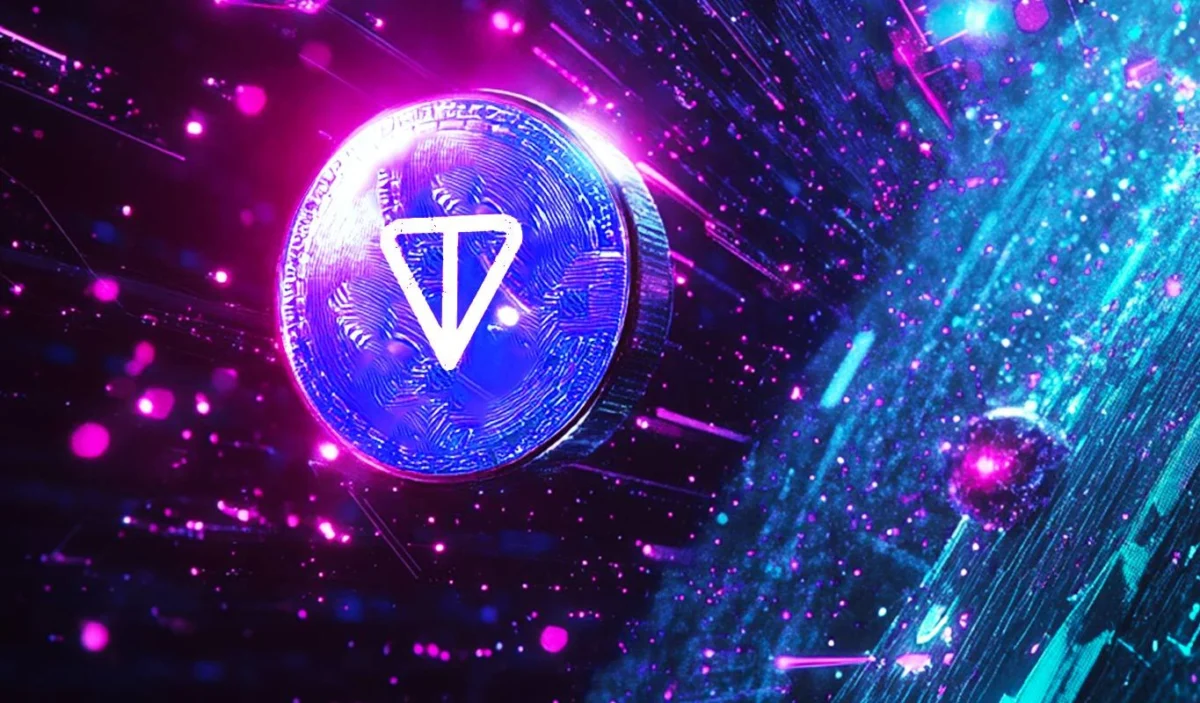
The layer-1 blockchain ecosystem Toncoin (TON) has officially secured over $400 million in total funding from a formidable roster of venture capital heavyweights and institutional investors. According to an announcement by the TON Foundation, the capital injection brings substantial financial muscle to the network as it scales its infrastructure to support millions of decentralized applications and users globally.
The financing round features an array of Silicon Valley and global crypto venture firms, including:
- Sequoia Capital
- Ribbit Capital
- Benchmark
- Kingsway Capital
- Vy Capital
- Draper Associates
- Libertus Capital
- CoinFund
- Hypersphere
- SkyBridge Capital
- Karatage
This institutional validation marks a pivotal turning point for TON, which has evolved from an internal messaging-app experiment into one of the most widely distributed blockchain networks in the world. Ranked as the 14th-largest cryptocurrency by market capitalization, TON trades at approximately $3.61, reflecting ongoing market fluctuations while maintaining robust underlying venture support.
The core catalyst behind this massive institutional interest is TON’s unique, deeply integrated relationship with Telegram. Boasting a staggering 1 billion monthly active users, Telegram provides the layer-1 network with an unparalleled distribution pipeline that no other blockchain project currently commands.
Chronology: The Evolution of Toncoin
To understand the gravity of a $400 million capital infusion into Toncoin, one must examine the tumultuous and resilient history of the project, which spans from a visionary concept inside a messaging app to an independent, community-driven decentralized network.
2018–2020: The Telegram Genesis and SEC Legal Battles
The project’s origins trace back to 2018 when it was conceived, designed, and initially developed by the encrypted messaging platform Telegram—led by Pavel Durov—under the moniker Telegram Open Network (TON). The ambition was grand: create a high-speed, scalable blockchain capable of handling millions of transactions per second, natively embedded within the Telegram ecosystem.
To fund development, Telegram executed a massive private token sale in early 2018, raising $1.7 billion through the sale of Gram tokens to accredited investors. However, the project immediately drew the scrutiny of the U.S. Securities and Exchange Commission (SEC). In October 2019, the SEC obtained an emergency restraining order halting the distribution of Grams, arguing that the unregistered offering violated U.S. securities laws.
Following a protracted legal battle, Telegram officially settled with the SEC in June 2020, agreeing to return remaining funds to investors and pay an $18.5 million civil penalty. Telegram officially parted ways with the blockchain initiative, leaving its future uncertain.
2020–2023: Community Takeover and Decentralized Renaissance
Rather than letting the technology fade into obscurity, an independent, open-source community of developers and validators stepped into the vacuum in mid-2020. Renaming the initiative The Open Network (while preserving the native ticker TON), this decentralized collective took over the codebase, launched the mainnet, and began building out the network’s governance and infrastructure independently of Telegram.
During these formative years, the network focused on establishing validator decentralization, improving transaction throughput, and cultivating a developer community. Gradually, the underlying architectural brilliance of the blockchain began to attract independent capital and developer talent.
2024–2025: Deepening Integration and Ecosystem Explosion
The tide turned dramatically back toward Telegram in late 2023 and 2024. Telegram recognized the immense potential of utilizing the TON blockchain to power its native economy. The platform enabled users to send Toncoin seamlessly within chats without needing complex alphanumeric wallet addresses, drastically reducing friction for everyday retail users.
In January 2025, the synergy between the two entities reached a milestone when TON was officially named the exclusive blockchain partner for Telegram’s Mini Apps Ecosystem. This designation transformed Telegram into a massive Web3 super-app, allowing developers to deploy decentralized applications, mini-games, and financial services directly inside the messaging interface. This massive user funnel triggered the current wave of venture capital interest, culminating in the reported $400 million-plus investment milestone.
Supporting Data and Market Metrics
The $400 million investment figure highlights a broader shift in institutional venture capital allocations toward layer-1 blockchains with built-in distribution mechanisms. While traditional layer-1 networks must spend years and billions of dollars acquiring users through organic marketing, developer grants, and speculative incentives, TON leverages Telegram’s organic user base of over 1 billion individuals.
- Market Standing: At the time of writing, TON holds the 14th position in the global cryptocurrency market capitalization rankings. Despite daily market volatility—reflecting a minor 2% pullback over a 24-hour window to $3.61—its long-term fundamental metrics have trended upward alongside active wallet growth.
- The Investor Syndicate: The backing consortium represents a diverse mix of traditional tech venture capital (Sequoia, Benchmark, Ribbit) and crypto-native funds (CoinFund, Hypersphere). This hybrid backing indicates that institutional investors view TON not merely as a speculative digital asset, but as consumer-facing infrastructure capable of bridging Web2 audiences into Web3 environments.
- Ecosystem Activity: The integration of Telegram Mini Apps has sparked exponential growth in decentralized finance (DeFi), gaming, and digital collectables on the network. Mini-applications—such as viral tap-to-earn games and integrated crypto wallets—have introduced tens of millions of new users to decentralized transactions for the very first time.
Official Responses and Stakeholder Perspectives
The announcement of the $400 million funding milestone has generated widespread commentary from prominent figures within the venture capital and blockchain development sectors.
Sequoia Capital
Shaun Maguire, a partner at Silicon Valley titan Sequoia Capital, emphasized why his firm chose to back the ecosystem, pointing to the rare intersection of consumer-grade product design and heavy-duty crypto engineering.
"The TON team is the best in the world at the intersection of consumer product thinking and crypto infrastructure," Maguire remarked.
Sequoia’s involvement signals strong confidence that TON can achieve mainstream consumer adoption where previous blockchain projects have struggled due to high user-experience barriers.
The TON Foundation
Representatives from the TON Foundation underscored that the multi-hundred-million-dollar war chest will be strategically deployed to accelerate global adoption, expand developer tooling, scale network security, and support the rapid expansion of Telegram’s Mini Apps ecosystem. The foundation aims to solidify TON’s position as the primary settlement layer for consumer-focused decentralized applications.
Implications for the Broader Crypto and Tech Landscape
The massive financial backing of Toncoin and its symbiosis with Telegram carry profound implications for the future of digital assets, mobile applications, and consumer-facing Web3 infrastructure.
1. Redefining Web3 User Acquisition
For years, the crypto industry has struggled with the "onboarding problem"—the friction associated with downloading external wallet extensions, securing seed phrases, and funding gas fees with unfamiliar native tokens. By integrating Toncoin directly into a messaging application utilized by a billion people, the TON-Telegram partnership offers a masterclass in frictionless onboarding. Users can interact with decentralized applications natively, sending digital assets as easily as sending a photograph or text message.
2. The Rise of the Super-App Era
The success of Telegram’s Mini Apps ecosystem mirrors the trajectory of Asian super-apps like WeChat. By opening its platform to third-party developers backed by a high-speed layer-1 blockchain, Telegram is positioning itself as an operating system rather than just a messaging app. This model threatens traditional app stores (like Apple’s App Store and Google Play) by bypassing traditional payment rails and in-app purchase fees through decentralized, peer-to-peer crypto transactions.
3. Increased Scrutiny and Regulatory Challenges
Given the project’s historical entanglement with the U.S. Securities and Exchange Commission, the rapid scaling of Toncoin under the wing of Telegram will undoubtedly invite continued regulatory oversight. While the TON Foundation operates independently from Telegram, regulators globally will closely monitor how native token transfers and mini-app financial services comply with local anti-money laundering (AML) and consumer protection laws.
4. Setting a Precedent for Big Tech in Crypto
Telegram’s successful pivot from a regulatory casualty to a blockchain trailblazer may encourage other major technology conglomerates to reconsider digital asset integration. If TON proves that a Web2 giant can successfully incorporate a layer-1 blockchain without alienating its core user base, competing communication and social media networks could follow suit, accelerating global cryptocurrency adoption to unprecedented levels.
Disclaimer: The information provided in this article is for informational purposes only and does not constitute financial or investment advice. Readers should conduct their own thorough research and consult with a licensed financial advisor before engaging in high-risk cryptocurrency investments or digital asset trading.