Institutional Crypto Exodus: $414 Million Pulled Amid Geopolitical and Economic Uncertainty
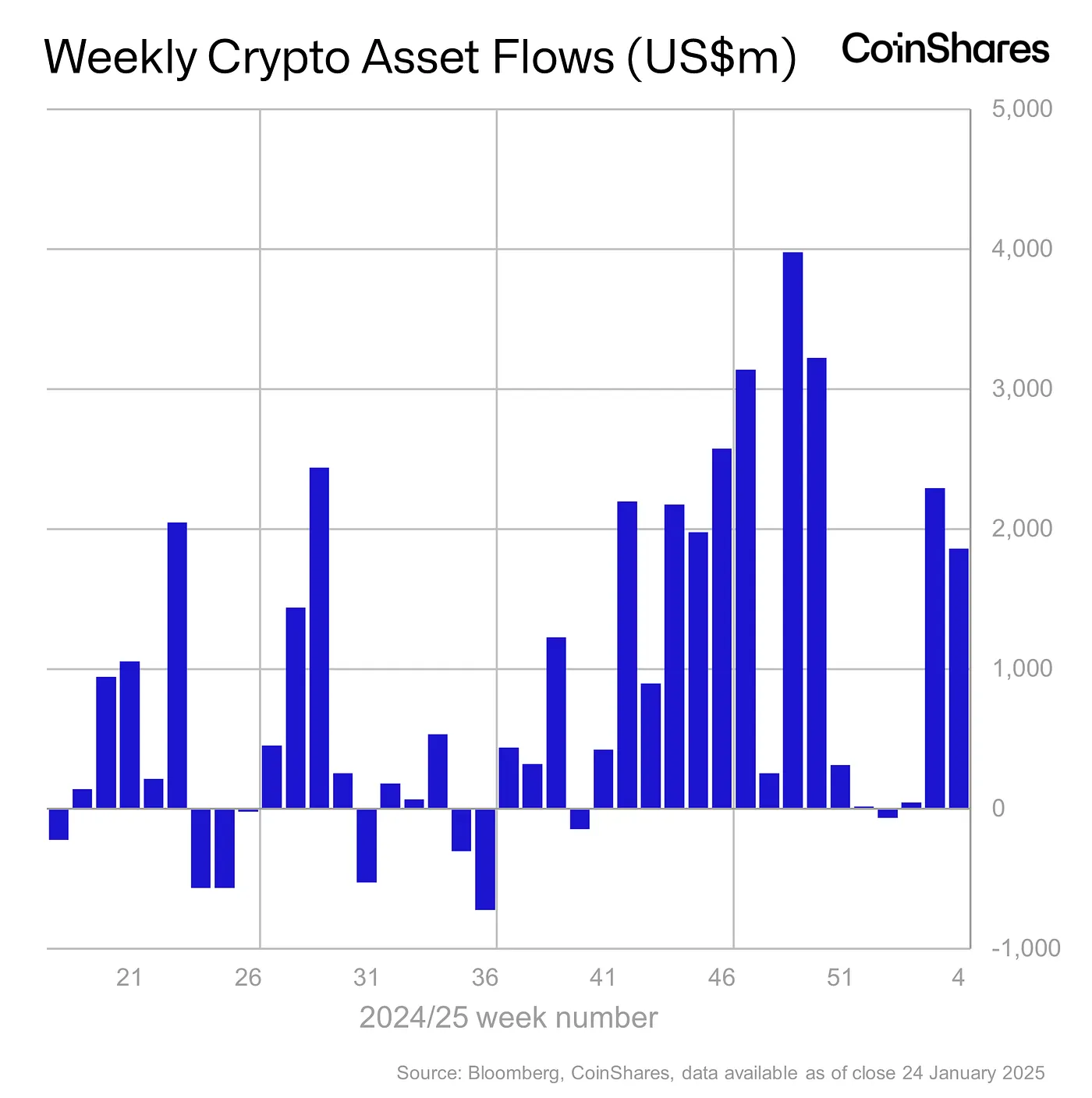
Institutional investors have signaled a sharp shift in risk appetite, executing a massive $414 million withdrawal from Bitcoin and broader cryptocurrency investment products over the past week. According to the latest weekly report from CoinShares, this represents the first major selloff in five weeks, marking a pivotal moment of caution in the digital asset markets as global geopolitical tensions and stubborn inflationary pressures weigh heavily on investor sentiment.
The Main Facts: A Sudden Reversal of Sentiment
The latest data from CoinShares confirms that the crypto market’s recent bullish momentum has hit a significant roadblock. For the first time in over a month, institutional portfolios have trended toward liquidity rather than accumulation. This $414 million exit brings the total assets under management (AUM) for the sector to $129 billion, a figure that, while robust, reflects a cooling off from the aggressive inflows witnessed throughout the first quarter of the year.
The selloff appears to be a direct reaction to the escalating conflict between Iran and Israel, coupled with renewed anxieties regarding the Federal Reserve’s interest rate trajectory. As inflation data in the United States continues to remain sticky, investors are increasingly moving toward cash and safe-haven assets, effectively de-risking their portfolios in the face of macro-volatility.
Chronology: How the Selloff Unfolded
To understand the scale of the recent market behavior, it is necessary to examine the movement of capital across global jurisdictions and specific assets over the last seven days.
Early Week Volatility
The week began with immediate pressure on digital asset investment products as news of heightened tensions in the Middle East broke. Institutional desks, which typically operate with high-frequency algorithmic strategies, began trimming their exposure to risk-on assets almost immediately. By mid-week, the outflow trends were firmly established, with the United States acting as the epicenter of the liquidations.
Mid-Week Divergence
While the majority of the institutional world was selling, a notable divergence appeared in international markets. Germany and Canada acted as the primary counter-cyclical players, absorbing supply as prices dipped. This "buying the dip" behavior in Europe and North America provided a slight cushion against what could have been a much deeper, more catastrophic price correction.
Weekend Stabilization
By the close of the week, the velocity of the outflows began to normalize. While the net outflow remained firmly in the red, the aggressive selling pressure abated as traders assessed the latest inflationary reports and central bank commentary.
Supporting Data: Regional and Asset-Specific Breakdowns
The nuances of the $414 million exit reveal a complex narrative of how different regions and assets reacted to the macro-economic environment.
Regional Disparities
The United States, which represents the largest pool of institutional crypto capital, led the retreat with a staggering $445 million in outflows. This significant figure confirms that American institutional sentiment is highly sensitive to domestic fiscal policy and the geopolitical stance of the Biden administration.
Switzerland, traditionally a bastion of crypto-friendly banking and investment, recorded minor outflows of $4 million. Conversely, Germany and Canada bucked the trend, demonstrating continued confidence in the asset class. Germany saw inflows of $21.2 million, while Canada recorded $15.9 million in fresh capital allocation. This regional split suggests that while the US market is currently prioritizing capital preservation, European and Northern investors are viewing the price correction as an entry point for long-term positioning.
Asset-Class Breakdown
The selloff was not uniform across all digital assets:
- Ethereum (ETH): The second-largest cryptocurrency bore the brunt of the institutional exit. Investors pulled $222 million from Ethereum products, deepening its year-to-date net outflow to $273 million. This reflects a broader lack of confidence in Ethereum’s immediate price action relative to Bitcoin.
- Bitcoin (BTC): As the primary market mover, Bitcoin saw $194 million in outflows. However, its resilience remains clear; the asset still holds a impressive year-to-date inflow total of $964 million. Furthermore, the interest in "Short-Bitcoin" products—which rose by $4 million—highlights that institutional investors are increasingly hedging their long positions against further downside.
- Altcoins: Solana (SOL) experienced a cooling off with $12.3 million in outflows. In contrast, XRP (Ripple) stood out as a notable performer, attracting $15.8 million in new inflows, suggesting that some institutional players are rotating out of larger, more volatile assets into specific projects with unique regulatory or utility developments.
Official Responses and Market Analysis
While specific institutional firms rarely comment on weekly flows, market analysts at CoinShares and other major research houses have pointed toward two primary drivers: the "Iran Factor" and the "Inflationary Wall."
"The market is currently wrestling with a dual-threat," says one senior market analyst. "First, the threat of an expanded conflict in the Middle East has sent shockwaves through energy and commodity markets, driving up the cost of living and, by extension, inflation. Second, the higher-for-longer interest rate narrative coming from the Federal Reserve has stripped away the ‘cheap money’ environment that fueled the crypto rally earlier this year."
The data suggests that institutional investors are no longer viewing Bitcoin strictly as a "digital gold" hedge against geopolitical instability. Instead, when the risk of a regional war turns into a likelihood, institutions are treating crypto as a high-beta asset that should be sold to shore up liquidity.
Implications: What This Means for the Future of Crypto
The recent $414 million outflow carries several long-term implications for the digital asset landscape.
1. The Maturity of Institutional Sentiment
The fact that Canada and Germany bought the dip demonstrates that institutional crypto investment is becoming more geographically diverse. The market is no longer solely dependent on US sentiment. This maturing landscape suggests that even if one region retreats, the global demand for digital assets remains entrenched.
2. Regulatory and Macro-Economic Sensitivity
The correlation between crypto outflows and the US inflation print is becoming increasingly tight. Investors should prepare for a period where Bitcoin and Ethereum trade in lockstep with equity indices like the S&P 500 or the Nasdaq, at least until the next major catalyst (such as a regulatory breakthrough or an institutional adoption milestone) occurs.
3. The "Flight to Quality" or "Flight to Cash"?
The outflows indicate a "flight to cash" rather than a "flight to quality." Investors are not necessarily moving their money from Bitcoin into gold or silver; they are moving into stable, liquid currency reserves to mitigate the risks of a volatile summer. This implies that once the macro-economic picture clears—specifically regarding interest rate cuts—this capital is likely to return to the digital asset market.
4. Ethereum’s Identity Crisis
The heavy outflows from Ethereum are particularly telling. With $222 million leaving the ecosystem, Ethereum is struggling to justify its valuation in the eyes of institutional allocators. Whether this is due to competition from other Layer-1 chains or concerns over the lack of spot-ETF approval momentum, the Ethereum foundation and its ecosystem developers have a clear mandate: they must demonstrate utility and growth that outweighs the current macro headwinds.
Conclusion: A Temporary Setback or a New Trend?
The $414 million outflow is a stark reminder that institutional capital is not static. It is responsive, analytical, and—above all—risk-averse when the global political climate becomes unpredictable. While the year-to-date figures for Bitcoin remain positive, the current climate suggests a period of consolidation.
Investors and market observers should monitor the upcoming US Consumer Price Index (CPI) reports and any further developments in the Middle East. If the geopolitical situation stabilizes, we may see a swift reversal of these outflows. However, if inflation continues to resist the Federal Reserve’s efforts, the "risk-off" environment may persist, leading to further pressure on crypto assets throughout the second quarter.
For the retail investor, this data serves as a cautionary tale. While the "smart money" is currently trimming its positions, it is also identifying specific assets—like XRP—that offer potential upside despite the prevailing gloom. As always, volatility is the price of admission in the cryptocurrency market, and the current week’s data is merely the latest chapter in a long and complex narrative of institutional adoption.
Disclaimer: The information provided in this article is for informational purposes only and does not constitute financial, investment, or legal advice. Cryptocurrency investments are subject to high volatility and risk. Readers should conduct their own thorough due diligence and consult with a certified financial advisor before making any investment decisions. The Daily Hodl does not endorse or recommend the purchase or sale of any specific digital assets.