
Crypto Markets Enter a Deep Chill: Analyzing the 40% Plunge in June Trading Volumes
The cryptocurrency landscape, known for its extreme volatility and rapid cycles of boom and bust, underwent a significant cooling period in June. After months of feverish speculation and record-breaking activity, major digital asset exchanges experienced a precipitous decline in trading volume, shedding more than 40% of their activity compared to the preceding month. This contraction, documented by London-based market intelligence firm CryptoCompare, marks a definitive shift in investor sentiment as the market navigates a grueling two-month price correction.
As Bitcoin and its altcoin counterparts struggle to regain their footing, analysts are dissecting the confluence of regulatory pressures, macroeconomic uncertainty, and shifting liquidity to understand whether this is a temporary pause or a signal of a more prolonged "crypto winter."
The Core Facts: A Liquidity Squeeze
According to the latest data from CryptoCompare, the month of June saw spot trading volumes on major exchanges—including industry giants like Binance, Coinbase, Kraken, and Bitstamp—plummet by approximately 42.7%. The derivative markets, often a primary indicator of professional and institutional appetite, followed a similar downward trajectory, with total volumes contracting by 40.7%.
This reduction in trading activity was not merely a side effect of lower price points; it was a direct reflection of diminished market participation. Open interest—the total number of outstanding derivative contracts—also faced a significant hit, with Bitcoin (BTC) futures open interest falling by 31.8% and Ethereum (ETH) futures declining by 29.3%.
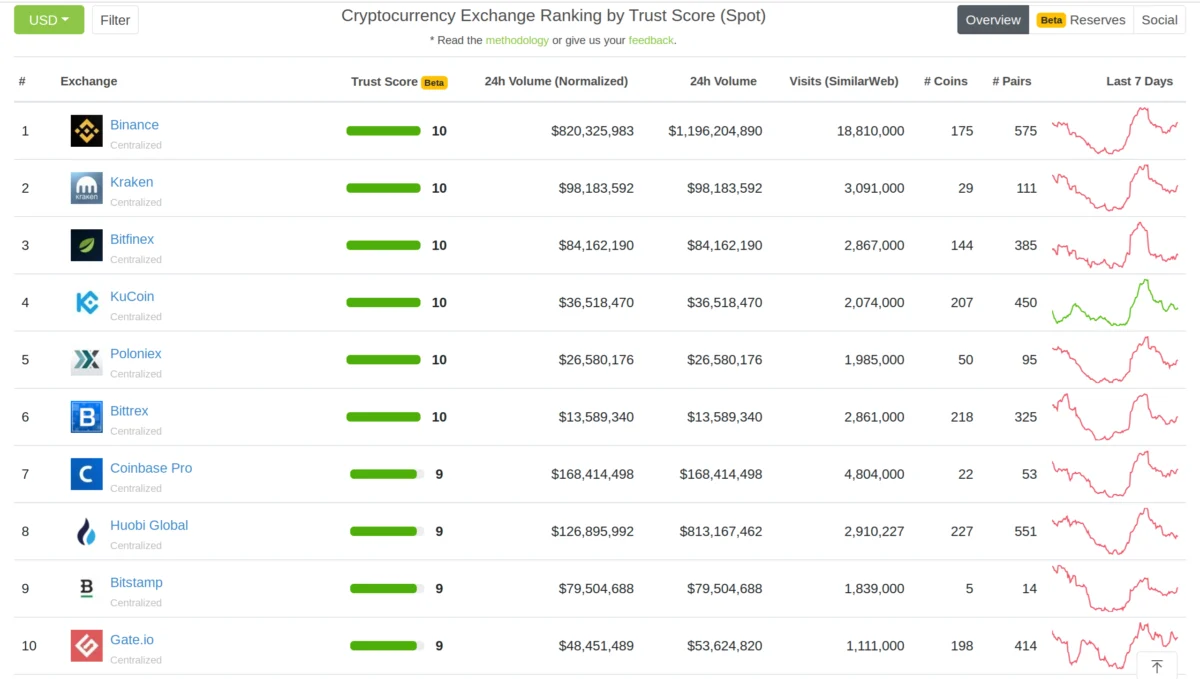
Despite the headline-grabbing decline, Binance maintained its iron grip on the market, retaining its title as the largest exchange by volume, even as its total throughput dropped to $668 billion. The data paints a clear picture: the frenetic buying pressure that defined the first quarter of 2021 had evaporated, replaced by a cautious, sideways consolidation phase.
A Chronology of the Correction
To understand the current state of the market, one must look back at the cascade of events that triggered this exhaustion.
The May Catalyst
The seeds of June’s decline were sown in May, when China—the global hub for Bitcoin mining—announced an aggressive, comprehensive crackdown on the industry. The government’s move to shutter mining operations sparked a mass exodus of hardware and personnel, sending shockwaves through the network’s hashrate and shattering investor confidence. The resulting price volatility led to widespread liquidations, as leveraged positions were forcibly closed, creating a "flash crash" environment that wiped out billions in value.
The June Slump
By the time June arrived, the market was exhausted. Bitcoin hit a monthly low of $28,908, ending the period down 6%. The atmosphere was dominated by a tug-of-war between negative and positive headlines. On one side, the regulatory tightening in China persisted, casting a long shadow over the mining sector. On the other, a landmark moment occurred as El Salvador officially adopted Bitcoin as legal tender, becoming the first sovereign nation to do so. However, even this historic news was insufficient to reverse the downward momentum, as investors preferred to wait on the sidelines rather than commit new capital to a volatile asset class.
Supporting Data: Contextualizing the "Plunge"
While the 40% figure sounds catastrophic to an outsider, market analysts urge caution in interpreting these statistics in isolation. Clara Medalie, research lead at the crypto market intelligence firm Kaiko, provides a crucial perspective on the matter.
"Volumes plunged in June on pretty much every exchange, however, overall volumes are still magnitudes greater than they were one year ago today," Medalie noted in a recent interview with CNBC.
Perspective vs. Panic
To properly contextualize the June performance, one must acknowledge the outlier status of May 2021. May saw the highest trading volumes in the history of the cryptocurrency market, driven by unprecedented liquidation events and a massive retail surge. Comparing June to May is, in many ways, an "unfair comparison."
When viewed against a longer timeframe, June’s figures remain remarkably robust. The month still ranks within the top five months for volume ever recorded in the history of the industry. Volumes have essentially reverted to levels observed in early 2021, which, while lower than the peak, remain vastly higher than the levels seen throughout the entirety of 2020. This suggests that the current correction is not a total abandonment of the asset class, but rather a reversion to a more sustainable, albeit less volatile, level of activity.

The Institutional and Regulatory Landscape
The decline in volume is closely linked to the evolving regulatory landscape. The crackdown in China has fundamentally changed the geography of Bitcoin mining, shifting the burden of network security to North America and other regions. This transition has caused a temporary disruption in network stability and investor sentiment.
Furthermore, the rise in "sideways" price action has led to a reduction in the speculative fervor that often drives retail trading. When volatility decreases, the day-trading population—which relies on rapid price swings to generate returns—often moves to other asset classes or shifts into cash, leading to the "drying up" of liquidity observed on many exchanges.
However, the institutional narrative remains intact. Major financial institutions that entered the space in late 2020 and early 2021 are generally long-term holders. The reduction in futures and options activity suggests that while retail traders have pulled back, professional market makers are also taking a more defensive posture, waiting for a clear catalyst—either positive or negative—to dictate the next move.
Implications: What Comes Next?
The current environment presents several key implications for both market participants and observers:
1. Market Maturation
The drop in volume can be seen as a necessary "deleveraging" event. During bull runs, high leverage and excessive speculation can lead to market fragility. By clearing out these positions, the market may actually be setting a stronger foundation for future growth.
2. The Search for Stability
The adoption of Bitcoin by El Salvador and the ongoing discussions regarding Bitcoin ETFs in the United States suggest that the institutionalization of crypto is not slowing down, even if the price action is. Regulatory clarity, or the lack thereof, remains the primary hurdle for the next phase of adoption.
3. Retail Sentiment
The decline in trading volume is a bellwether for retail interest. When the market is "boring" or trending downward, retail investors often exit. A return to high-volume trading will likely require a shift in the macroeconomic narrative—such as a change in central bank policy or a positive breakthrough in crypto-related legislation—that encourages retail participants to re-enter the fold.
4. Exchange Consolidation
With volumes down, smaller, less capitalized exchanges may find it increasingly difficult to survive. This could lead to a wave of mergers and acquisitions in the crypto-exchange space, further consolidating power among the top-tier, well-capitalized entities like Binance, Kraken, and Coinbase, which possess the regulatory compliance and liquidity to weather the downturn.
Conclusion
The 40% decline in trading volumes witnessed in June is a reflection of a market undergoing a period of intense re-evaluation. While the drop from the record highs of May is substantial, it is essential to view this through the lens of a maturing market. The crypto sector has evolved significantly from the low-volume, niche environment of 2020.
As the industry navigates the fallout from mining shifts and global regulatory scrutiny, the "sideways" movement serves as a period of consolidation. Whether this leads to a renewed push toward all-time highs or a deeper, more protracted slump depends largely on the ability of the ecosystem to integrate institutional standards and navigate the complex geopolitical landscape of digital finance. For now, the crypto markets remain in a state of watchful waiting, with investors and institutions alike positioning themselves for the next major development in this volatile yet resilient asset class.
Disclaimer: The information provided in this article is for educational and informational purposes only and does not constitute financial, investment, or legal advice. Cryptocurrency investments carry a high level of risk. Investors should conduct their own thorough due diligence before making any financial decisions. The author and publisher are not responsible for any losses incurred through the use of this information.