Beyond the Block Reward: Dan Loeb’s Third Point and the Institutional Pivot of Bitcoin Miners into AI Infrastructure
By the News Desk | Edited by Samuel Rae
Main Facts
Billionaire activist investor Dan Loeb’s hedge fund, Third Point, has revealed a new equity stake in Core Scientific, marking another institutional endorsement of a broader macro-financial convergence: the repurposing of Bitcoin mining infrastructure for Artificial Intelligence (AI) and high-performance computing (HPC).
According to Third Point’s Q2 13F regulatory filing submitted to the U.S. Securities and Exchange Commission (SEC), the fund reported holding 54,000 shares of Core Scientific. While modest in relative sizing for a multi-billion-dollar fund, the position is emblematic of a significant tectonic shift on Wall Street.
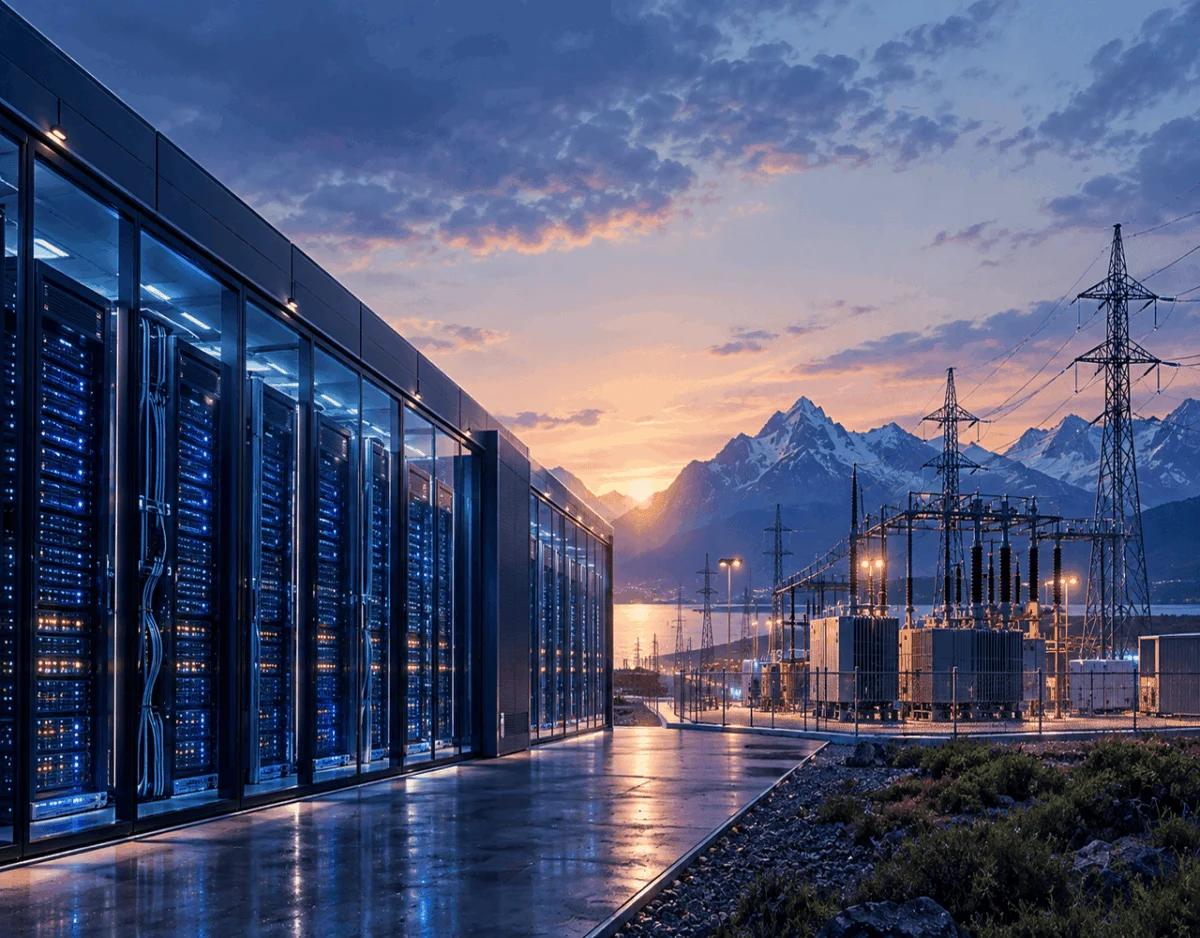
Crucially, this investment does not represent a direct allocation to spot Bitcoin or digital asset treasuries. Rather, it is a calculated equity play on industrial physical assets. Core Scientific—a prominent company that built its core identity and balance sheet around the energy-intensive mechanics of Bitcoin mining—has increasingly positioned itself at the nexus of the artificial intelligence boom, offering up its secure land leases, high-voltage power sub-stations, liquid-cooling capabilities, and sprawling data-center footprints to high-density compute clients.
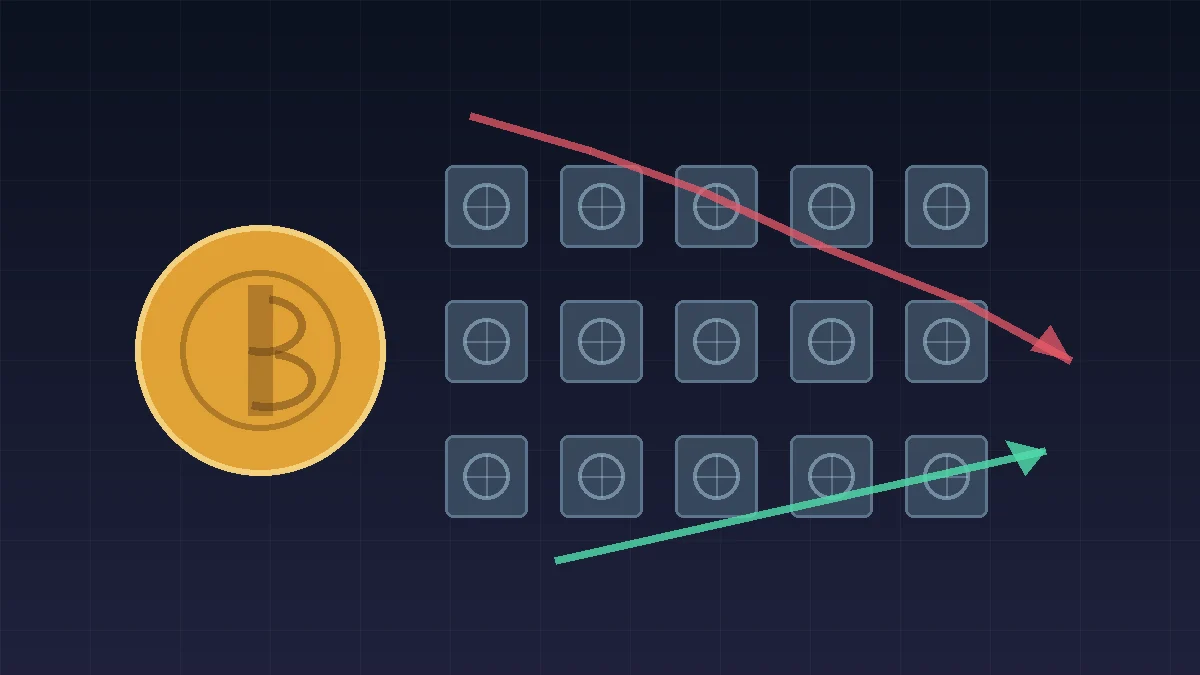
This development highlights an evolving narrative within institutional finance: Wall Street is no longer viewing legacy crypto-mining operations strictly as leveraged, high-beta proxies for the price of Bitcoin. Instead, institutional capital is looking deep inside the "old mining stack" to determine whether these multi-megawatt energy assets can be successfully pivoted to serve the unprecedented computational demands of the next technological cycle.
Chronology of the Trend: From Crypto Winter to AI Gold Rush
To understand the weight of Third Point’s recent disclosure, it is necessary to trace the operational evolution of the Bitcoin mining sector over the past half-decade.
- 2020–2021 (The Bull Market Era): During the pandemic-era liquidity boom, Bitcoin miners expanded rapidly. Companies like Core Scientific, Riot Platforms, MARA Holdings (formerly Marathon Digital), and CleanSpark went on aggressive capital expenditure sprees, raising debt and equity to buy hundreds of thousands of specialized Application-Specific Integrated Circuit (ASIC) rigs. They locked in power purchase agreements (PPAs) across rural North America, seeking out cheap, stranded, or surplus energy sources.
- 2022 (The Crypto Winter and Balance Sheet Stress): The collapse of major crypto lenders, the dramatic plunge in Bitcoin’s fiat value, and rising global energy costs triggered a severe crisis across the mining industry. Several major players, including Core Scientific itself, were forced to file for Chapter 11 bankruptcy protection as debt service obligations outstripped declining revenues.
- 2023 (The Search for Optionality and Restructuring): Emerging from bankruptcy restructurings, industry leaders realized that relying solely on block rewards and transaction fees was dangerously cyclical. The April 2024 Bitcoin halving event loomed large, threatening to slash daily production revenues by 50%. Management teams began exploring alternative revenue streams to monetize their most valuable, non-crypto-specific asset: massive, grid-connected power capacity.
- Late 2023–2024 (The Generative AI Explosion): The commercial rollout of generative AI models ignited an unprecedented global supply crunch for data-center space, electrical power, and advanced server hosting. Hyperscalers (such as Microsoft, Google, Amazon, and Meta) found themselves starved for electrical capacity, with traditional data-center hubs in markets like Northern Virginia facing multi-year wait times to connect to power grids. Bitcoin miners, conversely, already possessed gigawatts of energized land. Deals began to materialize, most notably Core Scientific’s multi-billion-dollar hosting agreement with AI cloud provider CoreWeave.
- Q2 2024 (Institutional Validation): Landmark institutional filings—culminating in disclosures like Third Point’s Q2 13F filing—demonstrated that sophisticated public-equity managers were beginning to underwrite miners not as speculative crypto tokens, but as industrial infrastructure plays.
Supporting Data and Market Dynamics
The macroeconomic fundamentals driving the convergence of Bitcoin mining and AI infrastructure are rooted in structural power constraints and shifting capital allocations.
1. The Power Bottleneck
Modern AI training and inference workloads require immense cluster densities. While a standard enterprise data center typically draws between 5 to 10 kilowatts (kW) per rack, AI-focused data centers utilizing advanced graphical processing units (GPUs) like Nvidia’s H100 or Blackwell chips demand anywhere from 40 to over 100 kW per rack.
Finding shovel-ready land with immediate access to tens or hundreds of megawatts of electrical power is the single largest bottleneck facing the tech industry today. Bitcoin miners spent years securing these exact locations, often situated near hydroelectric dams, nuclear plants, or natural gas fields where electrical interconnections were already established.
2. Core Scientific’s Financial and Operational Transformation
Core Scientific’s pivot exemplifies the potential scale of this transformation. Prior to its financial restructuring, the company was valued almost exclusively on its hash rate (its share of the total computing power on the Bitcoin network) and its daily coin production.
Following its successful emergence from bankruptcy, Core Scientific recalibrated its business model. The company announced long-term contracts expected to provide over $3.5 billion in cumulative revenue by hosting infrastructure for high-performance computing clients. This operational diversification fundamentally alters the company’s risk profile:
- Revenue Stability: Traditional hosting contracts offer fixed, predictable fiat-denominated cash flows, insulating the company from the volatile fluctuations of Bitcoin spot prices and mining difficulty adjustments.
- Valuation Multiples: Infrastructure and data-center companies traditionally command significantly higher valuation multiples (measured in Enterprise Value to EBITDA) than cyclical commodity producers like crypto miners.
3. The 13F Disclosure Landscape
Third Point’s reporting of 54,000 shares in Core Scientific via its Q2 13F filing represents a toe-hold or introductory position. In the context of Third Point’s multi-billion-dollar equity portfolio, the position is small; however, seasoned market observers monitor Dan Loeb’s filings closely because Third Point frequently establishes early positions in structural turnaround stories before scaling up or advocating for strategic operational shifts.
Official Perspectives and Regulatory Framework
The intersection of digital asset infrastructure and traditional equity markets operates under distinct regulatory frameworks. Because Third Point’s position is executed via traditional public equities rather than direct crypto asset accumulation, the transaction is governed by SEC reporting guidelines rather than the evolving rules surrounding spot crypto ETFs or direct digital asset custody.
According to filings available via the SEC’s EDGAR platform, institutional asset managers are increasingly utilizing public equities of crypto-adjacent corporations to capture thematic macro trends without navigating the complex compliance, tax, and institutional custody hurdles associated with holding native digital assets on balance sheets.
Market analysts note that traditional institutional investors—such as pension funds, endowments, and multi-strategy hedge funds—often face strict charter limitations that prohibit them from directly purchasing or holding cryptocurrencies like Bitcoin. However, these same charters routinely permit investments in publicly traded common stock listed on major exchanges like the Nasdaq or NYSE. By investing in companies like Core Scientific, institutional capital gains indirect exposure to the digital asset ecosystem while remaining entirely within conventional equity and regulatory parameters.
Implications for Crypto Markets and Traditional Finance
The growing institutional embrace of Bitcoin miners as AI infrastructure providers carries profound implications for multiple asset classes:
1. Decoupling of Mining Equities from Bitcoin Spot Prices
Historically, mining stocks traded as high-beta derivatives of Bitcoin—rising faster than BTC during bull markets and falling harder during corrections. If miners successfully transition a substantial percentage of their revenue streams to long-term, fixed-fee AI hosting contracts, their equity valuations may begin to decouple from the spot price of Bitcoin. They may instead trade in tandem with power utilities, independent power producers (IPPs), and real estate investment trusts (REITs) specializing in data centers.
2. Execution and Operational Risks
Despite the optimistic narrative, analysts caution that transitioning from a Bitcoin mine to an AI data center is neither simple nor guaranteed.
- Technical Specifications: AI workloads require ultra-low latency, extreme reliability (often Tier III or Tier IV standards), and sophisticated liquid-cooling infrastructure. Many existing mining sheds are essentially bare-bones industrial warehouses optimized for cooling ASIC rigs with ambient air rather than housing billion-dollar clusters of liquid-cooled enterprise GPUs.
- Capital Expenditure Demands: Retrofitting a facility for AI compute requires massive upfront capital investments in transformers, distribution units, and specialized cooling loops. Not all miners possess the balance-sheet strength or credit ratings required to fund these upgrades independently.
3. A New Paradigm for Energy Markets
The convergence of crypto mining and AI is fundamentally reshaping how Wall Street views energy infrastructure. Power generation is no longer viewed merely as a utility service, but as the foundational bottleneck and currency of the modern technological economy. Energy assets that were once considered stranded or underutilized—such as flared natural gas or remote renewable generation sites—are now prized commodities sought after by both Bitcoin miners and artificial intelligence giants alike.
Conclusion
Dan Loeb’s Third Point taking a stake in Core Scientific is more than just a routine line item in a quarterly 13F filing. It is a symptom of a broader industrial realignment. As traditional finance seeks pathways to profit from the artificial intelligence revolution, and as Bitcoin miners look for ways to weather the structural pressures of halving cycles and network difficulty spikes, the physical assets bridging these two worlds have become prime institutional real estate.
Whether this trend matures into a permanent structural shift or remains a speculative cross-sector experiment will depend on execution. For now, however, the message from Wall Street is clear: the infrastructure built to mine digital gold is finding new value in fueling the artificial intelligence era.