Bitcoin Mining Resurgence: Riot Platforms Reports Record-Breaking Q2 2023 Performance
The landscape of the Bitcoin mining industry has undergone a seismic shift throughout 2023. Following a tumultuous period characterized by market volatility and regulatory uncertainty, the broader blockchain network has exhibited remarkable resilience, culminating in an all-time high (ATH) hash rate during the second quarter. This surge in network security and computational power has been met with a corresponding uptick in mining revenue, fueled by a renewed spike in transaction volume across the Bitcoin ledger.
Among the entities capitalizing on this industry-wide momentum is Riot Platforms (formerly Riot Blockchain), one of the most prominent publicly traded Bitcoin mining enterprises in the United States. According to its recently published 2023 second-quarter financial results, the company has not only weathered the broader market headwinds but has significantly ramped up its operational capacity, setting new internal records for hash rate and production efficiency.
Main Facts: A Quarter of Strategic Expansion
The financial disclosures from Riot Platforms paint a picture of a company transitioning from a defensive posture to one of aggressive expansion. The core headline from the Q2 report is the production of 1,775 BTC, marking a substantial 27% increase compared to the 1,395 BTC produced during the same period in 2022.
This growth was achieved despite a challenging macroeconomic environment. A critical factor in this success was the operational optimization of the company’s mining fleet. In May 2023 alone, the company achieved a daily production average of 21.8 BTC. Perhaps most impressively, the company managed to significantly lower its overhead. The average cost to mine a single Bitcoin was reduced to $8,389, a sharp improvement from the $11,316 average recorded in the second quarter of 2022.
Financially, the company reported a total revenue of $76.7 million, exceeding the $72.9 million generated in Q2 2022, despite the market price of Bitcoin being approximately 15% lower year-over-year. This revenue stream was diversified across several verticals:
- Bitcoin Mining Revenue: $49.7 million
- Engineering Revenue: $19.3 million
- Data Center Hosting Revenue: $7.7 million
- Power Curtailment Credits: $13.5 million
By the close of the quarter on June 30, Riot held 7,264 BTC on its balance sheet. With a robust treasury, the company finished the period with $408.4 million in total working capital, including $289.2 million in cash on hand, effectively narrowing its net loss to $27.7 million—a massive improvement from the $353.6 million net loss reported in the corresponding quarter of 2022.
Chronology: The Path to Q2 Dominance
To understand how Riot reached these figures, one must look at the progression of the year. The first quarter of 2023 served as a consolidation phase for the industry, as miners moved to shed debt accumulated during the "crypto winter" of 2022.
By the start of April, Riot began aggressive maintenance cycles to prepare for the summer months, which are historically volatile for energy markets in Texas—the home of Riot’s primary mining infrastructure. As hash rates across the global Bitcoin network began to climb, Riot synchronized its fleet expansion with the rollout of new, more efficient hardware.
Throughout May, the company reached its stride, maintaining a consistent output of over 20 BTC per day. This performance consistency allowed the company to enter June with significant liquidity, enabling it to finalize long-term equipment procurement deals. The quarter concluded with the announcement of a massive acquisition of next-generation hardware from MicroBT, signaling a clear roadmap for the remainder of 2023 and into 2024.
Supporting Data: Operational Efficiency and Hash Rate Metrics
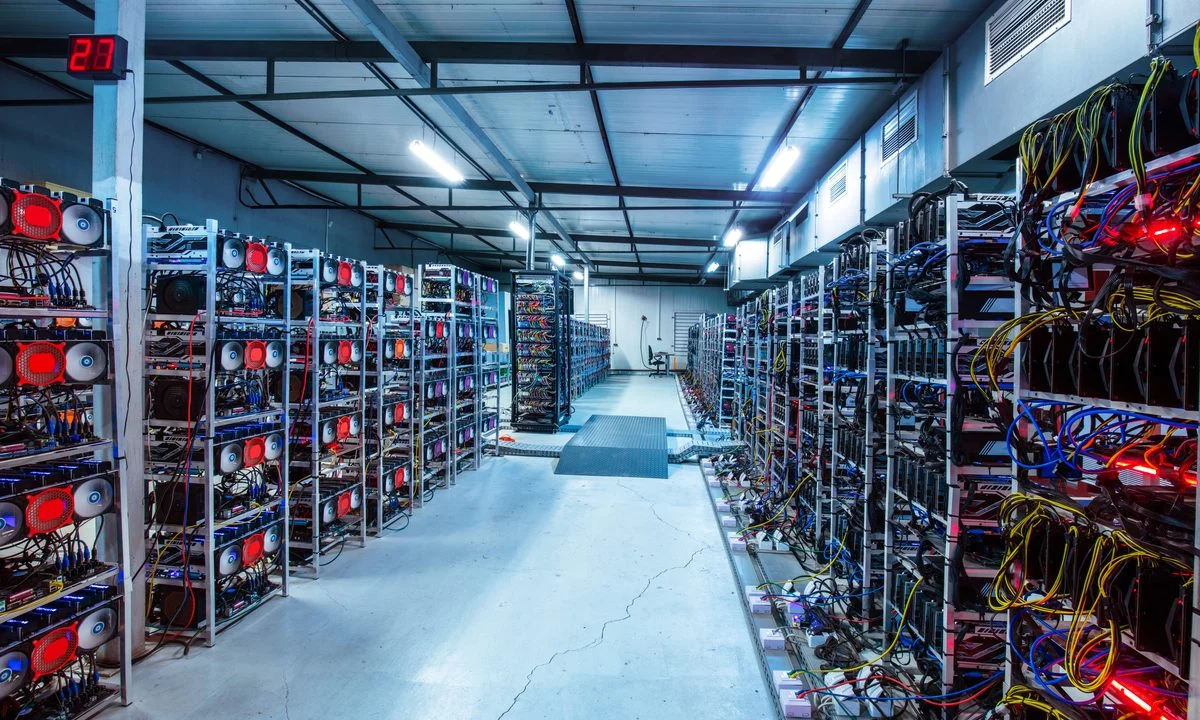
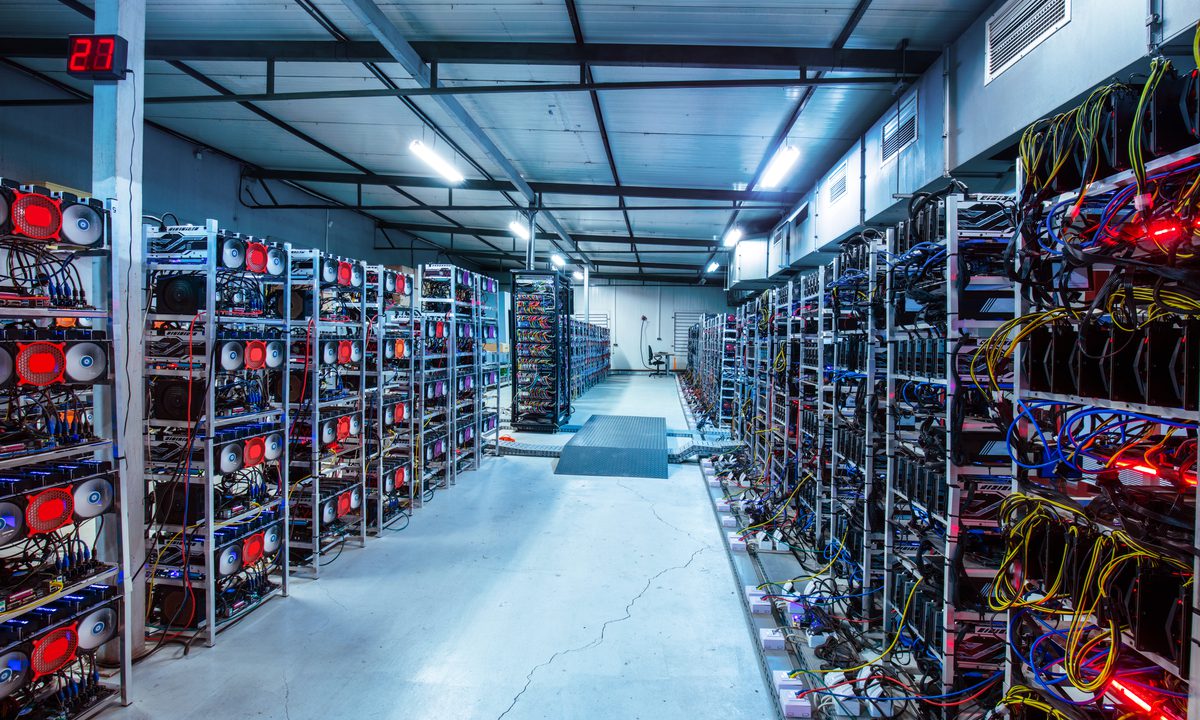
The "hash rate" is the heartbeat of the Bitcoin network, representing the total computational power being utilized to mine and process transactions. During Q2, Riot reached an all-time record hash rate capacity of 10.7 EH/s (Exahashes per second).
Scaling for the Future
The most significant data point regarding future growth is the company’s recent purchase agreement with MicroBT. The deal encompasses the acquisition of 33,280 next-generation miners. This isn’t merely a replacement of old hardware; it is a fundamental upgrade to the company’s energy-to-hash efficiency ratio. Riot’s internal projections suggest that with the integration of this new fleet, the company is on track to achieve a total hash rate capacity of 20.1 EH/s by the second quarter of 2024.
The Power Strategy
Bitcoin mining is inherently energy-intensive, a fact that often draws scrutiny from environmental and regulatory bodies. However, Riot has successfully integrated itself into the Texas energy grid’s demand-response programs. By utilizing power curtailment—a process where the company voluntarily reduces its energy consumption during times of peak grid stress—Riot earns "power curtailment credits." In Q2, these credits amounted to $13.5 million, proving that the company’s energy strategy is not just a regulatory necessity but a core pillar of its revenue model.
Official Responses and Strategic Implications
The implications of Riot’s Q2 report extend far beyond the company’s balance sheet. They serve as a bellwether for the institutionalization of Bitcoin mining.
"We are incredibly proud of our team’s performance this quarter," noted an executive spokesperson in the wake of the report. "By focusing on energy efficiency and maintaining a strong liquidity position, we have positioned Riot to not only withstand market volatility but to capitalize on the expansion of the Bitcoin network."
The "Texas Model"
Riot’s strategic presence in Texas has become a case study for the industry. By acting as a flexible load resource for the Electric Reliability Council of Texas (ERCOT), the company has demonstrated how Bitcoin mining can theoretically stabilize rather than strain energy infrastructure. The $13.5 million in revenue from power curtailment is a testament to the symbiotic relationship between industrial-scale miners and grid operators.
Market Outlook
The reduction of the net loss from $353.6 million to $27.7 million is perhaps the most significant indicator of the company’s maturation. It reflects a pivot away from the high-leverage growth strategies that characterized the industry in 2021, favoring instead a focus on operational expenditure (OpEx) control and asset quality.
Conclusion: The Road Ahead
As the industry looks toward the next Bitcoin halving—a programmed event that will reduce the block reward for miners—the emphasis on "efficiency per hash" will become the primary competitive advantage. Riot Platforms has demonstrated that it is moving in lockstep with this necessity.
With a clear path to doubling its hash rate to 20.1 EH/s by next year and a treasury that remains well-capitalized, Riot is well-prepared to navigate the potential fluctuations of the crypto market. The company’s stock performance, which has seen a 158.14% increase over the past six months, reflects growing investor confidence in this "operational first" strategy.
While the volatility of Bitcoin prices remains an external factor beyond the control of any mining company, the fundamentals established by Riot in Q2 2023 suggest that the company is building a foundation designed to survive, compete, and eventually lead in the next bull cycle of the digital asset economy. The integration of cutting-edge hardware, strategic energy grid participation, and disciplined financial management marks a turning point, not just for Riot, but for the industrialization of Bitcoin mining as a whole.