The Great Pivot: How Bitcoin Miners are Reimagining the Future Through AI Integration
The landscape of the cryptocurrency mining industry is undergoing its most profound transformation since the inception of the Bitcoin network. Following the highly anticipated—and arguably disruptive—Bitcoin halving event in April 2024, the mining sector has found itself at a critical juncture. With block rewards effectively slashed in half, the economic reality for miners has shifted overnight, forcing a industry-wide reckoning. As daily revenues plummet by over 70% in some operational models, the world’s leading mining firms are no longer relying solely on the volatile promise of digital gold. Instead, they are aggressively pivoting toward the high-growth sector of artificial intelligence (AI) computing.
The Catalyst: The Post-Halving Economic Crunch
To understand the current metamorphosis of the mining industry, one must first analyze the structural changes triggered by the April 2024 halving. Bitcoin’s protocol is hard-coded to reduce the issuance of new coins every four years, a mechanism designed to ensure scarcity. While this is a foundational pillar of Bitcoin’s long-term value proposition, the immediate impact on miners is a severe contraction in top-line revenue.
For years, mining companies operated on a model where high-performance computing power (hashrate) was exclusively dedicated to securing the Bitcoin blockchain in exchange for block rewards and transaction fees. However, the halving has compressed margins to such an extent that legacy mining rigs—particularly those with lower energy efficiency—are becoming economically unviable. This "profitability squeeze" has forced firms to look beyond the blockchain to maintain their bottom lines.

AI: The New Frontier for Hashrate Titans
As the demand for high-performance computing power skyrockets, driven by the explosive growth of generative AI and Large Language Models (LLMs) like OpenAI’s ChatGPT, mining companies have identified a lucrative opportunity. These firms possess unique infrastructure advantages: vast access to low-cost electricity, massive data center footprints, and specialized cooling technologies.
For a company that has spent years optimizing data centers for Bitcoin mining, repurposing that facility for AI cloud computing is a natural, albeit complex, progression. The computational needs of AI—specifically high-performance GPU clusters—are becoming the new "gold rush" for infrastructure providers.
Prominent players in the space are already leading this charge. Firms such as Bit Digital have reported that over 30% of their revenue is now derived from AI-related initiatives. Similarly, industry heavyweights like Hut 8 and Hive Digital Technologies are aggressively reallocating resources to build out AI-ready data centers. This transition represents more than just a business pivot; it is a fundamental shift in how these companies classify their assets.

Official Perspectives: Building a Diversified Future
The industry’s leadership is vocal about the necessity of this pivot. Adam Sullivan, CEO of Core Scientific, recently encapsulated the rationale behind this strategic shift, noting, "The shift to AI allows us to create a diversified business model with more predictable cash flows."
This emphasis on "predictable cash flows" is telling. While Bitcoin price action is notorious for its boom-and-bust cycles, the demand for AI compute capacity is currently characterized by massive, long-term contracts with enterprise clients. By balancing the speculative nature of Bitcoin mining with the steady, contract-based revenue of AI hosting, miners are effectively hedging their business models against the inherent volatility of the crypto market.
Chronology of the Miner Exodus
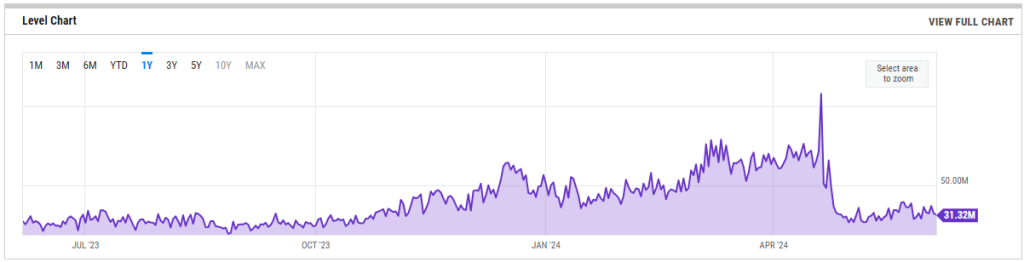
The transformation is not happening without casualties. Data from across the network indicates a noticeable decline in the aggregate hashrate, suggesting a "miner capitulation" phase. This occurs when older, less efficient operations are forced to unplug their rigs because the cost of electricity exceeds the value of the Bitcoin being mined.
- Pre-Halving (Early 2024): Miners aggressively expanded operations, anticipating the bull run and the impending supply shock.
- The April 2024 Halving: The protocol update occurred, immediately reducing daily revenue per unit of hashrate by 50%.
- The Transition Phase (Q2 2024): Large-cap miners began announcing multi-million dollar investments in GPU clusters and AI data center retrofitting.
- The Capitulation Signal (Current): The "Hash Ribbons" indicator—a tool used to track the health of the mining ecosystem—has shown spikes that historically signal forced selling by miners and the removal of inefficient hardware from the network.
Supporting Data: Understanding the Market Pressure
The "Hash Ribbons" statistic serves as a crucial barometer for the market. When the indicator flashes, it suggests that the short-term moving average of the hashrate is falling below the long-term average. This is a classic indicator of miner distress.
However, many market analysts and institutions, including Capriole Investments, view this not as a death knell for the industry, but as a "tempting Bitcoin buy signal." The logic is sound: when miners are under pressure, they are forced to sell their holdings to cover operating expenses. When this selling pressure subsides—either because inefficient miners have exited the market or because the survivors have successfully diversified into AI revenue—the overall "sell pressure" on Bitcoin eases. This reduction in overhead-driven selling often creates a healthier, more sustainable environment for price appreciation.
Implications for the Future of Decentralization
The transition of Bitcoin miners into AI infrastructure providers has significant implications for the broader tech sector:
- Infrastructure Synergy: Mining companies are uniquely positioned to solve the "energy bottleneck" that currently plagues the AI industry. Their ability to secure large-scale power purchase agreements (PPAs) makes them attractive partners for big tech companies looking to build massive server farms.
- The Survival of the Fittest: The market is undergoing a rapid consolidation. Smaller, undercapitalized firms will likely be acquired by larger entities that have the capital to invest in the costly transition to AI.
- Market Maturity: The move toward diversification signals that the mining industry is maturing. It is moving away from a single-asset dependency and toward becoming a pillar of the global digital infrastructure market.
A Silver Lining for Long-Term Bulls
Despite the immediate chaos, the long-term outlook for the sector remains robust. The infusion of institutional interest and the "risk-on" sentiment returning to the broader markets suggest that capital is flowing back into the digital asset space.
As miners continue to integrate AI, the relationship between Bitcoin and high-performance computing will become inextricably linked. Investors are beginning to look at these mining firms not just as proxy bets on the price of Bitcoin, but as diversified technology infrastructure companies. This re-rating of the industry could lead to greater stability in the long run, even if the short-term transition is marked by volatility and the churn of inefficient operators.
Conclusion: A New Era of Computing
The narrative of the Bitcoin miner has changed. No longer are they just the custodians of the blockchain, fueled by the hope of rising coin prices. They are evolving into the backbone of the next generation of computing. By embracing the AI revolution, miners are securing their financial future, providing much-needed infrastructure for the most transformative technology of our time, and ensuring that the Bitcoin network remains secure—even if the path to profitability requires a few new tricks.
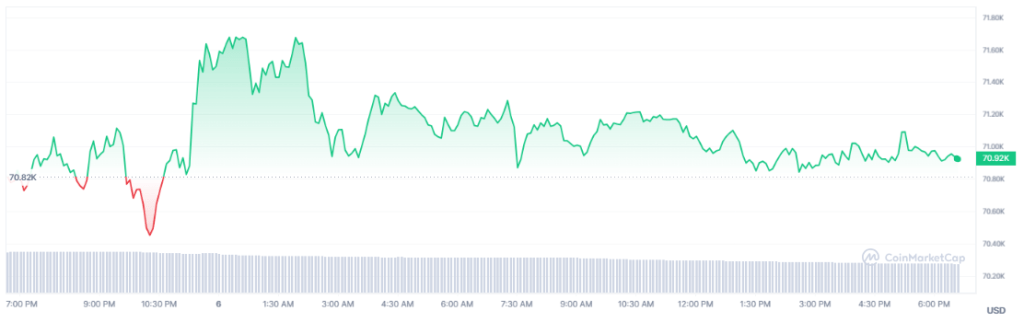
As the industry stabilizes, the "miner capitulation" of 2024 may eventually be viewed as the moment the sector grew up. Through diversification, efficiency, and a strategic pivot to AI, these firms are proving that they have the agility to thrive, regardless of what the charts say. The era of the pure-play miner is ending; the era of the high-performance digital infrastructure titan has just begun.
Disclaimer: The information provided in this article is for educational purposes only and does not constitute financial, investment, or legal advice. Investing in cryptocurrency and related infrastructure involves significant risks, including the potential loss of principal. Always conduct your own thorough research and consult with a qualified financial advisor before making any investment decisions.