Institutional Exodus: $414 Million Exits Crypto Market Amid Geopolitical Uncertainty
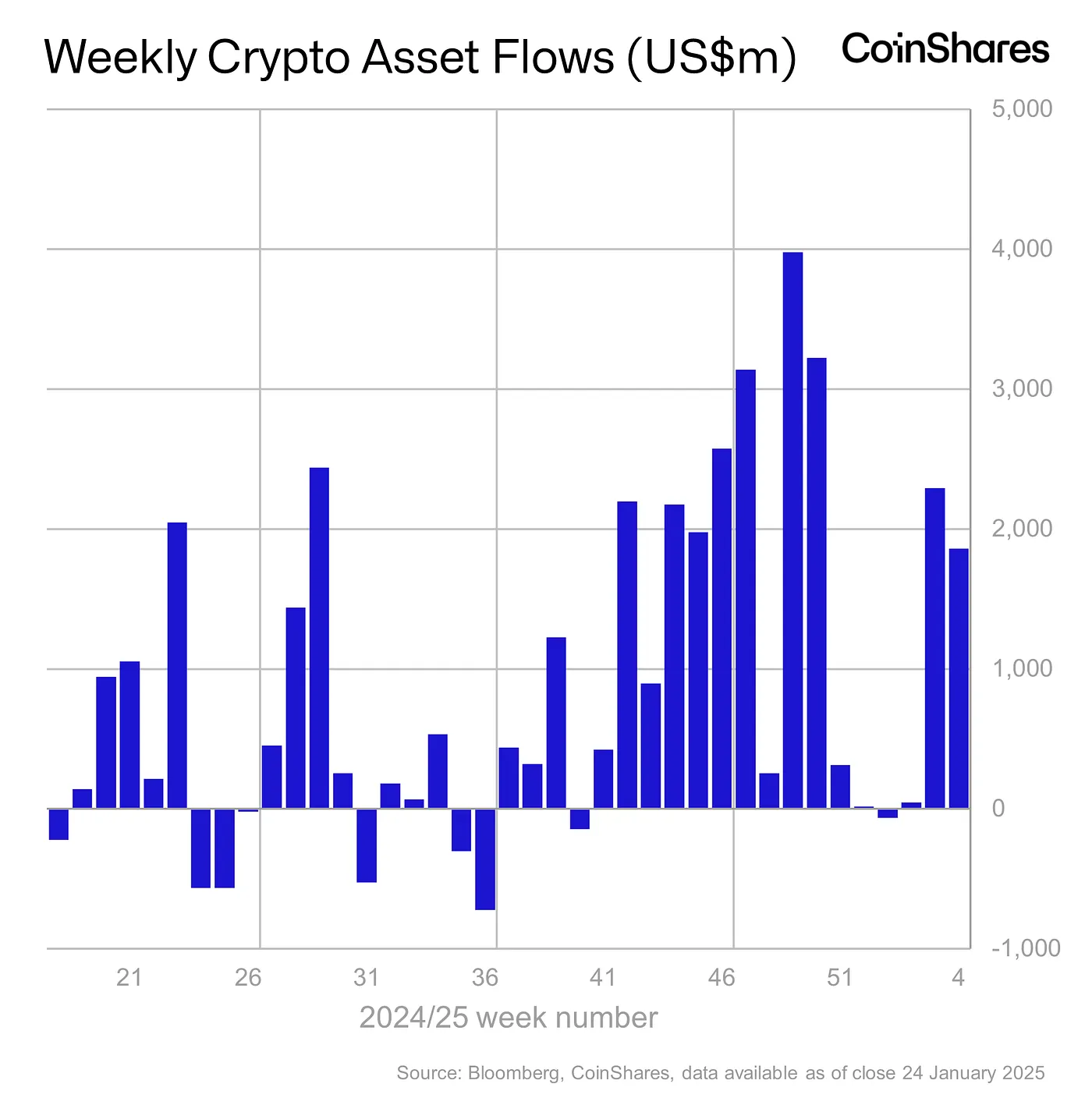
The cryptocurrency landscape witnessed a significant shift in institutional sentiment this week as capital flows reversed course, ending a five-week streak of positive momentum. According to the latest data from digital asset management firm CoinShares, institutional investors have offloaded a total of $414 million in Bitcoin and broader crypto-assets, signaling a pivot toward risk-off strategies in response to a volatile global climate.
The Main Facts: A Shift in Market Sentiment
For five consecutive weeks, the crypto market enjoyed a period of sustained institutional accumulation. However, that streak came to a definitive end as macroeconomic pressures and geopolitical instability prompted a massive liquidation event. The $414 million in outflows represents one of the most substantial weekly withdrawals this year, effectively cooling the bullish sentiment that had characterized the early spring.
The exodus was not uniform across all digital assets, nor was it consistent across all geographic regions. While the United States bore the brunt of the selling pressure, some markets demonstrated resilience, with investors in Europe and North America taking advantage of the lower entry points to "buy the dip."
Chronology of the Selloff
The market environment began to sour late last week as tensions in the Middle East intensified, specifically regarding the ongoing Iran conflict. Financial markets globally reacted with trepidation, and crypto assets—often viewed as "high-beta" risk assets—were among the first to see liquidity pulled from institutional portfolios.
The Timeline of the Correction:
- Early Week: Signs of fatigue began to appear in institutional ETFs as inflows slowed to a crawl.
- Mid-Week: The escalation of geopolitical concerns, coupled with persistent inflation data from the U.S. Bureau of Labor Statistics, acted as a catalyst for capital flight.
- End of Week: By Friday’s market close, CoinShares’ data confirmed the $414 million outflow, marking the largest weekly exit in over a month.
Supporting Data: Regional and Asset-Specific Breakdown
The data provided by CoinShares reveals a complex picture of where the money went and which assets bore the heaviest burden of the selloff.
Geographic Divergence
The United States was the epicenter of the withdrawal, recording a staggering $445 million in outflows. This massive shift in the U.S. is likely tied to the interplay between the Federal Reserve’s "higher-for-longer" interest rate rhetoric and the market’s desire to hedge against potential regional conflict. Switzerland, traditionally a hub for institutional crypto activity, also saw minor outflows totaling $4 million.
Conversely, some nations bucked the trend. Germany and Canada demonstrated a contrarian approach to the market volatility. Investors in Germany injected $21.2 million into the ecosystem, while Canadian funds saw an inflow of $15.9 million. These figures suggest that while the U.S. institutional sector opted for liquidity, European and Canadian counterparts viewed the price drop as a tactical buying opportunity.
The Asset Breakdown
- Ethereum (ETH): The second-largest cryptocurrency by market cap suffered the most significant damage, recording $222 million in outflows. This brings Ethereum’s net year-to-date flows to a deficit of $273 million, highlighting a persistent struggle for institutional interest in the platform.
- Bitcoin (BTC): Despite the $194 million in outflows, Bitcoin remains the strongest performer on a year-to-date basis, holding onto $964 million in total inflows. Interestingly, while "long" Bitcoin products saw red, Short-Bitcoin products gained $4 million, indicating that some institutional players are hedging against further downside risk.
- Altcoins: Solana (SOL) saw $12.3 million leave its ecosystem. However, Ripple (XRP) stood out as an outlier, recording a robust $15.8 million in inflows, suggesting that specific project-related sentiment—perhaps surrounding regulatory developments—is currently outweighing broader market trends.
Following these adjustments, the total assets under management (AuM) across tracked crypto investment products currently sit at approximately $129 billion.
Official Responses and Market Context
While individual institutional fund managers have remained relatively quiet regarding this specific selloff, the broader market consensus points to a "Flight to Quality" or a "Flight to Cash" narrative.
Analysts suggest that when geopolitical instability strikes, institutional allocators—who are bound by strict risk-management mandates—often automatically deleverage positions in high-volatility assets to preserve capital. The CoinShares report emphasizes that the primary drivers are "concerns over the prolonged Iran conflict and higher inflation."
Higher inflation rates generally force central banks to maintain restrictive monetary policies. When the cost of borrowing remains high, the "opportunity cost" of holding non-yielding assets like Bitcoin increases, leading institutional investors to rotate their capital into traditional fixed-income instruments or cash equivalents until the macroeconomic picture stabilizes.
Implications for the Future
The current market environment presents several critical questions for investors and market participants regarding the next quarter.
1. The Resilience of Bitcoin
Despite this week’s $194 million outflow, the fact that Bitcoin still retains nearly $1 billion in year-to-date inflows is a testament to the maturation of the asset class. Institutional "HODLing" appears to be a real phenomenon, with the recent dip being characterized as a temporary correction rather than a fundamental shift in the long-term investment thesis for digital assets.
2. The Ethereum Struggle
The divergence between Bitcoin and Ethereum is perhaps the most concerning data point for developers and investors. Ethereum’s persistent outflows suggest a lack of conviction regarding its immediate price action. Whether this is due to high network fees, the shift toward Layer-2 scaling solutions, or broader uncertainty regarding its regulatory status, Ethereum is currently failing to capture the institutional narrative in the same way Bitcoin has.
3. Geopolitical Risk as a Permanent Variable
Historically, crypto markets were treated as relatively insulated from traditional geopolitical shocks. However, the events of this week demonstrate that crypto is now firmly integrated into the global financial architecture. Institutional investors now treat Bitcoin as a correlated asset, meaning that headlines from the Middle East or Washington D.C. will likely continue to cause volatility in the crypto-asset space for the foreseeable future.
4. Regulatory and Macro Outlook
Investors should keep a close watch on the next Consumer Price Index (CPI) release and any further statements from the Federal Reserve. If inflation remains sticky, the pressure on institutional crypto funds may persist. Conversely, should the geopolitical situation de-escalate, the "dip" buyers in Canada and Germany may be vindicated, and we could see a rapid return of capital to the sector.
Conclusion
The $414 million outflow is a stark reminder that institutional participation is a double-edged sword. While it provides the deep liquidity and market legitimacy that the industry has craved for a decade, it also brings with it the cold, calculated risk-management strategies of Wall Street.
As the market absorbs these outflows, the focus will shift to whether the $129 billion in remaining assets under management can hold the line. For the retail investor, the message from CoinShares is clear: institutional sentiment is currently cautious, and the market is prioritizing capital preservation over aggressive growth. Moving forward, the interaction between macroeconomic data, geopolitical stability, and crypto-asset performance will define the next chapter of the digital asset cycle.
Investors are advised to exercise extreme caution and perform rigorous due diligence, recognizing that in a landscape this volatile, past performance—even year-to-date inflows—is never a guarantee of future stability.
Disclaimer: The information provided in this article is for educational and informational purposes only and does not constitute financial, investment, or legal advice. The Daily Hodl is not an investment advisor, and the opinions expressed here are not recommendations to buy or sell any assets. Investing in cryptocurrencies involves significant risk, including the loss of principal. Always conduct your own research before making high-risk financial decisions.