Kraken Expands US Offerings with New Crypto-Backed Borrowing Feature Amid Evolving Regulatory Landscape
By: Bitcoinist Editorial Team
Edited by: Samuel Rae
Category: Technology / Cryptocurrency
Focus Keyword: Kraken
Introduction: Bridging the Gap for US Crypto Traders
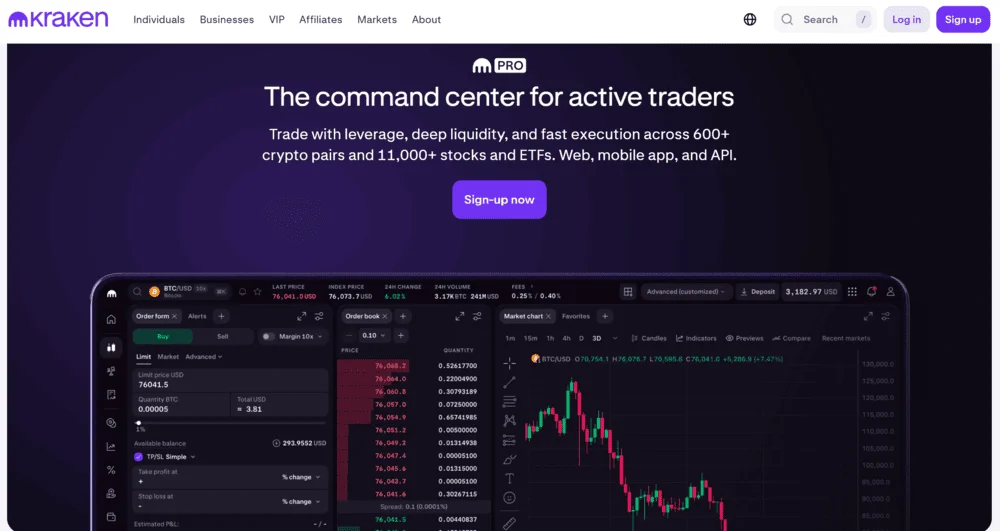
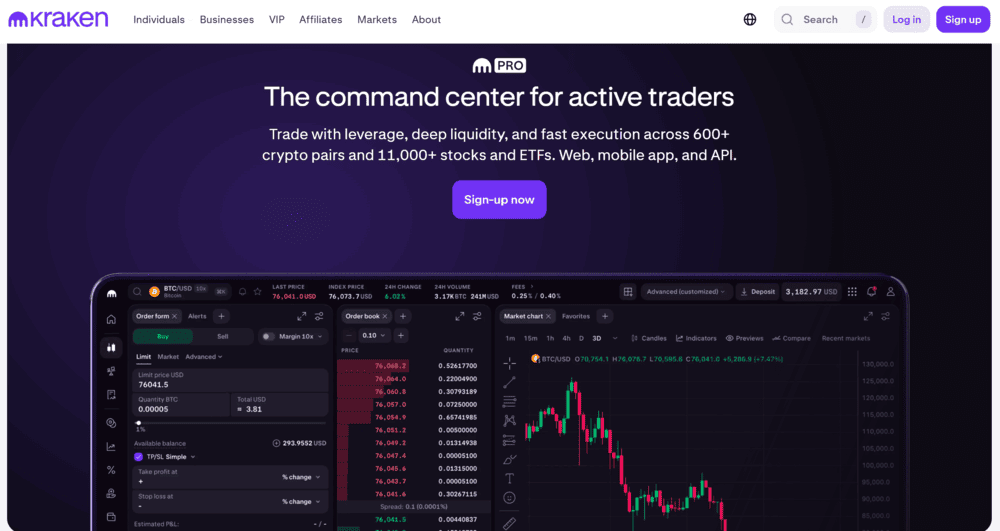
Cryptocurrency exchange Kraken has officially announced the rollout of a novel borrowing product tailored for its eligible United States clientele. Titled Kraken Borrow, the new feature is engineered to blend seamlessly with everyday trading activities, allowing users to leverage their existing digital asset portfolios to increase their purchasing power.
For years, the United States digital asset market has operated under a cloud of regulatory scrutiny, forcing many exchanges to restrict advanced financial products—such as margin trading, lending, and high-leverage derivatives—to offshore jurisdictions. However, as the regulatory climate undergoes a gradual maturation, top-tier domestic exchanges are beginning to reintroduce regulated leverage mechanisms. Kraken’s latest offering is a prime example of this paradigm shift, aiming to capture trader demand while operating firmly within a compliant U.S. framework.
By integrating collateralized borrowing directly into its established spot-trading infrastructure, Kraken is positioning itself as an all-in-one ecosystem where domestic users can manage spot assets, derivatives, and now, liquidity loans, without ever leaving the platform. Yet, while the convenience is undeniable, the reintroduction of leverage into the mainstream U.S. market brings back old risks that every trader must carefully navigate.
Main Facts: How Kraken Borrow Operates
At its core, Kraken Borrow is designed to function as an automated liquidity bridge during purchasing operations. Rather than requiring users to manually take out a loan, convert funds, and then execute a trade, the system automates the process based on real-time cash and asset balances.
1. Cash-First Execution Model
Kraken’s model operates on a sequential spending hierarchy. When a user initiates a purchase, their available cash balance is always utilized first. Borrowed funds only kick in to cover the specific portion of a transaction that exceeds the user’s available USD balance. This ensures that users do not incur unnecessary debt if they have sufficient cash on hand to complete an order.
2. Collateral and Buying Power
The amount of credit a user can access is strictly tied to the value and eligibility of the digital assets they hold as collateral within their Kraken account. According to the platform’s specifications, total buying power can reach up to three times (3x) the value of a user’s eligible holdings.
3. Transparent Fee Structure
To mitigate user confusion—a common pitfall in decentralized finance (DeFi) and complex margin products—Kraken emphasizes upfront transparency. Users are shown a clear breakdown of the transaction fee, the borrowing fee, and the anticipated daily interest cost prior to confirming any trade that utilizes borrowed funds.
4. Repayment Flexibility
Unlike traditional term loans or rigid margin calls, Kraken Borrow features no fixed repayment deadline and no mandatory minimum monthly payments. Users can clear their outstanding balances at their own convenience. However, the absence of a strict repayment schedule does not mean the debt is cost-free. Interest continuously accrues as long as the borrowed balance remains outstanding, and market volatility can rapidly alter a user’s risk profile.
Chronology: The Evolution of U.S. Crypto Leverage
The journey toward regulated crypto-backed borrowing in the United States has been long and fraught with regulatory hurdles. Understanding the chronology of this shift provides essential context for Kraken’s latest product rollout.
- Pre-2021 (The Wild West): Offshore and domestic platforms alike offered extensive, often unchecked leverage options. High-risk margin trading attracted significant retail capital, but also invited severe regulatory crackdowns due to inadequate consumer protection and unclear legal classifications.
- 2021–2023 (The Regulatory Crackdown): U.S. federal regulators, including the Securities and Exchange Commission (SEC) and the Commodity Futures Trading Commission (CFTC), intensified their scrutiny of yield-generating and lending products. Several high-profile crypto lending firms collapsed, creating an industry-wide liquidity crisis and forcing exchanges to pull back advanced financial offerings from the U.S. market.
- 2024 (The Compliance Pivot): Major exchanges began rebuilding their product suites from the ground up, anchoring them to robust, fully compliant domestic infrastructures. Competitors like Coinbase began expanding their crypto-backed lending initiatives, catering to institutional and high-net-worth retail traders under strict regulatory guidelines.
- Early 2025 (Kraken’s Integration): Kraken introduces Kraken Borrow, utilizing its regulated U.S. derivatives and spot infrastructure to safely deliver liquidity services to eligible domestic customers, marking a new phase in mainstream crypto financial services.
Supporting Data & Market Context
The launch of Kraken Borrow occurs against a backdrop of shifting consumer preferences and expanding market infrastructure. As institutional and retail adoption deepens, the demand for capital efficiency has never been higher.
The Mechanics of Crypto-Backed Lending vs. Traditional Loans
Unlike traditional personal loans that require credit checks, employment verification, and fiat collateral (such as real estate or automobiles), crypto-backed lending relies entirely on digital asset over-collateralization. Because cryptocurrency markets operate 24/7 and experience extreme volatility, platforms require users to lock up assets whose total value significantly exceeds the loan amount.
- Loan-to-Value (LTV) Ratios: While Kraken allows up to 3x buying power, typical crypto lending protocols operate on dynamic LTV ratios to account for sudden downward market movements.
- Liquidation Risk: If the market value of the collateralized assets drops significantly relative to the borrowed amount, the platform initiates an automated liquidation process. Assets are sold off to cover the outstanding debt, locking in losses for the user and protecting the exchange from default risk.
The Competitive Landscape
Kraken is not alone in its pursuit of compliant domestic lending products. The U.S. exchange landscape has grown increasingly competitive as firms look for ways to boost trading volume and generate non-fee revenue streams.
- Coinbase: Has steadily rolled out crypto-backed borrowing and advanced trading options, targeting both retail users and institutions seeking secure custody-linked liquidity.
- Offshore vs. Onshore Dynamics: While offshore derivatives platforms still offer astronomical leverage (often up to 50x or 100x) with minimal KYC friction, they expose users to severe regulatory and counterparty risks. Kraken’s strategy explicitly rejects this risky path, opting instead for a tightly regulated domestic structure that trades hyper-leverage for safety and legal certainty.
Official Responses and Platform Perspective
In its official product documentation and accompanying commentary, Kraken has underscored its commitment to user education, risk awareness, and regulatory compliance.
"Kraken’s model is designed so a customer’s available cash is spent first, ensuring that borrowing is utilized efficiently and only when necessary to bridge the gap in purchasing power." — Kraken Product Team
Furthermore, company representatives have stressed that the infrastructure powering Kraken Borrow leverages the platform’s robust U.S. derivatives framework. By keeping operations transparent and limiting availability strictly to eligible customers, Kraken aims to preemptively address regulatory concerns while meeting the sophisticated demands of modern traders.
Industry analysts have noted that Kraken’s approach reflects a broader maturation within the crypto industry. Rather than engaging in a race to the bottom with reckless leverage offerings, major exchanges are focusing on sustainable, risk-managed products that can withstand regulatory audits.
Implications: Convenience Meets Inherent Risk
The introduction of Kraken Borrow carries profound implications for individual traders and the broader U.S. cryptocurrency market. While the benefits are clear, the associated risks warrant a sober assessment.
1. Enhanced Capital Efficiency for Traders
For active traders, the ability to amplify purchasing power without having to manually initiate fiat wire transfers or sell existing long-term crypto holdings is a massive convenience. Users can seize fast-moving market opportunities instantly, keeping their core portfolios intact while capitalizing on short-term price movements.
2. The Double-Edged Sword of Leverage
Leverage is a powerful financial tool that magnifies outcomes in both directions.
- Amplified Gains: If a user utilizes borrowed funds to purchase an asset that subsequently appreciates in value, their percentage returns on cash invested are significantly multiplied.
- Amplified Losses: Conversely, if the purchased asset declines in price, the losses apply not only to the cash spent but also to the borrowed amount. Because interest continues to accrue and collateral values can plummet rapidly, traders face the genuine threat of liquidation. A minor market correction can quickly cascade into forced asset sales, wiping out a user’s position entirely.
3. Ecosystem Consolidation
By housing spot trading, derivatives, and collateralized borrowing under a single login, Kraken is successfully building a sticky ecosystem. Traders no longer need to fragment their capital across multiple platforms to access advanced financial tools. This all-in-one approach enhances user retention for Kraken while streamlining the user experience.
4. Regulatory Validation
Successful deployment of Kraken Borrow within the U.S. signals to regulators that crypto platforms can responsibly offer credit and leverage products without compromising consumer protection. If products like Kraken Borrow operate smoothly without triggering systemic defaults or regulatory backlash, it could pave the way for even broader financial product approvals in the American market.
Conclusion
Kraken Borrow represents a significant milestone in the evolution of the U.S. digital asset market. By merging automated cash-first spending with regulated collateralized borrowing, Kraken has successfully bridged the gap between everyday spot trading and advanced capital utilization.
For eligible U.S. customers, the tool offers unprecedented convenience and buying power, backed by transparent fee structures and flexible repayment terms. However, as with any form of leverage, the underlying risks remain potent. Traders must exercise extreme caution, mindful of the fact that borrowed funds can accelerate portfolio growth and devastating losses with equal velocity. As U.S. exchanges continue to rebuild their product suites within compliant frameworks, features like Kraken Borrow are set to define the next chapter of mainstream crypto trading.