Riding the Hash Rate Wave: Riot Platforms’ Strategic Expansion in a Resurgent Bitcoin Market
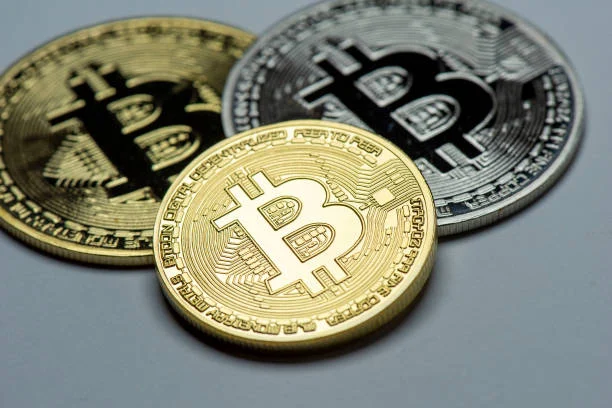
The global Bitcoin mining landscape has undergone a profound transformation throughout 2023. As the blockchain network achieved unprecedented peaks in hash rate—the computational power dedicated to securing and verifying transactions—the industry has moved past the “crypto winter” blues that defined much of the previous year. Central to this resurgence is Riot Platforms (formerly Riot Blockchain), which has emerged as a bellwether for the institutionalization of Bitcoin mining.
According to its second-quarter (Q2) 2023 financial report, Riot has successfully leveraged increased transaction volumes and favorable power-market dynamics to bolster its operations, setting new company-wide records for hash rate and production efficiency.
Main Facts: A Quarter of Records
Riot Platforms’ Q2 2023 performance serves as a stark reminder of how public mining entities are optimizing their operations to survive and thrive in volatile market conditions. The company produced a total of 1,775 BTC during the three-month period, representing a 27% increase over the 1,395 BTC produced in the same quarter of 2022.
The financial health of the firm improved significantly, with total revenue rising to $76.7 million, compared to $72.9 million in the prior-year period. This growth occurred despite a challenging pricing environment, where the average price of Bitcoin was 15% lower than in Q2 2022. By diversifying its income streams—incorporating engineering services, data center hosting, and a sophisticated energy-hedging strategy—Riot has demonstrated that its business model is no longer tethered solely to the spot price of Bitcoin.
Chronology of Q2 2023: Tactical Execution
The progression of the second quarter for Riot was characterized by steady operational scaling and a focus on lowering the "cost of goods sold."
April–May: Efficiency Gains
In May 2023 alone, the company produced 676 BTC, averaging a daily output of 21.8 BTC. Perhaps most importantly, Riot managed to slash the average cost to mine a single Bitcoin to $8,389, a massive improvement from the $11,316 average recorded in Q2 2022. This reduction in production costs is largely attributed to improved hardware efficiency and the optimization of power consumption schedules.
June: Consolidation and Balance Sheet Strength
By the end of the quarter, on June 30, Riot reported that it had accumulated 7,264 BTC in its corporate treasury. With the market valuation of Bitcoin hovering around $30,477 at the time, this holding represents a massive liquid asset base. Furthermore, the company reported $408.4 million in total working capital, comprised of $289.2 million in cash and $221.4 million in Bitcoin. Notably, Riot successfully narrowed its net loss to $27.7 million, a dramatic turnaround from the $353.6 million net loss reported in the corresponding quarter of 2022.
Supporting Data: Infrastructure and Capacity
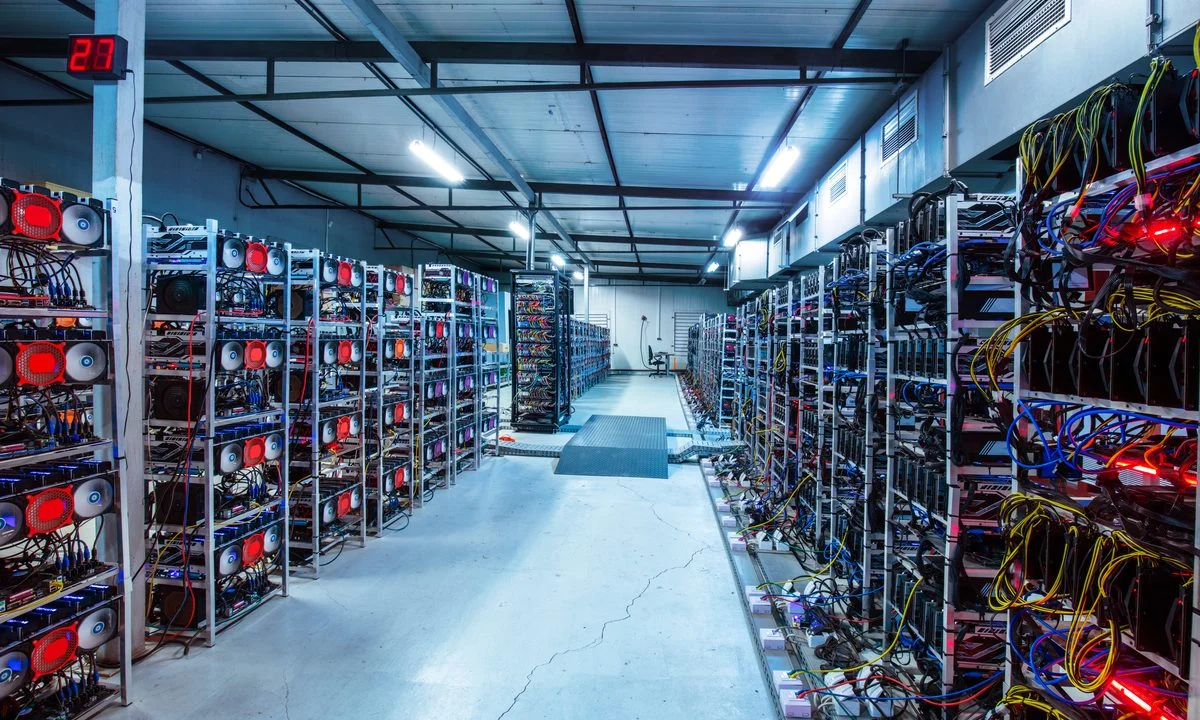
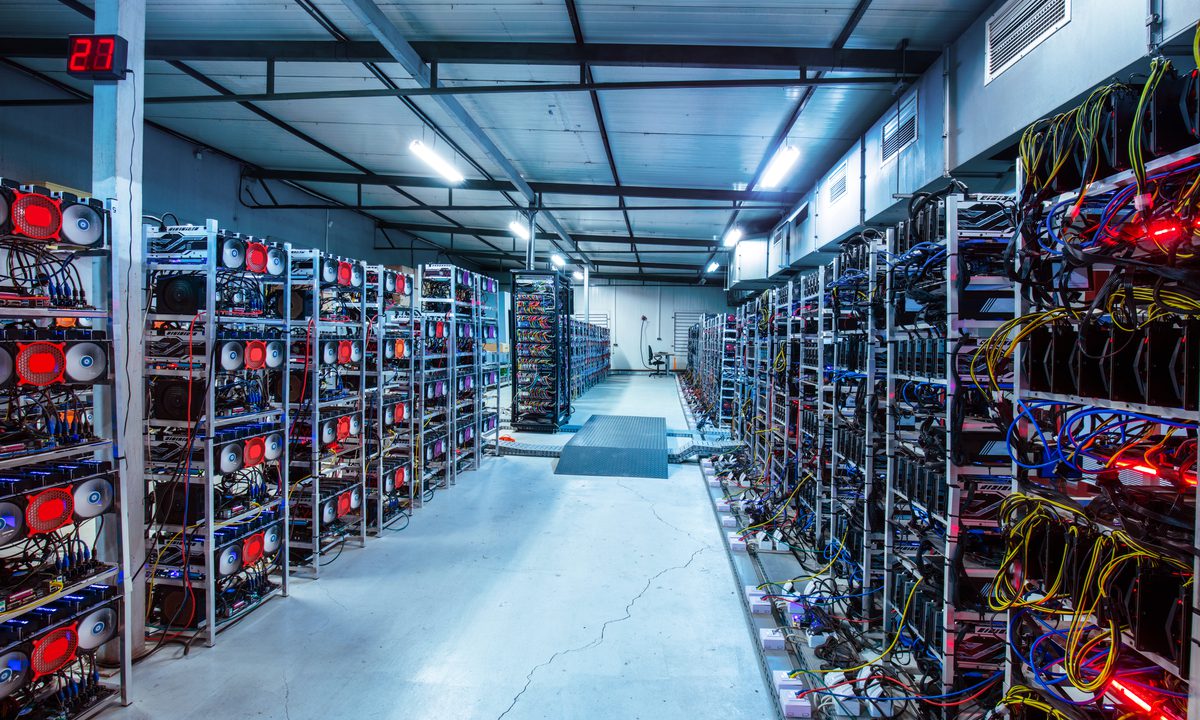
The backbone of Riot’s growth lies in its massive investment in computational infrastructure. Throughout Q2, the firm reached an all-time record hash rate capacity of 10.7 EH/s (exahashes per second).
The MicroBT Agreement
Looking toward the future, Riot signed a long-term purchase agreement with MicroBT, a leader in ASIC mining hardware. The contract involves the procurement of 33,280 next-generation miners. This fleet expansion is not merely for maintenance; it is part of a calculated roadmap to nearly double the company’s capacity. Riot’s internal projections suggest that, with these new machines fully deployed, the company’s hash rate will reach 20.1 EH/s by the second quarter of 2024.
Revenue Breakdown (Q2 2023 vs. Q2 2022)
- Mining Revenue: $49.7 million (up from previous year)
- Engineering Revenue: $19.3 million
- Data Hosting Revenue: $7.7 million
- Power Curtailment Credits: $13.5 million
The presence of "power curtailment credits" is particularly noteworthy. By voluntarily reducing energy consumption during peak demand hours in the Texas power grid, Riot earns credits that offset their operational costs, effectively turning their energy consumption into a revenue-generating utility service.
Official Responses and Strategic Vision
In official statements accompanying the financial release, Riot executives emphasized the company’s focus on long-term sustainability. The shift in name from "Riot Blockchain" to "Riot Platforms" signifies a strategic pivot toward becoming a diversified infrastructure provider rather than just a mining operation.
The company’s management has repeatedly highlighted their "power-first" strategy. By positioning their facilities in Texas, where renewable energy is abundant and grid management is highly incentivized, Riot has mitigated one of the most significant risks to the mining industry: energy price volatility. By selling power back to the grid during times of high demand, the company stabilizes its own costs and acts as a grid balancer for the state.
Implications: The Future of Industrial Mining
Riot’s performance provides several key insights into the future of the crypto-mining sector.
1. Institutional Resilience
The drastic reduction in net losses, combined with a robust balance sheet, suggests that the survivors of the 2022 crypto winter are now more operationally lean. The focus has shifted from rapid, speculative expansion to efficiency, cost-per-coin metrics, and capital preservation.
2. The Power Grid Nexus
Riot’s symbiotic relationship with the Texas energy grid suggests a model for the future of large-scale industrial Bitcoin mining. As regulators globally scrutinize the environmental impact of Proof-of-Work (PoW) consensus mechanisms, miners who act as flexible grid assets will likely be viewed more favorably than those who simply consume electricity without contributing to grid stability.
3. Market Sentiment
The stock market has responded to these developments with significant optimism. Riot’s stock (RIOT) has seen a staggering 158.14% increase over the past six months. This surge reflects investor confidence in the company’s ability to navigate the upcoming Bitcoin "halving" in 2024. During a halving event, the rewards for miners are cut in half; therefore, only companies with the lowest production costs and the most efficient hardware will remain profitable. By securing next-generation hardware from MicroBT, Riot is positioning itself to be one of the few players capable of maintaining high margins even after the block rewards decrease.
Conclusion: A Barometer for the Industry
Riot Platforms is currently serving as a primary indicator of the health of the Bitcoin mining ecosystem. The combination of record-breaking hash rates, strategic hardware procurement, and a sophisticated approach to power management suggests that the industrialization of Bitcoin mining is moving into a new, more mature phase.
As the network hash rate continues to climb toward new highs, the competition will undoubtedly intensify. However, with $408.4 million in working capital and a clear trajectory to 20.1 EH/s, Riot appears well-prepared for the challenges ahead. Investors and industry observers alike will be watching closely to see if this momentum holds as the market approaches the next major epoch in Bitcoin’s history. The data from Q2 2023 suggests that for those who can master the intersection of energy, infrastructure, and blockchain, the future of Bitcoin mining remains bright.