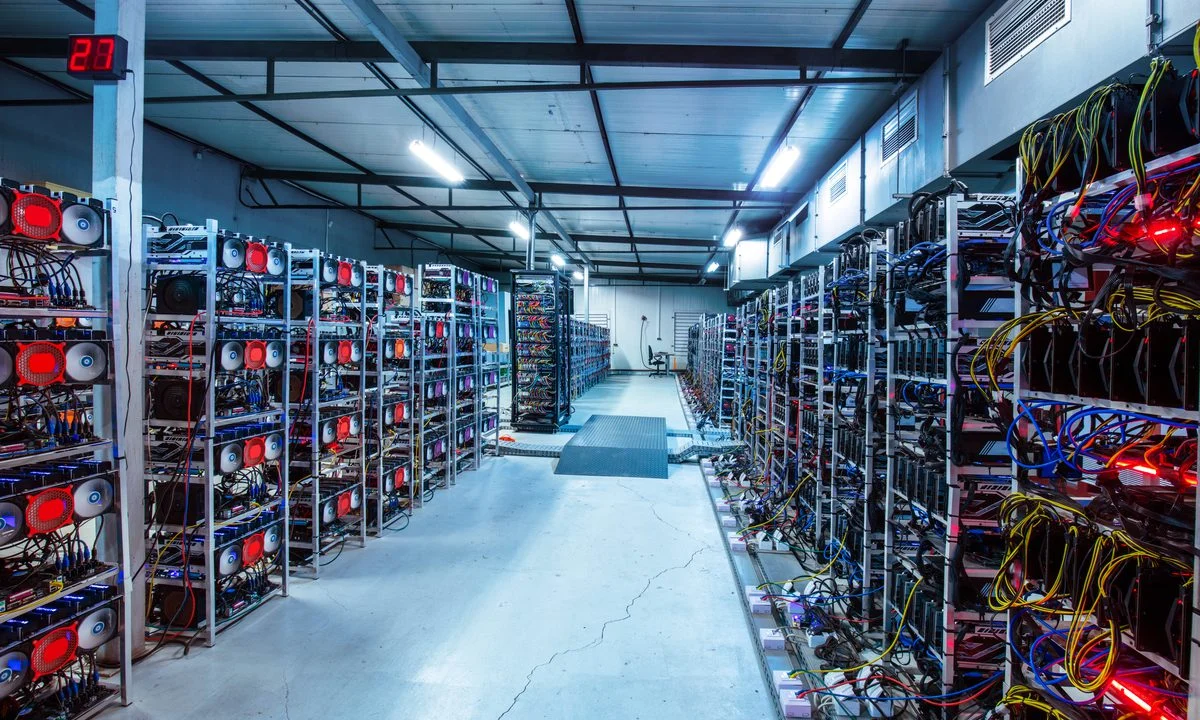
Riot Platforms’ Q2 2023 Surge: Navigating the New Frontier of Bitcoin Mining Efficiency
The global Bitcoin mining landscape is currently undergoing a structural metamorphosis, driven by unprecedented network hash rates and a strategic pivot toward operational efficiency among the industry’s largest players. As the Bitcoin network clocked new all-time highs in hash rate throughout the second quarter of 2023, the mining sector has moved beyond the "growth at all costs" mentality of previous cycles, focusing instead on power optimization, infrastructure scaling, and balance sheet fortification.
Standing at the epicenter of this shift is Riot Platforms (formerly Riot Blockchain). According to its 2023 second-quarter financial results, the company has not only weathered the broader market volatility but has leveraged it to solidify its position as a dominant force in North American Bitcoin mining. By balancing increased production volumes with a sophisticated energy management strategy, Riot has provided a blueprint for how large-scale miners can thrive even amidst fluctuating asset prices.
Main Facts: A Quarter of Records and Resilience
The headline figures from Riot’s Q2 2023 report tell a story of operational excellence. The company produced a total of 1,775 BTC during the three-month period, representing a significant 27% increase compared to the 1,395 BTC mined in the same quarter of 2022. This surge in production was accompanied by a marked improvement in cost-efficiency; the average cost to mine a single Bitcoin dropped to $8,389, a substantial improvement over the $11,316 average recorded in the second quarter of 2022.
Furthermore, Riot finished the quarter with a robust financial position. The company reported $408.4 million in total working capital, which includes $289.2 million in cash on hand and a treasure chest of 7,264 BTC, valued at approximately $221.4 million as of June 30. Perhaps most telling of the company’s improved operational discipline is the drastic reduction in net loss, which plummeted from $353.6 million in Q2 2022 to just $27.7 million in Q2 2023.
Chronology of the Q2 Operational Shift
To understand the trajectory of Riot’s growth, one must look at the monthly progression throughout the second quarter.
- April 2023: The company began the quarter with a steady output, focusing on upgrading its fleet to newer, more efficient ASIC hardware. The groundwork for the Texas facility’s expansion was finalized, allowing for better heat management and power distribution.
- May 2023: This month served as the operational zenith for the quarter, with Riot producing 676 BTC. This translated to an impressive average of 21.8 BTC per day, demonstrating the high uptime and efficiency of their infrastructure.
- June 2023: As the quarter closed, Riot maintained its hash rate momentum, reaching an all-time record of 10.7 EH/s (exahashes per second). During this period, the company shifted its focus toward securing future capacity, culminating in the announcement of a massive hardware procurement deal.
Supporting Data: Diversified Revenue Streams
One of the most critical aspects of Riot’s financial performance is the diversification of its revenue model. Despite Bitcoin’s market price being roughly 15% lower during Q2 2023 compared to the same period in the previous year, the company managed to generate $76.7 million in total revenue—up from $72.9 million in Q2 2022.
This revenue was bolstered by several key segments:
- Bitcoin Mining: The core engine, contributing $49.7 million.
- Engineering Services: A vital secondary pillar, bringing in $19.3 million.
- Data Hosting: Providing infrastructure support for third-party miners, contributing $7.7 million.
- Power Curtailment Credits: A strategic revenue stream, netting $13.5 million.
The success of the "power curtailment" strategy is particularly noteworthy. By partnering with energy providers in Texas, Riot acts as a flexible load for the grid. During periods of peak demand, when electricity prices spike, Riot agrees to power down its mining rigs and sell its contracted power back to the grid. This not only generates revenue but also positions the company as a stabilizing force for the regional energy infrastructure.
Official Responses and Strategic Vision
In his commentary on the quarterly results, Riot management emphasized that the company’s success is a result of long-term planning rather than short-term market speculation. The highlight of the company’s future-looking strategy is the newly signed purchase agreement with MicroBT.
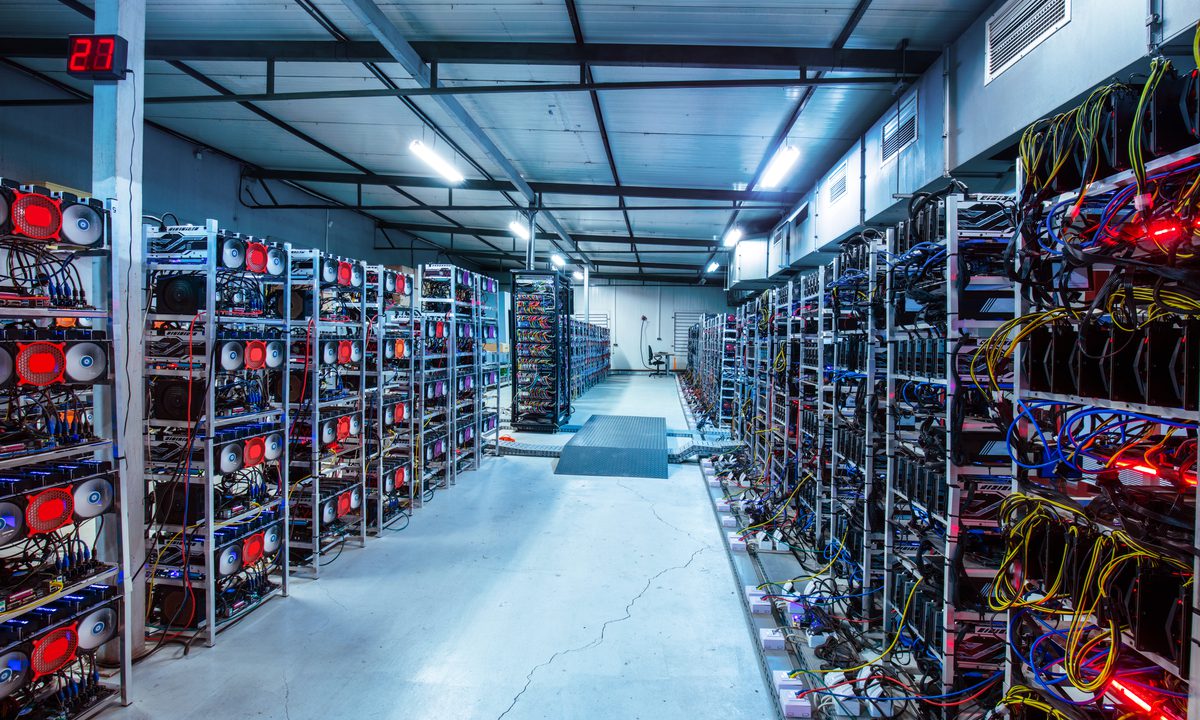
Riot has committed to acquiring 33,280 next-generation miners, a move intended to drastically enhance their computational output. The company’s internal projections suggest that by the second quarter of 2024, Riot’s hash rate capacity will reach a staggering 20.1 EH/s. This expansion is designed to keep the company ahead of the network’s rising difficulty, ensuring that their share of the Bitcoin issuance remains dominant even as the industry moves toward the 2024 "halving" event.
Management noted that the investment in next-gen hardware is specifically calibrated for efficiency. As electricity remains the primary variable cost for miners, the ability to produce more hash power per unit of energy consumed is the primary competitive moat in the mining industry.
Implications for the Broader Mining Sector
The trajectory of Riot Platforms carries significant implications for the broader cryptocurrency mining ecosystem.
1. The Death of Inefficiency
The industry is clearly moving into an era where "mining at any cost" is no longer a viable business model. Companies that rely on older, less energy-efficient hardware are being squeezed out of the market. Riot’s ability to reduce its cost per BTC to under $9,000 sets a benchmark that competitors will be forced to chase.
2. The Power Grid Nexus
Riot’s integration with the Texas energy grid highlights the future of Bitcoin mining as an industrial energy utility. By acting as a demand-response participant, large-scale miners can offset their operational expenses. This symbiosis between Bitcoin mining and renewable energy deployment is likely to become a central talking point in regulatory and environmental discussions surrounding the blockchain.
3. Institutionalization of Mining
With Riot’s stock showing significant momentum—rising over 158% in the six months leading up to the report—investors are clearly signaling a preference for publicly traded, transparent, and operationally diverse mining companies. The transition from volatile, speculative entities to capital-intensive, disciplined infrastructure players is a necessary step for the maturation of the Bitcoin mining asset class.
4. Preparation for the Halving
With the Bitcoin halving scheduled for 2024, the reward for mining a block will be cut in half. The industry is currently in a "land grab" phase, where companies are rushing to secure the most efficient machines and the cheapest power contracts to survive the impending revenue reduction. Riot’s aggressive procurement of 33,280 miners is a defensive and offensive play designed to ensure that even with reduced block rewards, the company’s output remains high enough to ensure profitability.
Conclusion
Riot Platforms’ second-quarter performance is a testament to the resilience of the Bitcoin mining sector. By successfully navigating the complexities of energy management, hardware upgrades, and market volatility, the company has set a clear path for the remainder of the year. While the volatility of the Bitcoin price remains a constant factor for all miners, companies that prioritize infrastructure efficiency and grid-level integration are likely to define the next decade of blockchain security. As Riot looks toward its 20.1 EH/s goal for 2024, the market will be watching closely to see if this strategy of "scale and efficiency" remains the ultimate winning formula in the decentralized economy.