The 20-Million Milestone: Bitcoin Enters the Twilight of Its Issuance Era
The digital gold standard has officially crossed a threshold that cements its position as one of the most strictly governed monetary systems in human history. This past Sunday, the Bitcoin network successfully mined its 20 millionth coin. This landmark event, occurring at block height 939,999, marks the culmination of over 17 years of continuous operation, signifying that more than 95% of the total eventual supply of 21 million BTC is now in existence.
While the milestone serves as a testament to the resilience of Satoshi Nakamoto’s design, it also brings into sharp focus the long-term economic transition the network must navigate. With only one million coins left to be distributed over the next 114 years, the global financial community is beginning to grapple with the realities of a post-subsidy Bitcoin ecosystem.
Chronology of a Digital Revolution
To understand the magnitude of this achievement, one must look back to the inception of the network. On January 3, 2009, the "Genesis Block" was mined, sparking a financial experiment that has since evolved into a trillion-dollar asset class.
- 2009–2012 (The Early Era): The block reward began at 50 BTC. During this period, mining was largely a hobbyist endeavor, performed on personal computers.
- 2012–2016 (The First Halvings): The reward dropped to 25 BTC in 2012, followed by 12.5 BTC in 2016. This era saw the professionalization of mining as specialized hardware (ASICs) emerged.
- 2020–2024 (Institutional Adoption): With rewards falling to 6.25 BTC and subsequently 3.125 BTC in April 2024, the network moved into an era defined by institutional-grade infrastructure.
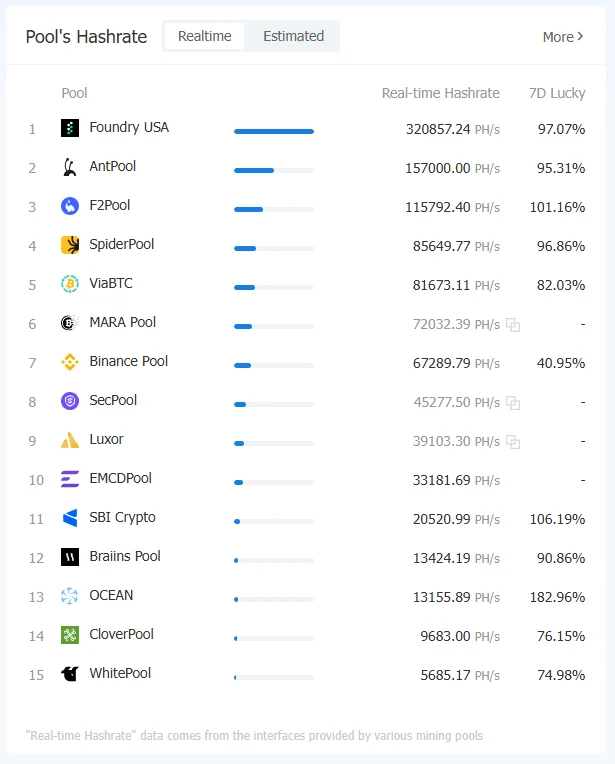
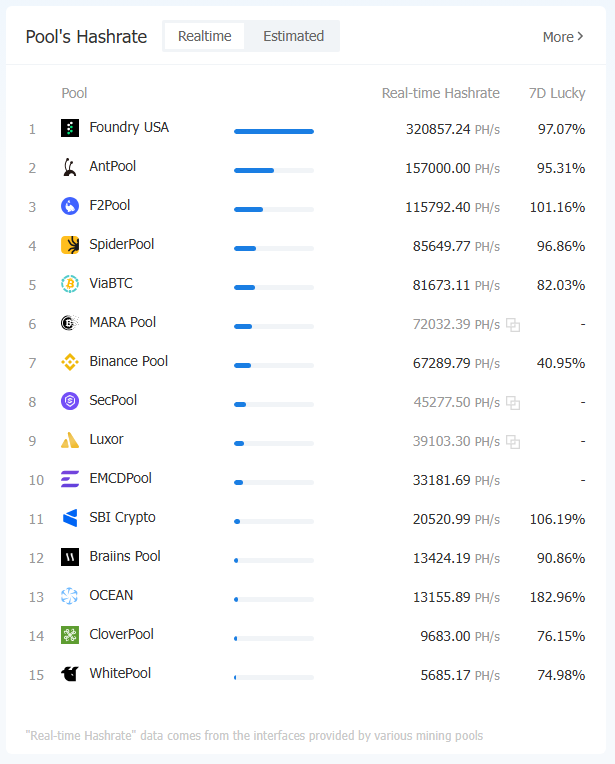
- March 2026 (The 20 Millionth Coin): Exactly 17 years, two months, and one week after the first block, Foundry USA—one of the industry’s largest and most prominent mining pools—processed the transaction that pushed the circulating supply to 20 million.
The speed at which these coins were produced has been governed strictly by the network’s difficulty adjustment algorithm, which ensures that blocks are generated roughly every ten minutes, regardless of the computing power—or hashrate—dedicated to the network.
Supporting Data: The Reality of Scarcity
The 21-million cap is the bedrock of Bitcoin’s value proposition. Unlike fiat currencies, which can be expanded by central bank policy, Bitcoin’s supply schedule is immutable and hardcoded.
However, the "20 million" figure comes with a critical caveat: not all of these coins are liquid or even accessible. Industry analysts from firms like Chainalysis and River Financial have spent years tracking "lost" coins—assets that are effectively removed from the circulating supply due to human error.

The "Lost" Supply
Current estimates suggest that between 2.3 million and 3.7 million BTC are permanently lost. This loss is attributed to several factors:
- Forgotten Credentials: In the early years, when Bitcoin was worth pennies, many users did not prioritize the security of their private keys or wallet passwords. As prices surged, these keys became impossible to recover.
- Early Mining Wallets: A significant portion of the initial supply—roughly 1.8 million coins—remains dormant in addresses linked to the earliest mining era. Much of this is attributed to Satoshi Nakamoto’s personal stash, which has never moved.
- Unspendable Scripts: Approximately 230 BTC are locked in early outputs, including the Genesis Block, which were written with scripts that do not conform to modern spending standards, effectively deleting them from the economy.
When these figures are subtracted from the 20 million, the "effective" supply available to the market is significantly lower. This inherent scarcity, compounded by the loss of millions of coins, creates a "deflationary" pressure that many economists argue will support long-term price appreciation as demand continues to scale.
The Economic Implications of the "Terminal" Phase
The mining of the 20 millionth coin highlights the approaching end of the "block subsidy" era. Since the beginning, miners have been incentivized by both the newly minted coins (the subsidy) and the transaction fees paid by users.
The Revenue Squeeze
As the block reward is halved every 210,000 blocks, the amount of new BTC entering the ecosystem is rapidly diminishing. By the 2040s, daily issuance will drop below 30 BTC. By the 2060s, it will fall below 2 BTC.
This creates a structural challenge for network security. Miners spend massive amounts of capital on electricity and hardware. If the block subsidy continues to approach zero, miners must rely entirely on transaction fees to cover their operating costs.
"The transition from a subsidy-based model to a fee-based model is the final test for Bitcoin," says one industry analyst. "If the network remains highly utilized, the fee market will be sufficient to secure the chain. If not, the network will have to adapt its fee structure or see a decline in hash power, which could impact decentralization."
Institutional and Official Perspectives
The milestone has been met with quiet confidence by the mining industry. Foundry USA, the pool responsible for the 20 millionth coin, has not released a celebratory statement, focusing instead on the continued stability of the network.
However, regulatory and financial circles have noted the significance. Central banks, which have historically criticized Bitcoin for its volatility, are increasingly monitoring the "hard cap" of 21 million as a potential competitor to sovereign debt. The fact that 95% of the supply has been issued without a single day of downtime or a failure in the protocol’s issuance logic has bolstered the narrative of Bitcoin as a "digital store of value."
Looking Toward 2140 and Beyond
As we look toward the future, the next major milestone is the 2028 halving, scheduled for April 11. This will reduce the block reward to 1.5625 BTC, further tightening the supply.
For the average holder, the 20 million milestone is a reminder of the network’s maturity. Bitcoin is no longer a speculative plaything for computer enthusiasts; it is an established monetary protocol in the latter stages of its distribution phase. The transition toward a purely fee-driven security model is still decades away, providing the network with ample time to integrate into the global financial fabric.
While the macroeconomic climate remains volatile—with Bitcoin trading near $70,000 despite recent global tensions—the underlying math remains unchanged. The protocol continues to do exactly what it was programmed to do. Whether in 2026, 2090, or the final issuance in 2140, the Bitcoin network remains the world’s most transparent and predictable ledger.
As the final million coins are slowly released over the next century, the focus of the crypto-economy will undoubtedly shift from "accumulation" to "utility," marking the next great chapter in the evolution of decentralized finance. For now, the network remains secure, the supply remains constrained, and the digital frontier continues to expand, one block at a time.