The 20 Millionth Milestone: Bitcoin Enters the Final Act of Its Monetary Odyssey
In a historic moment for digital finance, the Bitcoin network has reached a monumental threshold: the 20 millionth coin has been successfully mined. This event, occurring at block height 939,999, serves as a poignant reminder of the scarcity-driven architecture embedded in Satoshi Nakamoto’s original protocol. With 95.24% of the total supply now in existence, the world’s premier cryptocurrency has entered the final phase of its issuance schedule—a long, tapering descent that will conclude in the year 2140.
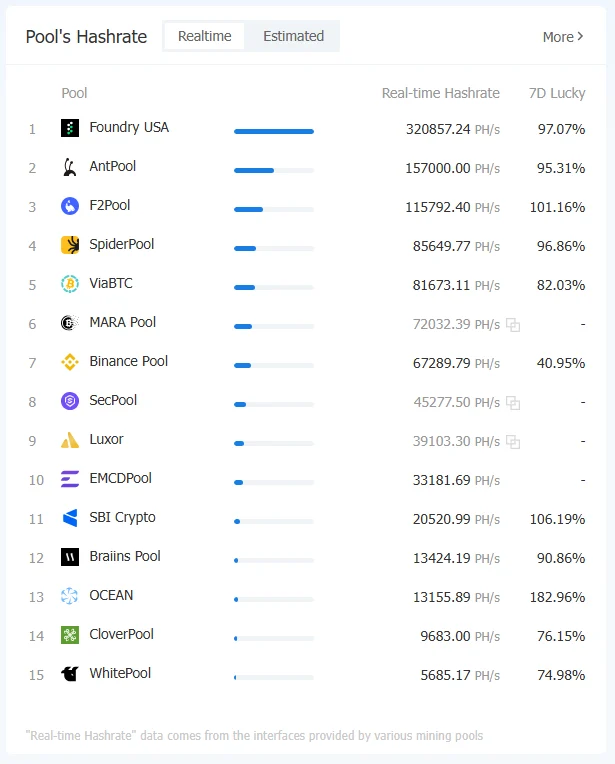
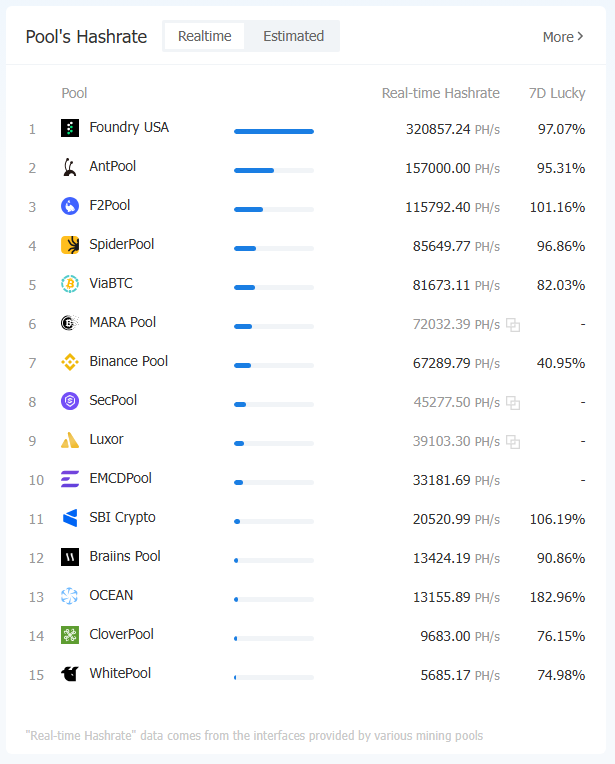
The 20 millionth coin was secured by the Foundry USA mining pool, marking the end of a journey that began in the quiet corners of the internet seventeen years, two months, and one week ago. As the network enters its final stretch, the implications for miners, investors, and the broader economic landscape are becoming increasingly complex.
Chronology of a Digital Revolution
To understand the magnitude of this milestone, one must look back at the timeline of Bitcoin’s progression. Since the genesis block was mined in January 2009, the network has functioned with mechanical precision, governed by a pre-programmed issuance schedule that halves the reward provided to miners every 210,000 blocks, or roughly every four years.
- January 2009: The Genesis Block is mined by Satoshi Nakamoto, initiating the 50 BTC per block reward.
- November 2012: The first halving reduces rewards to 25 BTC.
- July 2016: The second halving brings rewards to 12.5 BTC.
- May 2020: The third halving lowers rewards to 6.25 BTC.
- April 2024: The fourth halving reduces the reward to 3.125 BTC, the current rate at which the 20 millionth coin was produced.
- March 2026: The network reaches the 20 millionth coin milestone, a feat accomplished over 17 years of continuous computational competition.
This timeline is more than a series of numbers; it is the history of a transition from an obscure cryptographic experiment to a trillion-dollar asset class. The journey from the first coin to the 20 millionth took less than two decades, yet the remaining 1 million coins will take approximately 114 years to enter circulation. This extreme deceleration is by design, ensuring that Bitcoin’s supply remains predictable and resistant to the inflationary pressures that characterize traditional fiat currencies.
Supporting Data: The Illusion of Total Supply
While the 20 millionth coin is a significant milestone, it is essential to distinguish between "circulating supply" and "accessible supply." The blockchain provides transparency regarding the total number of coins mined, but it cannot account for the frailty of human memory or the technical limitations of early storage solutions.
According to extensive research from blockchain intelligence firms like Chainalysis and River Financial, a staggering 2.3 million to 3.7 million BTC are effectively lost to the ether. These coins remain recorded on the public ledger but are inaccessible, buried in cold wallets with lost passwords, destroyed hard drives, or orphaned by early adopters who passed away without sharing their private keys.

Notably, approximately 1.8 million of these lost coins belong to the "pioneer era" (2009–2012), a time when Bitcoin was worth pennies and the necessity for robust security protocols was not yet widely understood. Furthermore, about 230 BTC are permanently locked within the genesis block and other early outputs, created with scripts that render them unspendable by design.
Consequently, the "real-world" supply of Bitcoin is significantly lower than the 20 million figure suggests. This effectively makes the asset even scarcer than its programmatic limit of 21 million implies, further reinforcing the deflationary pressure that proponents argue underpins its long-term value proposition.
The Miner’s Dilemma: Sustainability in a Post-Subsidy World
As the network approaches its terminal supply, the economic model of Bitcoin mining faces a fundamental shift. Currently, miners are compensated through two channels: the block subsidy (newly minted coins) and transaction fees. As the halving schedule progresses, the subsidy—the primary incentive for securing the network—will eventually drop to zero.
By the 2040s, daily issuance will fall below 30 BTC. By the 2060s, that figure will plummet to under 2 BTC per day. In this future, the security of the Bitcoin network will rely entirely on transaction fees. Whether these fees can provide sufficient revenue to cover the immense energy and hardware costs associated with mining remains one of the most debated topics in the industry.
Proponents argue that as the network matures and its utility as a global settlement layer grows, the volume of transactions will increase, naturally elevating fee revenue. Critics, however, warn of a potential "security budget" crisis, where declining block rewards could lead to a decrease in the network’s hash rate, potentially making it more vulnerable to attacks if fees do not scale appropriately.
Implications for the Future of Finance
The transition into the final 5% of Bitcoin’s supply brings with it significant geopolitical and macroeconomic implications. Unlike central bank-issued currencies, which can be printed in response to economic crises, Bitcoin’s monetary policy is immutable. As the asset becomes increasingly scarce, its role as a hedge against inflation is likely to be tested on a global stage.
Current market conditions reflect this tension. Trading around $69,282, Bitcoin has faced significant headwinds, including macroeconomic uncertainty, rising interest rates, and geopolitical volatility. Despite a year-to-date decline of roughly 21%, the asset has shown resilience, with a 3.44% gain over the past week alone. This volatility is a hallmark of an asset still finding its footing, but the 20-million milestone reinforces the reality that the window for "cheap" accumulation is closing.
Looking forward, the next scheduled halving on April 11, 2028, will cut the block reward from 3.125 BTC to 1.5625 BTC. Each halving serves as a "stress test" for the mining ecosystem, forcing out inefficient operators and driving technological innovation in energy efficiency.
Conclusion
The mining of the 20 millionth Bitcoin is more than a technical achievement; it is a cultural and economic watershed. It marks the transition from the era of abundance to the era of extreme scarcity. As we look toward the 2090s, when the final full coin will be mined, and eventually the year 2140, when the last satoshi enters the ledger, the world is watching an unprecedented experiment in digital scarcity.
Whether Bitcoin succeeds as the ultimate store of value or remains a volatile speculative asset, its path is set by code. The final 1 million coins, spread over more than a century, represent the closing chapter of a monetary revolution—a period in which the rules of the game are set, and the outcome remains entirely in the hands of the market.