Winter Storm Paralyzes US Bitcoin Mining: How a Deep Freeze Shook Global Hashrates and Tested the Grid
Main Facts
A severe, sweeping winter storm that paralyzed vast regions of the United States over the weekend sent immediate shockwaves through the global cryptocurrency ecosystem. As sub-zero temperatures and heavy snowfall strained regional energy infrastructures—particularly across Texas and the US Southeast—a significant portion of the domestic Bitcoin mining fleet voluntarily or involuntarily went offline. This mass curtailment of industrial mining operations drained roughly 22% of the network’s total processing power in a matter of hours.
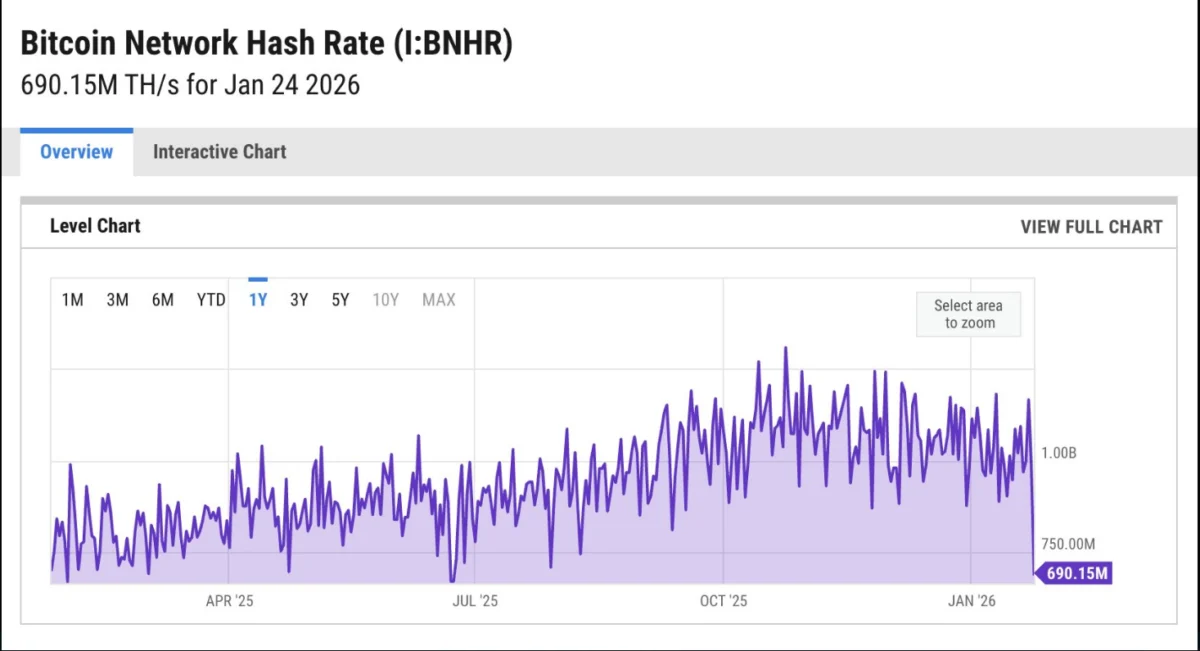
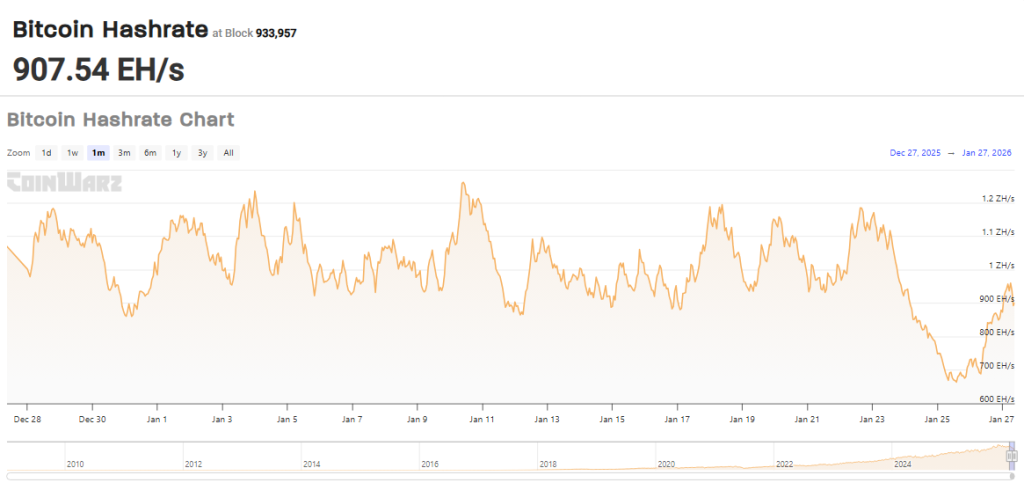
According to data compiled by tracking platforms like Hashrate Index and CoinWarz, the global Bitcoin hashrate suffered a dramatic drop, falling from its robust baseline down to a seven-month low of approximately 663 EH/s (exahashes per second) by Sunday. The contraction highlighted the immense footprint of the United States in the global cryptocurrency mining landscape, with industry estimates pointing to the US supplying nearly 38% of worldwide mining power.
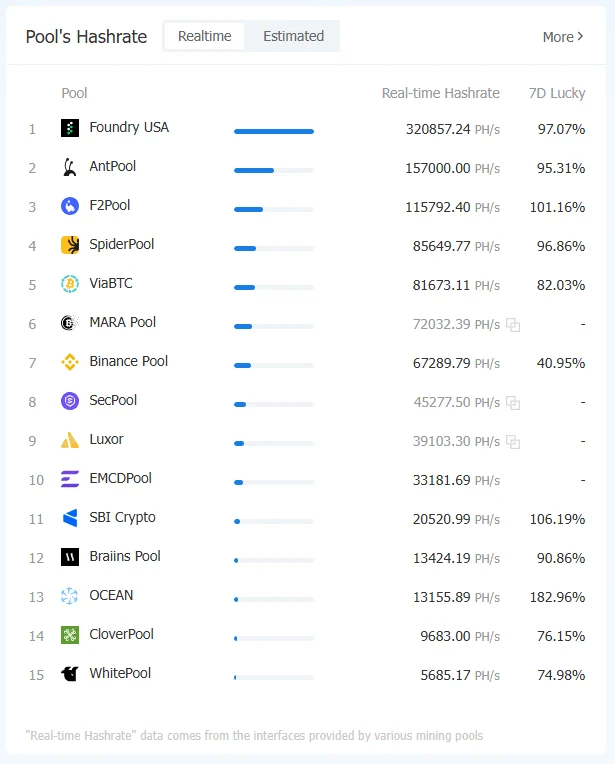
Major industrial players—including Marathon Digital (MARA), Riot Platforms, CleanSpark (CLSK), and IREN—bore the brunt of the weather event. Daily Bitcoin production figures for these publicly traded giants plummeted as they throttled their application-specific integrated circuit (ASIC) rigs to preserve local grid stability. Despite the severity of the operational disruption, the Bitcoin network protocol proved its resilience: decentralization ensured uninterrupted block production, and the market absorbed the shock with Bitcoin prices stabilizing around the $88,000 threshold amid broader macroeconomic and geopolitical currents.
Chronology of the Deep Freeze
Friday: The Cold Front Approaches and Hashrates Begin to Slide
As meteorological warnings intensified regarding an impending polar vortex sweeping down from Canada into the central and southern United States, regional power grids issued early alerts. Bitcoin mining operators, many of whom maintain formal demand-response agreements with local utilities, began preemptively shutting down hardware.
By late Friday, tracking charts registered the initial downward slope in network hashrate. Operations in Texas—a global hub for cryptocurrency mining due to its deregulated energy market and abundant renewable and natural gas resources—started powering down racks of machines to prevent rolling blackouts.
Saturday: Peak Strain and the Deepest Trough
The storm made its full presence felt over the weekend, bringing freezing rain, ice, and record-low temperatures. As households cranked up heating systems, domestic electrical demand spiked while generation capacity faced freezing equipment issues.

Industrial miners stepped up their curtailment efforts. Oregon-headquartered crypto mining firm Abundant Mines reported that roughly 40% of global mining capacity was effectively yanked offline within a compressed 24-hour window. By Sunday, the network hashrate bottomed out at a startling 663 EH/s, marking the lowest computational power recorded on the blockchain in seven months.
Data analytics platforms such as CryptoQuant began publishing alarming metrics regarding individual corporate yields. Marathon Digital’s daily production cratered from an average of 45 coins down to just 7. Other major firms, including CleanSpark and IREN, saw their daily output cut by half or more as their massive server warehouses went dead silent to keep local residential heaters running.
Monday and Tuesday: Thawing Infrastructure and Rapid Recovery
As weather fronts shifted eastward and temperatures slowly crept above freezing, utility operators gave the all-clear for industrial loads to return. Because cryptocurrency mining hardware can be ramped down and booted back up via remote software commands within minutes, the recovery was nearly as swift as the descent.
Within 48 hours of hitting rock bottom, the network’s hashrate clawed its way back up toward 854 EH/s. Mining crews on the ground in Texas, Oklahoma, and the Southeast worked around the clock to inspect transformer yards, clear ice from intake vents, and bring thousands of high-powered rigs back online. By Tuesday, normal block times and standard difficulty metrics were locked back into the blockchain’s self-regulating framework.
Supporting Data and Technical Metrics
The weekend storm provided a real-world stress test for both the physical electrical grid and the mathematical architecture of the Bitcoin network. The following metrics outline the scale of the disruption:
- Global Hashrate Slump: Network computational power plunged from pre-storm levels near 850+ EH/s down to a trough of 663 EH/s.
- US Mining Dominance: According to Hashrate Index, the United States accounts for approximately 38% of the world’s total Bitcoin mining capacity, explaining why a localized weather event in North America heavily impacted global blockchain metrics.
- Infrastructure Density: A federal report by the Energy Information Administration (EIA) highlights that there are more than 130 dedicated, large-scale crypto mining sites distributed across the United States, leaving the sector vulnerable to widespread continental weather anomalies.
- Corporate Output Reductions (Daily Yields):
- Marathon Digital (MARA): Dropped from ~45 BTC/day to ~7 BTC/day.
- CleanSpark (CLSK): Dropped from ~22 BTC/day to ~12 BTC/day.
- Riot Platforms (RIOT): Dropped from ~16 BTC/day to ~3 BTC/day.
- Price Action: Throughout the technical volatility, Bitcoin (BTC) traded resiliently, hovering around $88,300 to $87,866, buffered by ongoing geopolitical tensions that had previously pushed prices as high as $96,000 earlier in the month.
Official Responses and Industry Stakeholder Perspectives
The symbiotic yet complex relationship between industrial Bitcoin miners and regional utility providers took center stage during the emergency. Industry leaders and on-chain analysts were vocal about how the crisis was handled.
The Grid-Stabilization Partnership
In deregulated markets like Texas (managed by the Electric Reliability Council of Texas, or ERCOT), industrial Bitcoin miners are increasingly viewed not as a burden, but as a flexible grid asset. Because crypto mining facilities represent massive, continuous blocks of electrical load, they can act as virtual "sponges" during normal operations—and crucially, as an emergency relief valve when demand spikes.
Abundant Mines noted on social media platform X (formerly Twitter) that the swift curtailment was an intentional, coordinated effort:
"The likely cause: the winter storm impacting Texas & the southeast, where a large share of US mining happens. Power outages and voluntary grid-stabilization measures have taken miners offline."
CryptoQuant analyst Julio Moreno highlighted the stark divergence in corporate output caused by these emergency measures, pointing out that firms utilizing "solo" or volatile mining pools experienced sharper swings in daily coin generation compared to more diversified operations.
Economic Trade-Offs for Miners
While environmentalists and local politicians have historically criticized crypto miners for their immense energy consumption, events like this weekend’s storm underscore the economic concessions miners make. By powering down, corporations forfeit thousands—and in some cases millions—of dollars in daily revenue. However, these curtailment actions are often offset by lucrative demand-response credits paid out by grid operators, who incentivize large-scale consumers to step aside when human lives and residential heating are on the line.
Broader Implications for the Bitcoin Ecosystem
The temporary incapacitation of over a fifth of the Bitcoin network’s mining power carries several long-term takeaways for investors, developers, and regulators alike:
1. Protocol Resilience
Critics often question the centralization risks of Bitcoin mining, noting that geographic clusters in regions like Texas or Sichuan (historically) could compromise the network. However, this weekend proved the opposite. Despite 22% of the network vanishing overnight, the Bitcoin blockchain continued to process transactions seamlessly. The built-in difficulty adjustment algorithm (which automatically recalibrates network puzzles roughly every two weeks) would have adjusted downward had the outage persisted, ensuring that the network remains entirely autonomous and immune to regional human crises.
2. The Maturation of Energy Integration
The incident cements the role of Bitcoin miners as industrial load-balancers. As renewable energy penetration grows and extreme weather events become more frequent due to climate shifts, power grids will increasingly require flexible industrial partners. Crypto miners, uniquely positioned by their ability to turn off hardware instantly without suffering mechanical damage, are proving to be essential shock absorbers for modern electrical grids.
3. Financial Impact on Publicly Traded Miners
For Wall Street investors, the storm served as a sharp reminder of the operational risks tied to proof-of-work mining. Companies with heavy geographic concentration in the US Southeast and Texas saw immediate hits to their quarterly production metrics. Analysts suggest that future institutional evaluations of mining firms will place an even higher premium on energy diversification, geographic hedging, and robust power-purchase agreements (PPAs) that protect bottom lines during extreme weather contingencies.
As the US mining fleet powers back up and hashrates return to historical highs, the industry moves forward having weathered yet another severe trial—demonstrating both the vulnerability of physical energy infrastructure and the unyielding digital resilience of the world’s premier cryptocurrency network.