
CleanSpark Surpasses 30 EH/s Milestone Ahead of Schedule Following Strategic Mississippi Data Center Acquisitions
By the News Desk | Edited by Samuel Rae
Published in partnership with market intelligence briefings
Main Facts
Bitcoin mining heavyweight CleanSpark has officially surpassed the monumental operational threshold of 30 exahashes per second (EH/s) in deployed hashrate. The milestone was achieved ahead of the company’s internal projections, galvanized by the successful completion and integration of two state-of-the-art data center facilities located in Mississippi.
The strategic transaction immediately injects 75 megawatts (MW) of operational power capacity into CleanSpark’s growing infrastructure ecosystem. This acquisition not only solidifies the company’s standing in the upper echelons of publicly traded cryptocurrency miners but also highlights a broader industry pivot toward securing heavy electrical infrastructure over simple speculative hardware procurement.
However, industry analysts caution that while nominal hashrate serves as a crucial yardstick for corporate scale, it does not function as a direct linear predictor of monthly Bitcoin (BTC) production. Actual financial and operational returns remain intrinsically tied to network difficulty adjustments, machine uptime, facility efficiency, and macro energy pricing dynamics.
Chronology of Expansion
The journey to surpassing 30 EH/s has been characterized by aggressive, capital-disciplined expansion strategies executed across multiple regulatory and geographic jurisdictions throughout North America.
- Early 2023 – Mid 2024: CleanSpark systematically targeted undervalued infrastructure assets, systematically upgrading older fleets with cutting-edge Application-Specific Integrated Circuit (ASIC) miners—primarily focusing on high-efficiency Bitmain Antminer models. The company capitalized on post-halving market pressures that forced distressed competitors to divest assets.
- Q3 2024: Executives signaled that infrastructure bottlenecks were being systematically unblocked through localized substation upgrades and targeted acquisitions in the American Southeast.
- Immediate Lead-Up to the Mississippi Acquisition: CleanSpark’s hashrate hovered in the high 20s, with management publicly forecasting the 30 EH/s milestone for late 2024 or early 2025.
- The Mississippi Integration Event: By finalizing the acquisition of the two Mississippi data centers, CleanSpark instantly energized the necessary fleet capacity to leapfrog over the 30 EH/s threshold weeks ahead of schedule. The transition phase was managed smoothly, moving the facilities from acquisition to full operational hash deployment with minimal downtime.
Supporting Data and Financial Metrics
To fully contextualize CleanSpark’s latest operational milestone, market observers must evaluate the metrics defining modern industrial-scale Bitcoin mining.
Fleet Scale and Power Capacity
- Operational Hashrate: Exceeded 30 EH/s deployed.
- Power Addition: 75 MW of newly operational capacity via the Mississippi facilities.
- Competitive Standing: Cemented CleanSpark’s position among the top three publicly traded Bitcoin mining operations globally by active hashrate.
The Economics of Scale
In the post-halving macroeconomic climate—where block subsidies were slashed to 3.125 BTC per block—efficiency and scale are the ultimate arbiters of corporate survival. Miners operating sub-10 EH/s face structural disadvantages in overhead absorption, machine purchasing power, and energy procurement costs. By pushing past 30 EH/s, CleanSpark achieves greater economies of scale, allowing the firm to negotiate more favorable wholesale power purchase agreements (PPAs) and secure priority supply chains for next-generation hardware.
Hashrate vs. Nameplate Capacity
A vital distinction must be made between nameplate capacity (the theoretical maximum output of all purchased hardware if running under laboratory conditions) and operational deployed hashrate (machines physically plugged in, drawing power, and submitting valid shares to a mining pool). CleanSpark’s announcement specifically highlights operational deployed hashrate, giving investors a higher degree of confidence that the reported numbers are generating immediate revenue rather than sitting in boxes awaiting grid interconnection.
Official Responses and Corporate Strategy
In official statements released via its Investor Relations platform, CleanSpark executives emphasized that the Mississippi acquisition represents a masterclass in disciplined capital allocation.
Management reiterated that infrastructure ownership remains the foundational pillar of the company’s long-term business model. Rather than relying entirely on greenfield developments—which are frequently plagued by protracted utility interconnection delays and municipal red tape—CleanSpark has systematically pursued brownfield acquisitions. Acquiring turnkey or near-turnkey data centers allows the firm to bypass years of developmental lag.
Furthermore, corporate communications highlighted the flexibility engineered into their new assets. As the intersection between artificial intelligence (AI), high-performance computing (HPC), and traditional cryptocurrency mining grows increasingly porous, power-heavy infrastructure is evolving into a generalized digital real estate asset class. While CleanSpark remains explicitly committed to Bitcoin mining, controlling strategic megawatt capacity provides an inherent strategic hedge and operational optionality for future board-level decisions.
Implications for Investors and the Broader Mining Sector
The crossing of the 30 EH/s threshold carries profound implications not just for CleanSpark shareholders, but for the wider digital asset mining industry.
1. The Death of Speculative Expansion
Public markets have grown increasingly intolerant of speculative press releases promising future capacity without concrete execution. By delivering actualized hashrate backed by energized megawatts, CleanSpark is setting a benchmark for accountability. Investors are rewarding companies that demonstrate operational follow-through rather than aggressive, debt-fueled promissory notes.
2. Network Difficulty and Global Hashrate Pressures
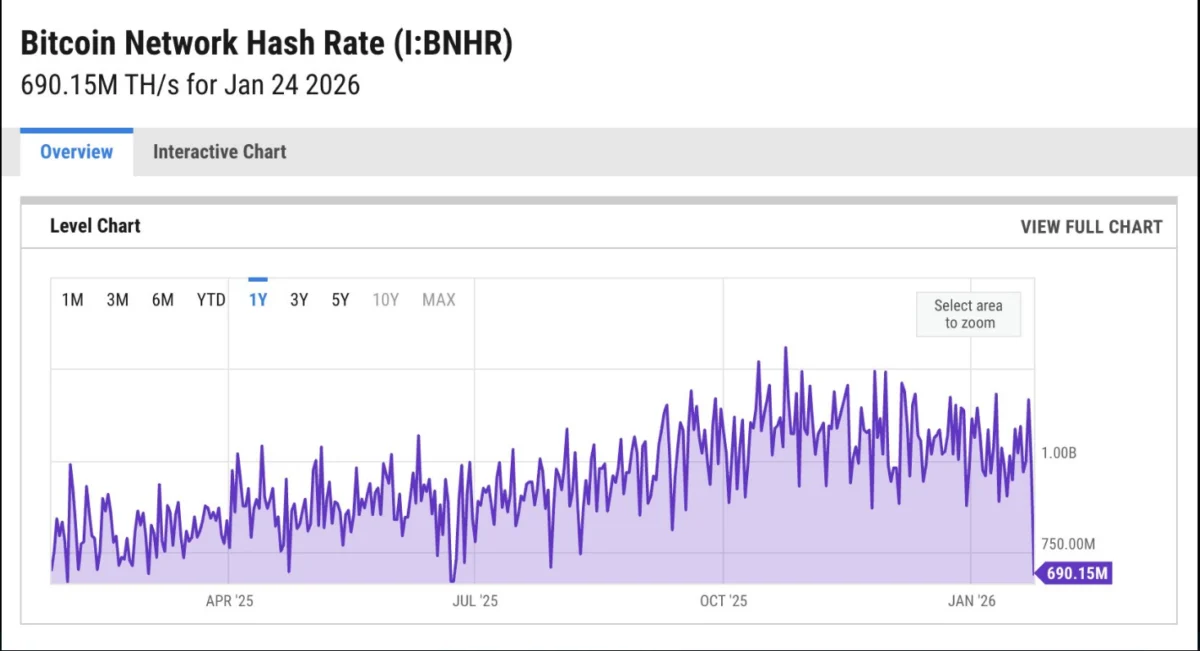
As individual behemoths like CleanSpark scale past 30 EH/s, the aggregate global hashrate climbs higher. This exerts continuous upward pressure on network difficulty. When global difficulty rises, less efficient operators—particularly those tethered to volatile or high-cost energy grids—are systematically squeezed out of profitability. This dynamic accelerates industry consolidation, positioning well-capitalized giants like CleanSpark to capture larger slices of the fixed daily BTC issuance.
3. Separation of Hashrate and Monthly Yield
A common analytical pitfall for retail investors is assuming that a 10% increase in hashrate translates to a direct 10% increase in monthly Bitcoin revenue. In reality, Bitcoin mining is a zero-sum game played on a shifting global battlefield. If the global hashrate expands faster than an individual company’s hashrate growth, that company’s relative share of the block rewards can actually decline. Therefore, investors must monitor CleanSpark’s relative network share alongside metrics like:
- Uptime and Curtailment Rates: How consistently the fleet runs without interruption from extreme weather, grid demand-response events, or maintenance.
- Fleet Efficiency (Joules per Terahash – J/TH): The electrical cost required to produce a unit of hashrate.
- Hashprice Environment: The expected dollar-denominated daily revenue per terahash of hashrate, which fluctuates based on transaction fee markets and the fiat price of Bitcoin.
4. Infrastructure is the New Gold
The broader mining sector is undergoing a profound structural repricing. Wall Street analysts and institutional funds are no longer valuing crypto miners strictly as leveraged proxies for the price of Bitcoin. Instead, they are evaluating miners through the lens of infrastructure asset management. Power access, substation footprints, land rights, and liquid-cooling readiness are now premium valuation drivers. CleanSpark’s absorption of the Mississippi assets directly mirrors this macro shift, proving that the companies winning the next phase of the digital asset economy are those that master the grid.
Outlook
CleanSpark’s achievement of the 30 EH/s milestone via its strategic Mississippi expansion underscores a maturing, industrial-grade Bitcoin mining sector. By pairing aggressive hardware deployment with concrete power acquisition, the company has insulated itself against many of the structural vulnerabilities plaguing weaker competitors.
However, as the network difficulty ratchets upward and the macroeconomic environment remains fluid, execution will remain the ultimate test. Scale provides the tools, but operational excellence, proactive fleet management, and disciplined energy hedging will decide whether this milestone translates into sustained, long-term shareholder value.
For ongoing updates and official financial filings regarding CleanSpark’s operational metrics, stakeholders are encouraged to monitor the official CleanSpark Investor Relations portal.