Deep Freeze Shakes the Blockchain: Severe Winter Storm Knocks US Bitcoin Miners Offline in Dramatic Test of Grid Flexibility
WASHINGTON — A fierce, unyielding winter storm that swept across large swathes of the United States over the weekend delivered a sharp jolt to the global cryptocurrency ecosystem. The severe weather system forced a massive portion of the nation’s Bitcoin mining fleet to abruptly curtail operations, drastically reducing the network’s total computing power and shining a spotlight on the complex, symbiotic relationship between heavy industrial crypto mining and regional power grids.
While the sudden offline migration of thousands of specialized rigs temporarily weakened the blockchain’s underlying security architecture and severely dented the daily treasuries of major publicly traded mining firms, the incident ultimately showcased the unique flexibility of Bitcoin mining fleets as an on-demand electrical load balancer.
As weather patterns shifted and utility crews worked tirelessly to restore stability, the network rebounded with remarkable resilience. However, the temporary crisis has reignited critical conversations regarding energy infrastructure vulnerability, geographic centralization of mining operations, and the financial ramifications for institutional-grade operators caught in the path of extreme meteorological events.
1. Main Facts
The core of the crisis centered on a brutal winter front that plunged temperatures well below freezing across high-density mining hubs in the United States, most notably in Texas and the Southeast. According to data compiled by the Energy Information Administration (EIA), the United States hosts more than 130 dedicated commercial-scale cryptocurrency mining facilities. Hashrate Index estimates that the United States accounts for nearly 38% of the entire global Bitcoin mining power, making domestic disruptions felt almost instantaneously on an international scale.

As freezing rain, heavy snow, and sub-zero temperatures triggered soaring residential and commercial heating demands, local utilities faced unprecedented strain. To prevent widespread blackboards and protect critical infrastructure, regional grid operators—such as the Electric Reliability Council of Texas (ERCOT)—relied heavily on pre-established demand-response agreements with industrial crypto miners.
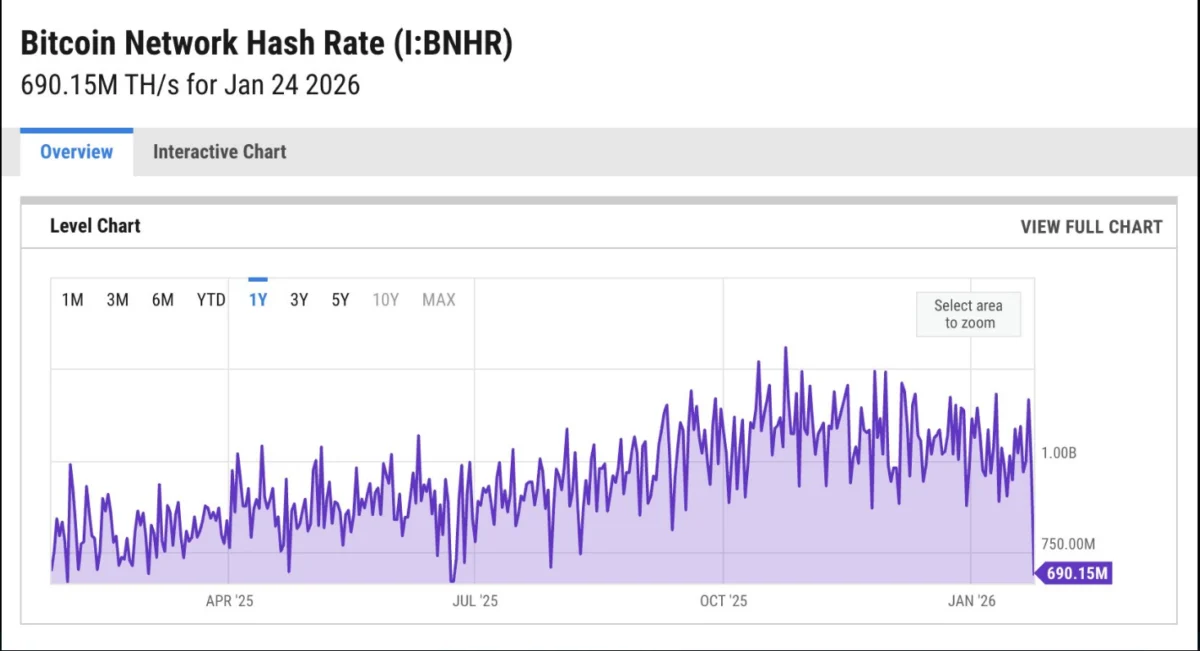
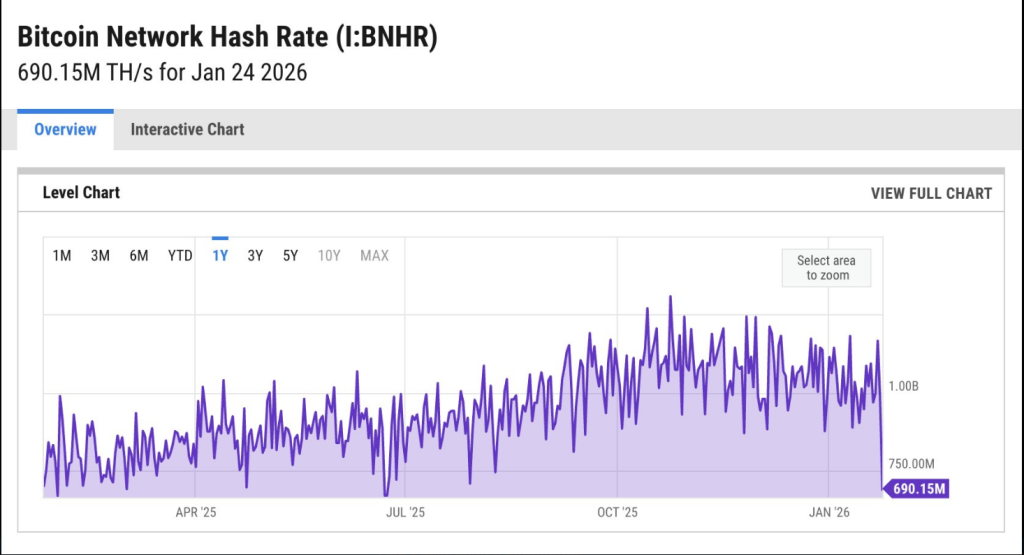
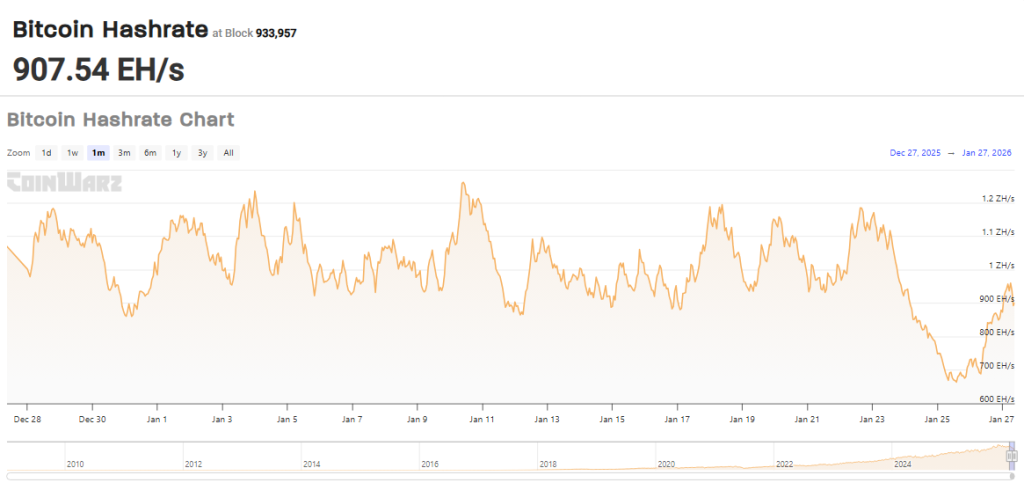
- The Hashrate Plunge: Network statistics tracked by CoinWarz and other analytics platforms revealed that the total Bitcoin hashrate—a measure of the total computing power securing the proof-of-work blockchain—began a precipitous decline on Friday. By Sunday, the hashrate plummeted to a multi-month low of approximately 663 EH/s (Exahashes per second), marking a steep drop not witnessed in seven months.
- Scale of Curtailment: Oregon-based crypto mining firm Abundant Mines reported that roughly 40% of global mining capacity was effectively forced offline or voluntarily powered down within a strict 24-hour window.
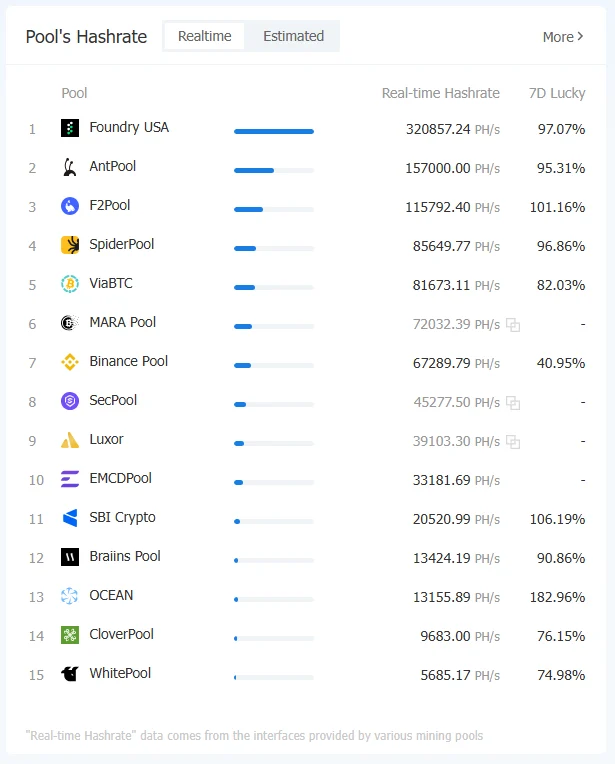
- Corporate Production Hit: Major institutional miners absorbed the brunt of the shock. On-chain analytics firm CryptoQuant reported dramatic reductions in daily Bitcoin yields for industry heavyweights. Marathon Digital (MARA) saw its daily coin production plunge from 45 Bitcoin down to just 7. CleanSpark (CLSK) output dropped from 22 to 12 Bitcoin, Riot Platforms (RIOT) tumbled from 16 to 3, and IREN experienced a drop from 18 down to 6 coins per day.
- Price Resilience: Despite the severe disruption to network hash power and corporate revenue streams, Bitcoin’s spot price held relatively steady, consolidating around the $87,800 to $88,300 range through the thick of the volatility, cushioned by broader macro-economic factors and shifting geopolitical headlines.
2. Chronology of Events
The unfolding crisis followed a rapid timeline, moving from early meteorological warnings to sudden grid stress and a subsequent swift recovery.
- Thursday — Pre-Storm Preparations: As meteorologists tracked the intensifying winter vortex sweeping down from the Arctic, regional power utilities issued early advisories warning of extreme electrical demand. Major mining operators in Texas and neighboring southeastern states began reviewing emergency curtailment protocols, preparing to ramp down high-voltage Application-Specific Integrated Circuit (ASIC) rigs at a moment’s notice.
- Friday — The Initial Drop: The storm made landfall with freezing precipitation and plunging temperatures. As residential heating loads skyrocketed, local power grids began flashing warning signs. In coordination with utility providers, the first wave of commercial mining farms initiated voluntary shutdowns to preserve grid integrity. Hashrate metrics on-chain began an accelerated downward slide.
- Saturday — Peak Strain and Maximum Curtailment: Grid stress reached its zenith over the weekend. Major mining pools and analytics desks registered widespread offline behavior. Operations that rely on continuous hashing to mine blocks went dark. Abundant Mines and other regional observers noted that global hashrate had shed over 110 EH/s in a matter of days. Publicly traded mining firms reported their lowest single-day output metrics in months, as thousands of machines sat dormant to keep homes lit and heated.
- Sunday — The Bottom: The network hit its trough late Sunday, bottoming out at roughly 663 EH/s. This represented a staggering loss of computational security, though the Bitcoin protocol is uniquely designed to handle such drops without risking systemic failure.
- Monday and Tuesday — The Rapid Recovery: As the cold front began to lift, weather systems moved eastward, and utility stability was restored, mining operators received the green light to restart their equipment. Crews worked around the clock to bring rigs back online. Within 48 hours of hitting the floor, the global hashrate rebounded sharply, climbing back toward 854 EH/s as normalcy returned to the grid and the blockchain alike.
3. Supporting Data
The intersection of meteorological data, blockchain analytics, and corporate financial disclosures provides a clear picture of how deeply the winter storm impacted the industry.
- Hashrate Metrics: CoinWarz tracking charts illustrated a dramatic V-shaped recovery curve. The drop from peak levels down to 663 EH/s wiped out nearly 20% of the network’s total computing power at its lowest point, before staging an aggressive rebound toward 854 EH/s as hardware was re-energized.
- Corporate Yield Contraction: Data shared by CryptoQuant analyst Julio Moreno highlighted the vulnerability of centralized, industrial-scale mining operations during extreme weather events. The percentage drops in daily block rewards were severe:
- Marathon Digital (MARA): Down 84.4% (45 BTC to 7 BTC)
- Riot Platforms (RIOT): Down 81.2% (16 BTC to 3 BTC)
- CleanSpark (CLSK): Down 45.4% (22 BTC to 12 BTC)
- IREN: Down 66.6% (18 BTC to 6 BTC)
- Geographic Concentration: According to the U.S. Energy Information Administration (EIA), the concentration of more than 130 large-scale mining operations across specific states—particularly Texas, Georgia, and North Carolina—creates localized economic clusters. When severe weather hits these specific corridors, the national and global mining supply chains experience outsized shockwaves.
- Bitcoin Market Stability: Coingecko and TradingView data showed Bitcoin (BTCUSD) trading resiliently around $87,866. While the market had previously flirted with highs near $96,000 driven by external geopolitical tensions, the physical shutdown of major mining fleets failed to spark a bearish panic. Traders largely viewed the curtailment as a temporary, weather-induced anomaly rather than a structural threat to the asset’s valuation.
4. Official Responses
Reactions from industry stakeholders, energy regulators, and mining corporations underscore the evolving dynamic between cryptocurrency infrastructure and public utility management.
Mining operators were quick to emphasize that the power-downs were not emergency hardware failures, but rather intentional, cooperative measures designed to protect civilian populations. In statements released via social media and corporate channels, firms highlighted the unique capacity of Bitcoin mining to act as an elastic "electrical sponge."
Abundant Mines noted in a public update:
"The likely cause: the winter storm impacting Texas & the southeast, where a large share of US mining happens. Power outages and voluntary grid-stabilization measures have taken miners offline."
Analyst commentary echoed this sentiment, pointing out that industrial crypto farms are uniquely suited to absorb grid shocks because they represent the only major industrial load that can be completely switched off instantly with zero structural damage to manufacturing output or inventory loss.
Energy regulators and local utilities have increasingly leaned into this capability. In states like Texas, formal demand-response programs compensate miners for cutting power during peak grid distress. This prevents rolling blackouts for residential consumers while allowing mining conglomerates to monetize their energy flexibility through curtailment credits, even if their short-term coin production takes a temporary hit.
5. Implications
The weekend’s events carry profound implications for the future of Bitcoin mining, energy market integration, and institutional crypto investment.
- Grid Flexibility vs. Revenue Volatility: The incident proves that Bitcoin miners can successfully serve as a flexible grid asset of last resort during extreme climate emergencies. However, it also underscores the financial vulnerability of public mining stocks. When companies like Marathon and Riot must suddenly halt production for days at a time, their short-term quarterly revenues face immediate compression, which can introduce stock price volatility independent of Bitcoin’s actual market price.
- Geographic Diversification: The heavy concentration of mining hardware in weather-prone regions like Texas highlights the operational risks of geographic clustering. Moving forward, institutional miners may place a higher premium on geographic diversification, setting up operations in milder climates or regions with more robust, redundant baseload power generation to mitigate weather-related downtime.
- Protocol Robustness: On a technical level, the storm served as a live stress test of Bitcoin’s self-regulating difficulty adjustment algorithm. Although the hashrate dropped sharply for a few days, the network continued to process transactions securely. If such a drop were to persist for two weeks, the protocol would automatically lower mining difficulty to ensure block times remain stable; however, the rapid recovery of the hashrate back to 854 EH/s rendered a formal difficulty adjustment unnecessary.
Ultimately, the deep freeze of late January 2026 demonstrated both the vulnerability of industrial-scale crypto operations to extreme weather and the remarkable adaptability of the Bitcoin network as a whole. As climate anomalies become increasingly frequent, the cooperative framework between miners and power utilities will undoubtedly serve as a vital blueprint for managing future energy crises.