Riot Platforms Reports Robust Growth Amidst Industry-Wide Bitcoin Mining Surge
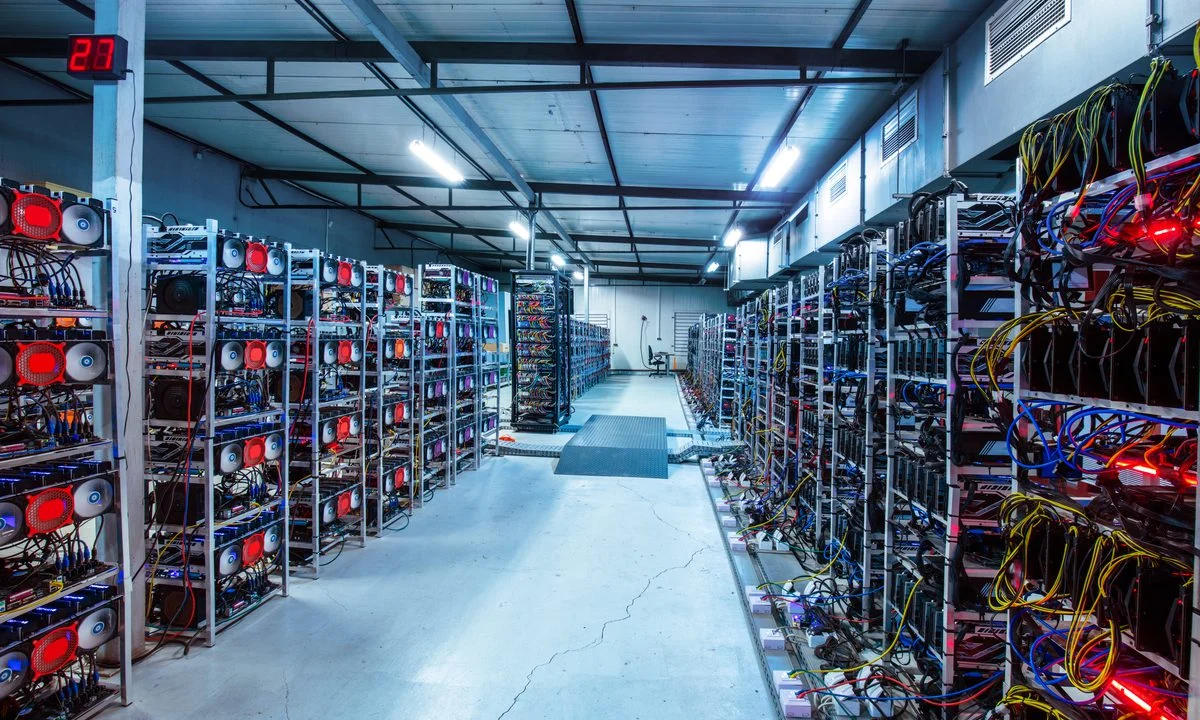
The global Bitcoin mining landscape is currently undergoing a transformative phase. As the blockchain network shattered previous records for hash rate during the second quarter of 2023, the industry has seen a resurgence in both operational capacity and profitability. Leading the charge among publicly traded entities, Riot Platforms (formerly Riot Blockchain) has unveiled a second-quarter financial performance that underscores a strategic shift toward operational efficiency and aggressive expansion.
Despite the inherent volatility of the cryptocurrency market, Riot’s latest financial disclosures reveal a company that is not merely surviving the "crypto winter" but is actively positioning itself for the next cycle. By leveraging state-of-the-art mining technology and a unique power-management strategy, Riot has managed to increase its production output while simultaneously lowering its cost of operations.
Main Facts: A Quarter of Record-Breaking Performance
Riot Platforms’ Q2 2023 report paints a picture of a company scaling its operations with precision. The most significant headline from the report is the company’s ability to produce 1,775 BTC during the second quarter—a 27% increase compared to the 1,395 BTC produced in the same period of 2022.
This growth trajectory is anchored by a record-breaking hash rate capacity of 10.7 EH/s. Perhaps most impressively, the company managed this feat while reducing the average cost to mine a single Bitcoin to $8,389, a significant improvement over the $11,316 average recorded in Q2 2022. This reduction in overhead, combined with a total revenue of $76.7 million, allowed Riot to drastically shrink its net loss to $27.7 million, a massive improvement from the $353.6 million loss reported in the second quarter of the previous year.
Chronology: The Path to Q2 2023 Success
The journey to these record figures did not happen overnight. The second quarter served as a culmination of several strategic initiatives implemented by the company:
- April 2023: As the Bitcoin network experienced increased transaction volumes, Riot began optimizing its fleet to prioritize high-efficiency mining rigs.
- May 2023: Production peaked during the month, with the company churning out 676 BTC, averaging approximately 21.8 BTC per day. This period showcased the reliability of Riot’s Texas-based infrastructure.
- June 2023: By the end of the quarter, Riot solidified its balance sheet, holding 7,264 BTC—a substantial treasury that positions the company as a major institutional stakeholder in the Bitcoin ecosystem.
- Strategic Acquisition: Toward the end of the quarter, Riot finalized a long-term purchase agreement with MicroBT. This move to acquire 33,280 next-generation miners marked a pivotal moment, setting the stage for a projected hash rate growth to 20.1 EH/s by mid-2024.
Supporting Data: Financial Resilience and Operational Efficiency
Riot’s financial report is more than just production numbers; it is a testament to diversified revenue streams. While Bitcoin mining remains the primary engine, the company has successfully integrated other services to hedge against market volatility.
Breakdown of Revenue Streams (Q2 2023)
- Mining Revenue: $49.7 million
- Engineering Revenue: $19.3 million
- Data Hosting Revenue: $7.7 million
- Power Curtailment Credits: $13.5 million
The inclusion of power curtailment credits is particularly noteworthy. By participating in energy-demand response programs, Riot sells electricity back to the Texas grid during periods of peak demand. This strategy not only provides a buffer against fluctuating Bitcoin prices but also serves as a stabilizing force for the state’s power infrastructure, demonstrating that mining companies can be net-positive contributors to the energy sector.
Furthermore, Riot’s liquidity position is strong. With $408.4 million in working capital—comprised of $289.2 million in cash and $221.4 million in Bitcoin holdings—the company is well-capitalized to withstand potential downturns and continue its infrastructure build-out without the immediate need for dilutive financing.
Official Responses and Strategic Outlook
In their official press release accompanying the financial results, Riot Platforms’ leadership emphasized a "long-game" strategy. By focusing on the acquisition of the latest generation of mining hardware from MicroBT, the company is aiming to maximize its hash rate-per-watt efficiency.
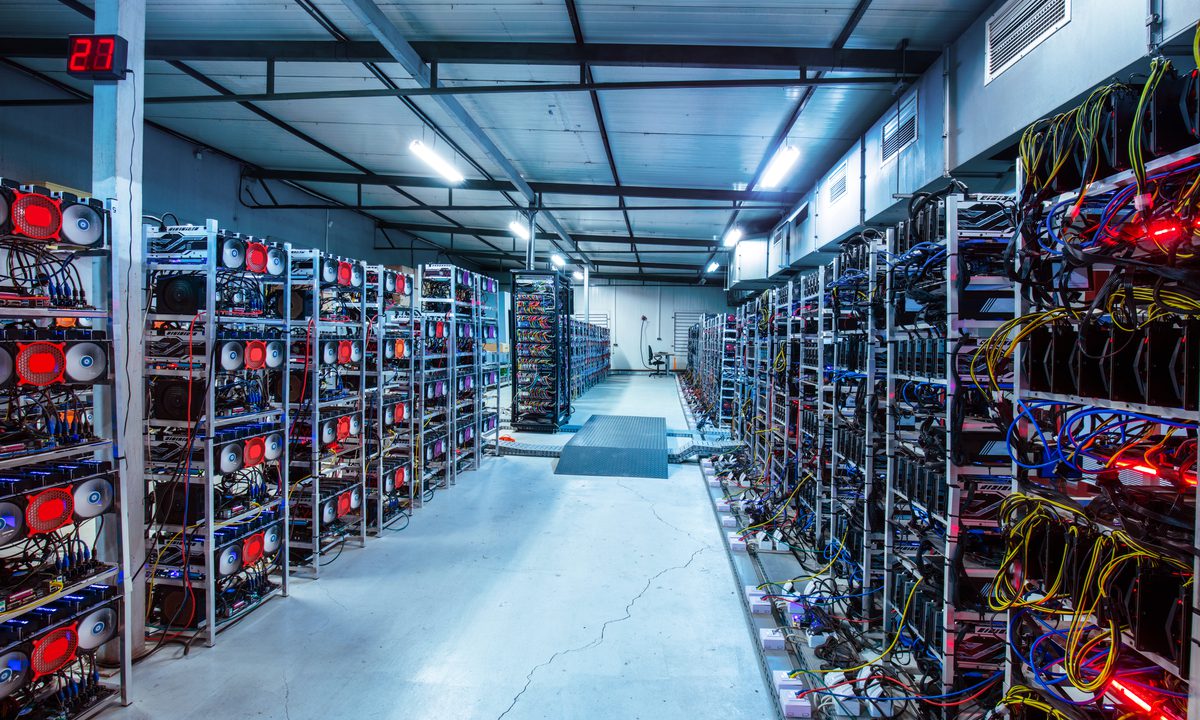
"Our objective has always been to build a sustainable, scalable, and resilient operation," a company representative noted. "The purchase of 33,280 next-generation miners is not just about increasing hash rate; it is about future-proofing our operations against the upcoming Bitcoin halving, where efficiency will be the deciding factor between profitability and obsolescence."
The market has reacted favorably to these developments. Riot’s stock (RIOT) has seen a staggering 158.14% increase over the past six months, reflecting investor confidence in the company’s ability to execute its roadmap in a challenging macroeconomic environment.
Implications: What This Means for the Mining Industry
The success of Riot Platforms carries significant implications for the broader Bitcoin mining sector:
1. The Survival of the Fittest
The industry is moving away from the "growth at all costs" mentality of the 2021 bull market. Today, the focus is on "hash rate density"—how much computational power can be generated for the least amount of electricity. Riot’s ability to reduce its mining cost by over 25% year-over-year serves as a benchmark for other publicly traded miners.
2. The Integration of Grid Services
Riot’s power curtailment strategy serves as a blueprint for the future of industrial-scale mining. As regulators globally express concerns over the energy intensity of Bitcoin mining, firms that can demonstrate a symbiotic relationship with energy grids—acting as "load balancers" rather than mere "energy consumers"—will likely face fewer regulatory headwinds.
3. Institutionalizing the Balance Sheet
By holding a significant portion of its mined Bitcoin in reserve, Riot is effectively operating as a hybrid mining-investment firm. This approach provides shareholders with direct exposure to Bitcoin’s price appreciation while also benefiting from the production margins of the mining operations. This dual-exposure model is becoming increasingly popular among institutional investors looking to participate in the crypto space without relying solely on ETFs.
4. Preparing for the Halving
With the Bitcoin halving expected in 2024, mining rewards will be slashed in half. The industry is currently in a "race to scale" to ensure that production volumes remain profitable despite the reduction in block rewards. Riot’s commitment to reach 20.1 EH/s by Q2 2024 is a clear indication that the company is preparing to maintain its market share even after the network subsidy is cut.
Conclusion: A New Era for Riot Platforms
As Bitcoin continues to fluctuate in price, the companies that manage their operations with industrial discipline are those that will define the next chapter of the blockchain era. Riot Platforms has demonstrated that through a combination of strategic hardware procurement, grid-responsive energy management, and prudent capital allocation, Bitcoin mining can remain a lucrative and sustainable enterprise.
For investors and industry observers alike, the second quarter of 2023 marks a turning point. It is no longer enough to simply plug in machines and hope for a bull market. The future belongs to firms like Riot, which treat mining as a sophisticated energy and technology business. As the company moves toward its 2024 targets, the world will be watching to see if this model of efficiency and grid integration continues to yield the high-performance results seen in this record-setting quarter.