The Crypto Chill: Analyzing the Massive 40% Plunge in June Trading Volumes
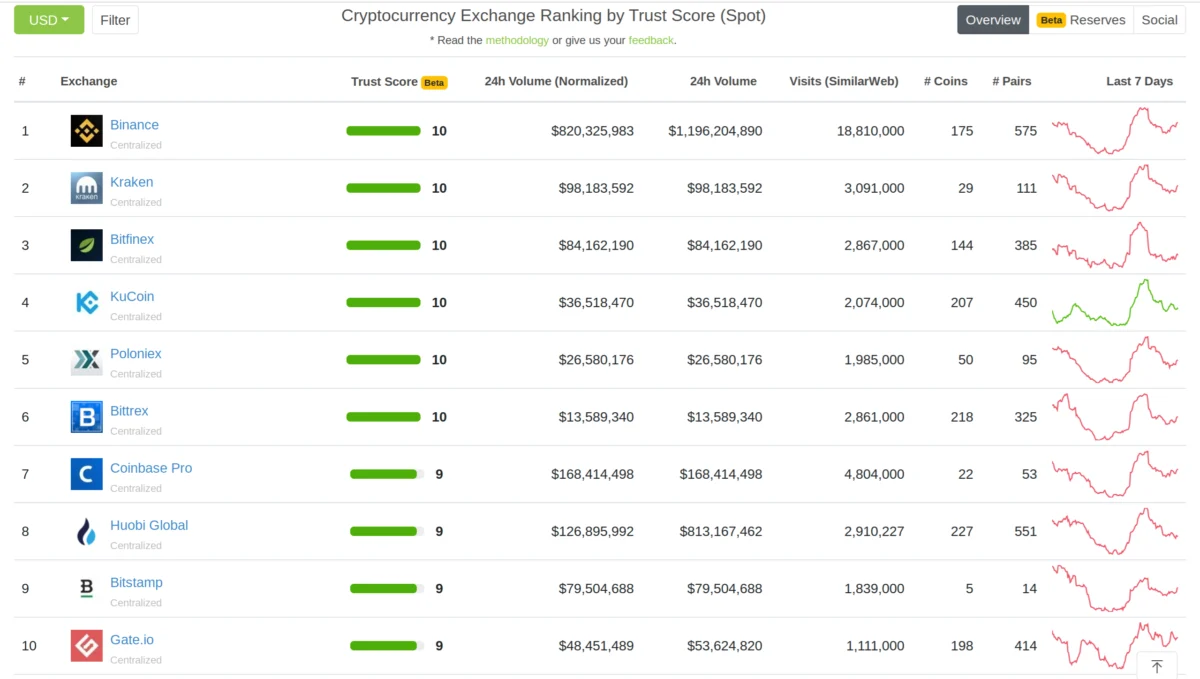
The cryptocurrency market, known for its extreme cyclicality and volatile price swings, faced a significant cooling-off period in June 2021. Following months of frenzied speculative activity and record-breaking valuation highs, major global exchanges reported a dramatic contraction in trading activity. According to the latest data from London-based research firm CryptoCompare, trading volumes across top-tier platforms—including Coinbase, Kraken, Bitstamp, and Binance—plummeted by more than 40% as digital assets entered a stagnant, sideways consolidation phase.
While the headline figures suggest a cooling of market sentiment, analysts caution against interpreting these numbers as a death knell for the industry. Instead, they point to a necessary correction following the unprecedented liquidity events of May 2021. To understand the current landscape, one must examine the confluence of regulatory pressure, institutional re-evaluation, and the historical context of the crypto market.
Main Facts: The Anatomy of the June Contraction
The data provided by CryptoCompare paints a stark picture of a market in retreat. The total spot trading volume across major exchanges fell by 42.7% throughout June, while derivative products—the instruments often used by traders to leverage positions—saw a similar decline of 40.7%.
This reduction in liquidity was not localized to a single region or platform. It was a global phenomenon, affecting the most liquid exchanges in the world. Specifically:
- Bitcoin (BTC) Performance: Bitcoin, the market bellwether, struggled to maintain momentum, hitting a monthly low of $28,908 and concluding the month down 6.0%.
- Futures Open Interest: Reflecting the lack of conviction among institutional and retail traders alike, open interest for Bitcoin and Ethereum (ETH) futures plummeted by 31.8% and 29.3%, respectively.
- Binance Remains Dominant: Despite the aggregate decline in volume—which saw the platform’s total volume drop by 56% to $668 billion—Binance maintained its position as the world’s largest cryptocurrency exchange, signaling that while the "pie" has shrunk, market leadership remains relatively consolidated.
Chronology: A Storm of Regulatory and Market Headwinds
The decline in June did not occur in a vacuum; it was the culmination of a sequence of events that began in early spring.
The May Trigger: China’s Mining Exodus
The structural shift in the crypto market began in May, when the Chinese government intensified its rhetoric and enforcement regarding cryptocurrency mining. China, previously the world’s largest hub for Bitcoin mining, initiated a systematic crackdown, forcing miners to shut down operations and liquidate their holdings to fund the relocation of their equipment to jurisdictions such as North America and Kazakhstan. This "mass exodus" created a supply shock and panic among retail investors, which ultimately set the stage for the low-volume, sideways trading seen in June.
The June Correction
As June arrived, the market remained "shaken out." New investors who had entered during the peak of the bull run in the first quarter of 2021 found themselves facing unrealized losses, leading many to exit the market entirely. The "sideways" movement of Bitcoin meant that traders were no longer seeing the daily double-digit percentage swings that attract day traders and algorithmic bots. Consequently, the lack of volatility directly impacted exchange revenue, as fewer trades meant fewer transaction fees.
The El Salvador Milestone
Amidst the gloom, the market received a signal of long-term legitimacy. In June, El Salvador became the first sovereign nation to formally adopt Bitcoin as legal tender. While this news was historic, its immediate impact on short-term trading volume was muted. Instead of triggering a "buy the news" rally, the market remained focused on the macroeconomic headwinds and the ongoing regulatory scrutiny, illustrating a disconnect between long-term institutional adoption and short-term retail liquidity.
Supporting Data: Contextualizing the "Plunge"
It is tempting to view a 40% drop in volume as a collapse of the ecosystem, but data analysts suggest this is a mischaracterization.
Clara Medalie, research lead at the crypto market data firm Kaiko, provided vital context in an interview with CNBC. She emphasized that while the percentage drop is steep, it is largely a result of comparing June against an outlier month: May 2021.
May 2021 saw the highest trading volumes ever recorded in the history of the asset class, driven by massive liquidation events and extreme price volatility. Therefore, comparing June’s figures to May’s is essentially comparing a "normal" market month to an "extraordinary" market event. When viewed against the broader timeline, June’s volume still ranks in the top five months of volume in crypto history.
Furthermore, when comparing the current volume levels to the same period in 2020, the market is still operating at magnitudes higher than the previous year. The current volumes are essentially a "reversion to the mean," returning to the levels observed in early 2021 rather than a total disappearance of interest.

Official Responses and Industry Outlook
The industry response to the June data has been one of measured caution. Exchanges, while seeing their fee-based income compress, are focusing on long-term infrastructure. The narrative shifted from "get rich quick" to "infrastructure development."
For instance, the migration of miners from China to the United States and other regions is viewed by industry leaders as a long-term positive. By decentralizing the mining network, the risk of a single government’s policy shift crippling the Bitcoin network is significantly reduced.
However, the regulatory environment remains the primary concern for the remainder of the year. The SEC and other global financial regulators have increased their oversight of crypto-native firms. This regulatory uncertainty is likely to keep volumes suppressed until there is more clarity regarding the legal classification of various tokens and the operational requirements for exchanges.
Implications: What This Means for the Future
The current contraction of trading volumes carries several implications for the future of the cryptocurrency market:
1. Market Maturity and Retail Fatigue
The decrease in volume suggests that the market is currently undergoing a "maturity phase." The speculative froth that characterized the early months of 2021 has been largely removed. Investors are now more selective, focusing on assets with utility rather than meme-driven speculation. This fatigue may lead to a period of prolonged consolidation, where only projects with strong fundamental backing survive.
2. The Shift to Institutional Adoption
With retail trading volume down, the market is increasingly dependent on institutional players. These entities—hedge funds, family offices, and publicly traded companies—do not trade with the same frequency as retail day traders. Their presence provides a floor for the market, though it may not generate the massive volume spikes seen in the past.
3. Increased Scrutiny on Exchanges
As trading volumes decline, the competitive landscape for exchanges is becoming more cutthroat. With fewer trades to go around, exchanges are being forced to differentiate themselves through better security, more rigorous regulatory compliance, and a wider array of yield-generating products. Expect to see continued consolidation in the exchange sector, as smaller players struggle to remain profitable in a lower-volume environment.
4. The Impact of Mining Re-location
The long-term success of the crypto market is now tethered to how quickly and effectively the mining industry can re-establish itself. The "hash rate" (the computational power securing the Bitcoin network) will likely recover as miners bring their machines back online in new locations. Once the network reaches a new equilibrium, market confidence is expected to return, potentially acting as a catalyst for a new wave of volume growth.
Conclusion
The 40% drop in trading volume during June 2021 serves as a stark reminder of the inherent volatility within the digital asset space. While the decline was indeed significant, it must be viewed as a correction following the unsustainable highs of the preceding months.
The cryptocurrency market is transitioning from a speculative experiment into a more established financial asset class. While the current environment is defined by caution and regulatory watchfulness, the underlying infrastructure remains robust. Investors and stakeholders should look beyond the monthly volume charts and focus on the fundamental shifts in adoption, geographic decentralization of mining, and the ongoing maturation of the regulatory framework. As the dust settles from the June retreat, the focus returns to the enduring question: not how much the market is trading today, but how deeply it is integrating into the global financial architecture for tomorrow.
Disclaimer: Opinions expressed in this article are not investment advice. Investors should conduct their own due diligence before making any high-risk investments in Bitcoin, cryptocurrency, or digital assets. Please be advised that all transfers and trades are at your own risk, and any losses incurred are the responsibility of the investor. This publication does not recommend the buying or selling of any specific assets, nor does it act as an investment advisor.